EN
EN  PT_BR
PT_BR 
The second estimate for the 2025/26 grain harvest indicates a production volume of 354.8 million tons. With the advancement of the sowing of first-crop cultures, the National Supply Company (Conab) forecasts a total area of 84.4 million hectares in the current cycle, a growth of 3.3% in the cultivated area compared to the 2024/25 harvest, as shown in the 2nd Grain Survey of the current season, released this Thursday (13) by the Company. The national average productivity, still resulting from analyses of statistical models and climate forecasts, is projected at 4,203 kilos per hectare. However, the Company remains attentive to the climate conditions of the producing regions, monitoring adverse weather events such as those that occurred in Paraná, the irregularity of rainfall in Mato Grosso and the delay in precipitation in Goiás, in order to qualify the information on crop performance as the crops develop.
 For soybeans, Conab's survey indicates an increase of 3.61 TP4T in the area to be sown in 2025/26, totaling 49.1 million hectares, with an estimated production of 177.6 million tons. According to the state-owned company's Crop Progress report, published this week, soybean planting in the current cycle is within the average of the last 5 years, but behind schedule when compared to the percentage recorded in a similar period of the previous season, especially in Goiás and Minas Gerais. In these two states, rainfall levels were not satisfactory for the advancement of sowing. In Mato Grosso, planting continues at a similar pace to that recorded in the last harvest. However, with the climatic instability recorded in October, the planting was not carried out under ideal conditions, where some areas sown at the beginning of October felt the effects of water deficit, compromising the plant population per hectare and the initial establishment of the oilseed.
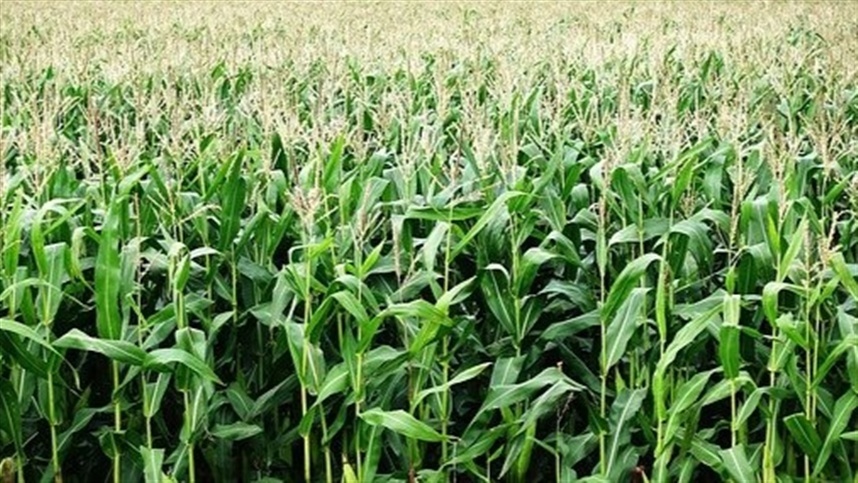
In the case of corn, total production in 2025/26, adding up the three harvests, is estimated at 138.8 million tons, representing a reduction of 1.61 TP4T compared to the previous cycle. In the first harvest, the cultivated area should grow by 7.11 TP4T, with production projected at 25.9 million tons. Planting of the first cycle of the cereal has already reached 47.71 TP4T of the area, a rate slightly higher than the average of the last 5 years. The low temperatures that occurred during certain periods in Santa Catarina and Rio Grande do Sul delayed the emergence and initial development of the crop, but without yet interfering with the productive potential. In addition, some crops suffered negative impacts due to the intense rainfall, strong winds and hail that occurred in early November in Paraná, after the field surveys were carried out. The possible impacts resulting from these meteorological events are still being evaluated by Conab.

Photo: Gilson Abreu
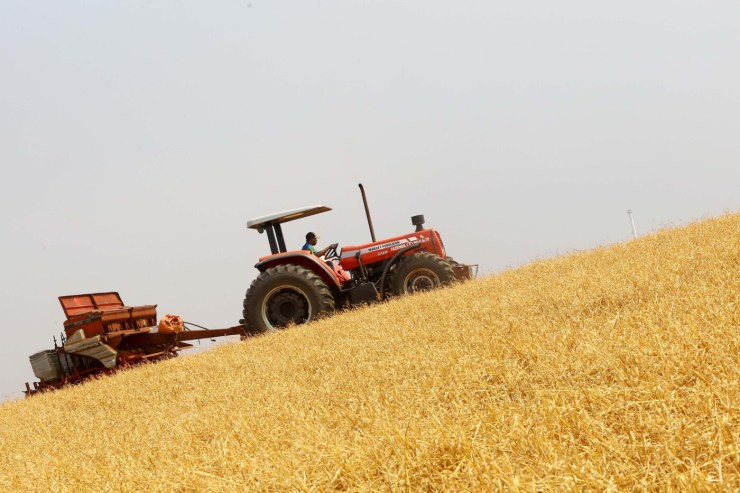
Among winter crops, the 2025 harvest is still underway. Wheat production, the main winter crop, is estimated at 7.7 million tons. Generally, in the main producing regions, climatic conditions were favorable for crop development. However, reduced investment in inputs, especially fertilizers and pesticides, made crops more susceptible to disease and limited the full realization of their productive potential, resulting in smaller ears with fewer grains. It is worth noting that in Paraná, the intense rains recorded in early November may influence the crops that are still in the field.
Market
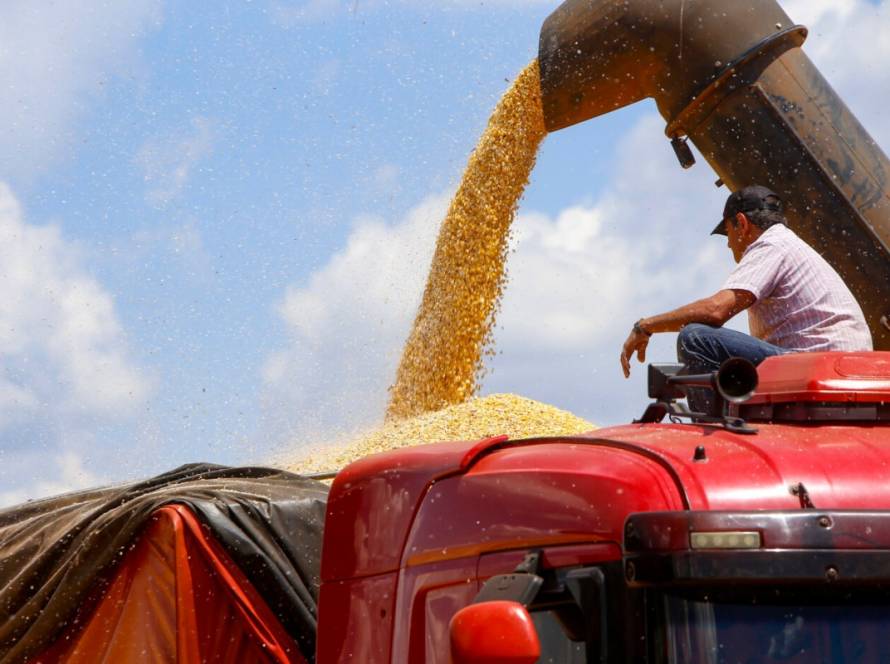
In this survey, Conab forecasts that approximately 94.6 million tons of corn will be consumed domestically in the 2025/26 crop year, representing an increase of 4.51 TP4T compared to the previous cycle, driven mainly by higher demand for the cereal for ethanol production. Exports are also expected to increase and could reach 46.5 million tons, supported by the maintenance of a good production surplus. Even with these increases, the outlook is that carryover stocks at the end of the 2025/26 crop year will remain relatively stable.

Photo: Gilson Abreu
Regarding soybeans, with the projected reduction in US exports, increased global demand, and the expectation of higher Brazilian production, significant growth in the country's exports is estimated, potentially reaching 112.1 million tons in the 2025/26 season, an increase of 5.11% compared to the previous harvest. Furthermore, the expected increase in the mandatory blending of biodiesel with diesel, coupled with the growing demand for vegetable protein, suggests that the volume of soybeans destined for crushing could reach 59.37 million tons in 2026. This volume represents an increase of 1.37% compared to the previous year.
Click here and access the files with information from the 2nd Grain Crop Survey 2025/26, including an overview of the main grains sown in the country.