EN
EN  PT_BR
PT_BR 
The soybean market entered November under the influence of a combination of internal and external factors that have generated price fluctuations and uncertainty regarding the behavior of global demand. In Santa Catarina, according to... Agricultural Bulletin Prepared by Epagri/Cepa, the average monthly price paid to producers in October registered a slight decrease of 0.6%, closing the month at R$ 124.19 per sack.
Already in early November, up to the 10th, there are indications of recovery: the state average rose to R$ 125.62/sc, a movement mainly influenced by the behavior of Brazilian exports and news coming from the international market.

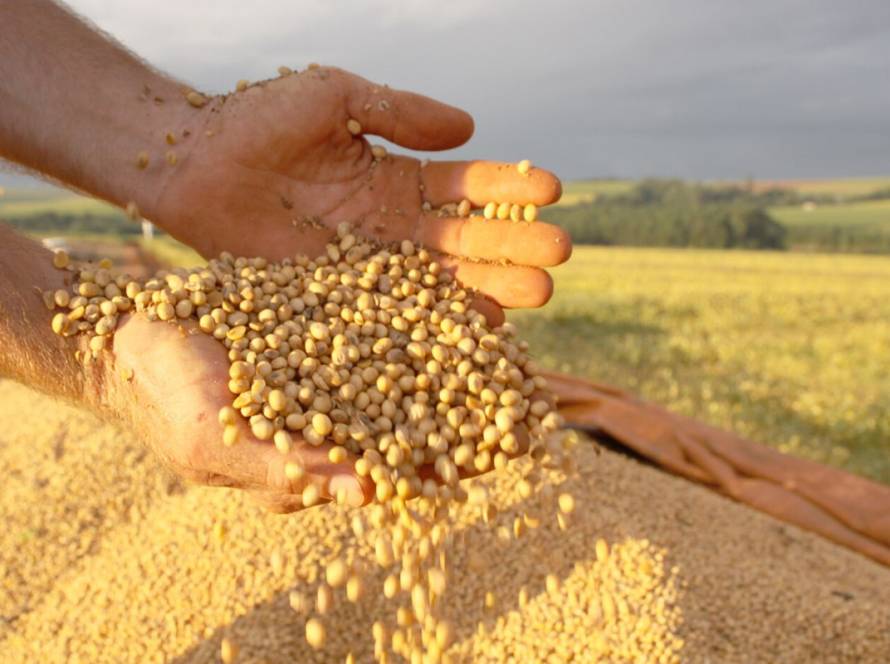
Photo: Claudio Neves
The increase in Brazilian shipments in October, 6.7 million tons, with an accumulated volume exceeding 100 million tons in 2025, helped to stabilize domestic prices. At the same time, the announcement of the resumption of soybean imports from the United States by China and the progress in the trade agreement between the two countries boosted futures contracts in Chicago (CBOT), with immediate repercussions on prices in Brazil.
The analysis comes from agricultural engineer Haroldo Tavares Elias, from Epagri/Cepa, who classifies the current moment as having a mixed bias, with the market reacting alternately to news of stimulus and pressure.
Factors that influence the market
According to the report, bearish factors predominate in the short term, driven mainly by the slow pace of domestic negotiations in Brazil, the progress of planting the new crop, and the indication of a China-US agreement. This movement puts pressure on the Brazilian market, while strengthening the American market and supporting prices in Chicago.
1. International market
Data from USDA, CBOT, Esalq-Cepea, Investing.com, and Bloomberg, compiled by Epagri/Cepa, indicate:

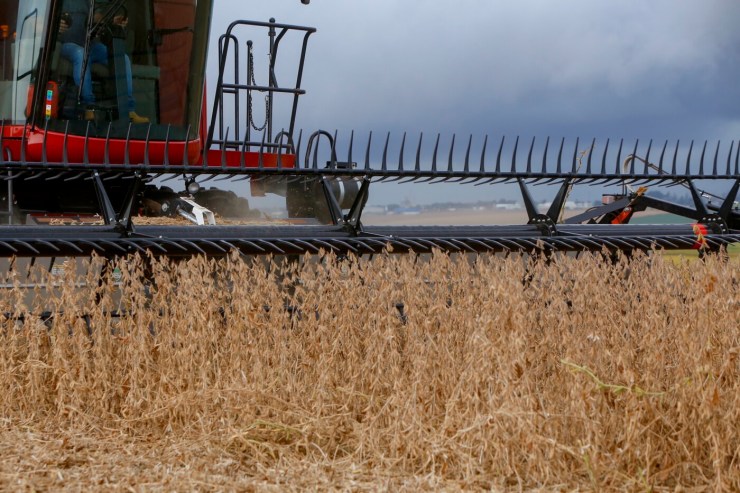
Photo: Claudio Neves
Factors contributing to the increase:
- Record imports by China in October, 9.48 million tons, mostly from Latin America;
- CBOT recovers for four consecutive weeks.
Factors contributing to the decline:
- Lack of confirmation from China regarding the purchase of 12 million tons from the US;
- Resumption of Chinese imports of American soybeans, reducing the market share for Brazilian soybeans;
- Slower internal negotiations in Brazil, the lowest pace in four years;
- Technical correction of stochastic oscillators and profit-taking after a series of gains in Chicago.
2. Supply and the domestic market
Factors contributing to the increase:
- Brazilian exports maintain a strong pace;
- Structuring the Chinese presence in Brazil, with expansion of operations, including a new office in Mato Grosso.
Factors contributing to the decline:
- Pressure on domestic prices, with a drop of 1.4% in October.
3. Harvest and climate
Factors contributing to the decline:
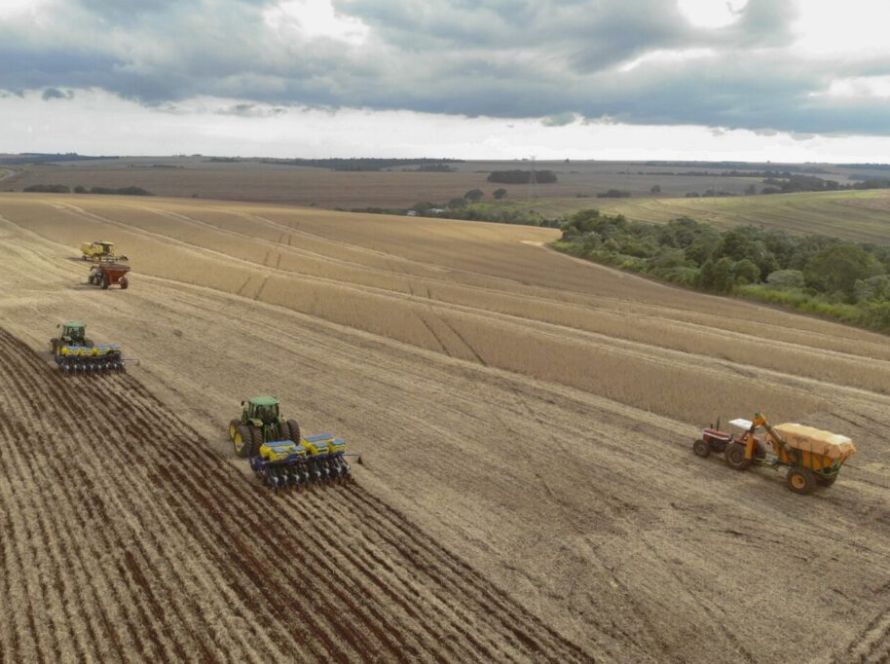
- Planting is well advanced, with 47% of the crop already planted, reinforcing expectations of a record harvest between 177 and 180 million tons in the region.

Photo: Claudio Neves
2025/26 cycle;
- Producers in the US resumed selling after recent price increases, boosting global supply in the short term.

China-US agreement
Although the market reacted to statements from the United States government regarding a new agreement with China involving the purchase of soybeans, there was no confirmation from the Chinese as of November 12th, Epagri/Cepa points out. If confirmed, the pact could redirect part of China's demand to American soybeans, reducing the volume destined for Brazil.
However, the proximity of the arrival of the new Brazilian harvest—combined with the calendar already advanced to November—makes the formalization of the agreement this year unlikely. Therefore, according to the analysis, the trend is that China will continue to prioritize Brazilian soybeans in the coming weeks.