EN
EN  PT_BR
PT_BR 

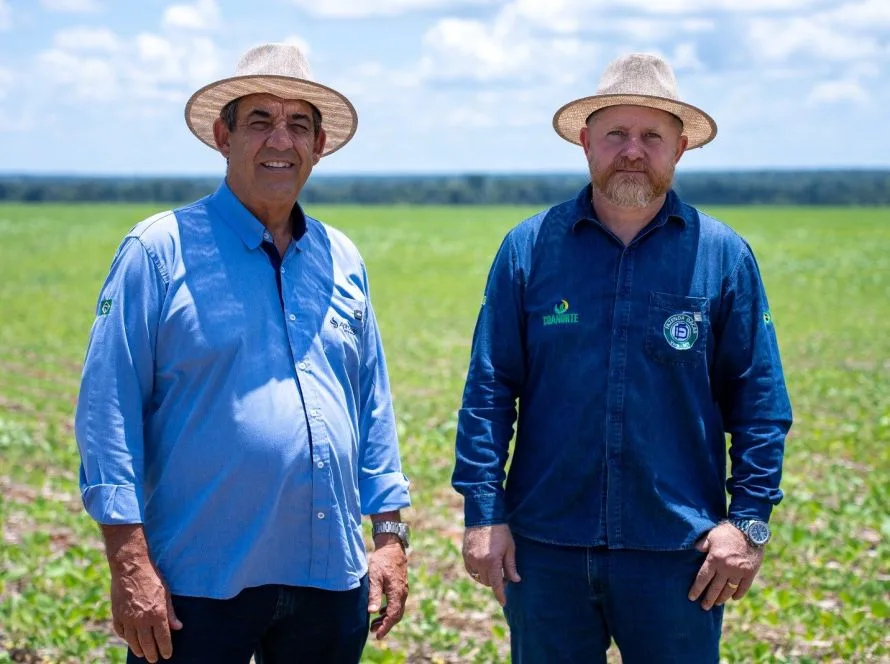
Soybean planting in Goiás for the 2025/26 crop season is behind schedule compared to last year, with an average difference of about two weeks, according to information from the Institute for the Strengthening of Agriculture in Goiás (IFAG). According to technical analyst Vilmar Eurípedes da Silva Júnior, the situation varies across the state's regions, but the delay is widespread and is mainly caused by irregular rainfall at the beginning of the season.
“The Southwest regions, such as Mineiros, Rio Verde, and Jataí, have practically finished planting. The South, West, and East regions have between 68% and 70% planted, potentially reaching 75% this week. The North, however, is progressing slowly, with approximately 40% of the area sown,” explains the analyst.
According to him, the situation in northern Goiás is within expectations, as it is a region that traditionally carries out management later due to lower water availability. However, this year, the irregularity of rainfall has worsened the situation.
“There are cases of differences in rainfall volume within just a few kilometers, which has prevented the sowing from progressing. Some producers who risked early planting had to replant due to irregular germination and lack of rain,” reports Vilmar.
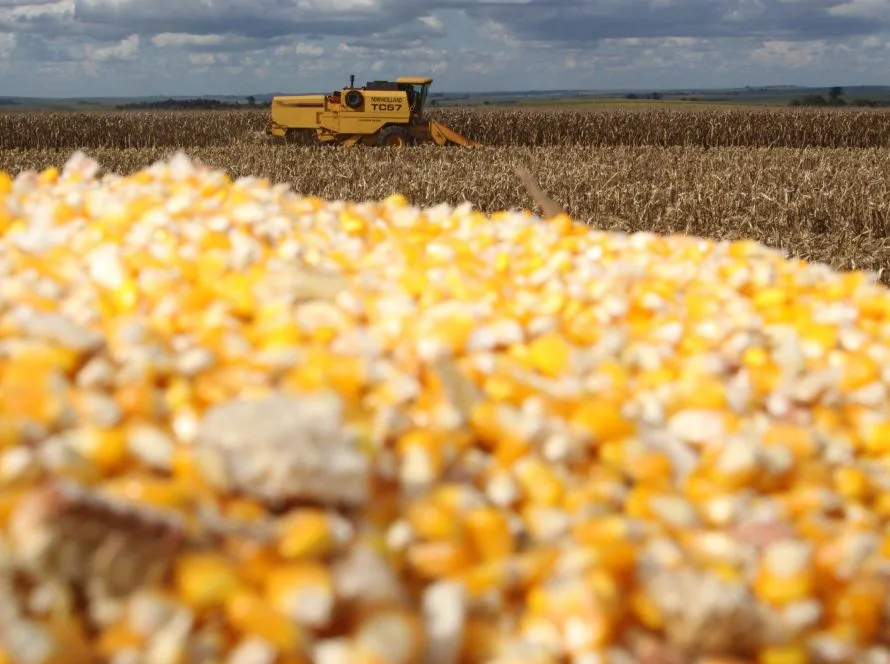
This delay in soybean planting compromises the ideal window for second-crop corn, especially in areas sown after November. On farms that advanced significantly in that month, the next crop may be compromised, since the ideal planting time is until February 20th.
“We will still have good production in the Southwest region, but the state total should fall compared to last season. Given this limitation, there should be a change in the profile of the second crop, with a greater presence of crops such as sorghum and sunflower, which are less dependent on rainfall,” assesses the analyst.
In addition to the climate challenges, producers in Goiás are facing financial difficulties. Rural credit is more restricted and expensive, and many started the new season already in debt. Production costs have also risen, and the guarantees required by banks have become more stringent.
“Many producers had to offer fiduciary alienation to obtain financing and need to be cautious with the use of inputs that could further increase production costs, such as replanting,” Vilmar points out.
Therefore, the decision regarding replanting or crop rotation will depend on each producer's specific circumstances. "There are cases where the producer even considers switching to corn, but cannot because they already have obligations regarding soybeans. Ideally, from December 15th onwards, the focus should return to corn, taking advantage of the most productive window and ensuring better profitability. In practice, the producer depends on other variables and often needs to follow the previous plan," concludes the analyst.