EN
EN  PT_BR
PT_BR 
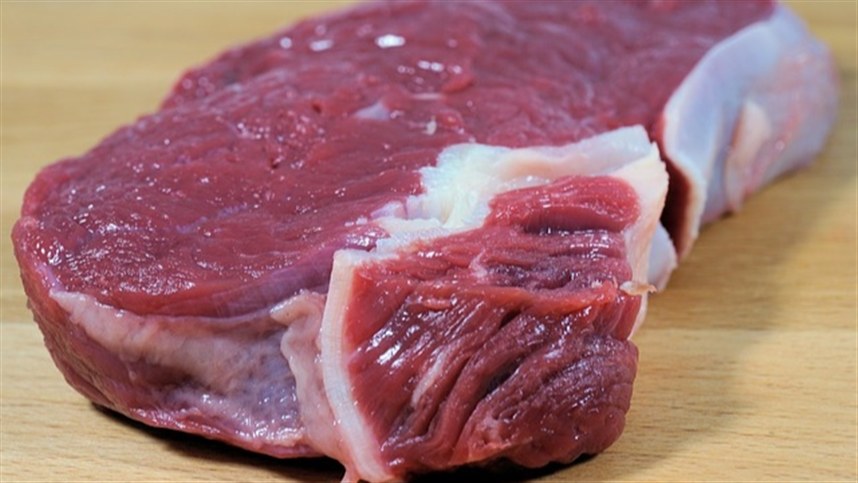
The shipment of 108 tons of beef with complete individual traceability, carried out by Pará in 2025, was not just an unprecedented commercial operation. It was a calculated move in agricultural policy, repositioning the state on the global meat market and responding, with data and technology, to growing pressures for environmental, sanitary, and productive transparency.

Photo: Bruno Cecim/Agência Pará
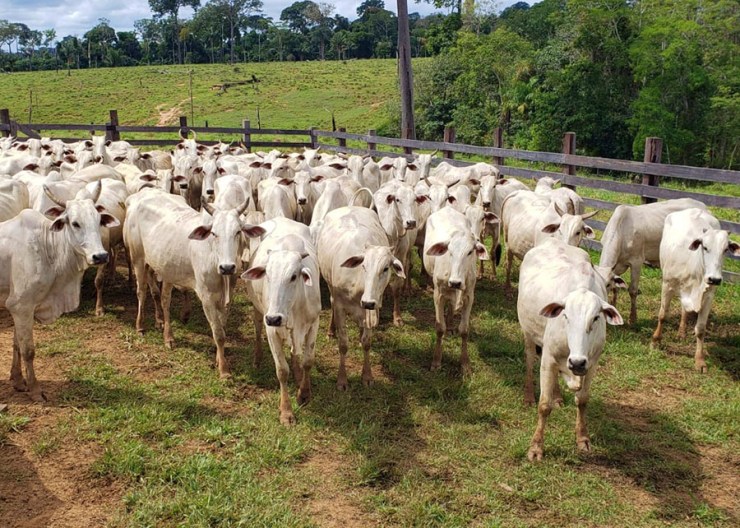
More than 350 Nelore cattle, individually identified throughout their productive lives, gave rise to the first batch of Brazilian beef with full traceability recognized by international markets. The destination was Asia, but the message was directed to all major global buyers: Pará wants to compete in the premium beef segment, where quality and value go hand in hand.
The operation marks the launch of the Pará State Individual Bovine Traceability System (SRBIPA), a platform that connects animal identification, official sanitary databases, and environmental verification. In practice, each animal will have an auditable history from birth, allowing verification not only of health and productive performance, but also of the origin's compliance with increasingly stringent environmental criteria.
For a state that concentrates around 26 million head of cattle, the decision has both economic and symbolic weight. Individual traceability emerges as an instrument to reduce trade barriers, anticipate regulatory requirements, and expand access to markets that better reward products with proven origin, such as the European Union, the United States, and China.
The first shipment already signaled the model's potential. The certified animals showed an average weight gain of 592 kilos, totaling more

Photo: Bruno Cecim/Agência Pará
7,200 arrobas (approximately 2,400 kg) of meat were precisely tracked. This performance reinforced the interest of the local meatpacking industry, which began evaluating new investments to expand the supply of meat suitable for higher value-added contracts.
More than just serving foreign buyers, SRBIPA was designed as a long-term structural policy. The state government established, by decree, the goal of achieving 100% of the traceable herd by 2030. If the schedule is met, Pará will become the first state in the Legal Amazon to individually control all bovine production — a competitive advantage in an international scenario where the origin of meat has become a central theme of trade negotiations and climate debates.
The strategy also targets within the farm gate. Small and medium-sized producers, who account for more than 701% of the state's rural properties, will now have access to opportunities previously restricted to large operations. Individual certification opens doors to public procurement programs, cooperatives with higher added value, and credit lines that require sanitary and environmental compliance.
To facilitate this transition, the Agricultural Defense Agency of the State of Pará (Adepará) has structured a continuous training agenda, focusing on animal handling, identification, and certification processes. The logic is to combine productive inclusion with qualification of the base, increasing income in the countryside and standardizing practices throughout the chain.

Photo: Bruno Cecim/Agência Pará
At the heart of the debate is the relationship between cost, responsibility, and the market. Individual traceability requires investment, changes in routine, and technological adaptation on the part of the producer. Therefore, the Pará state government has insisted that sustainability is only consolidated when it is economically recognized. In a statement summarizing this view, Governor Helder Barbalho emphasized that good practices need to be objectively rewarded. Without this recognition, he argues, there is not enough economic incentive for the producer to bear the additional costs of the system alone.
The challenge, therefore, is not only technical but also commercial. The consolidation of SRBIPA depends on the willingness of markets to transform transparency into price, governance into contracts, and sustainability into a real competitive advantage.
By 2030, the state plan foresees the integration of new meat processing plants, the strengthening of auditing mechanisms, the expansion of technological coverage, and the advancement of skills in the field. The goal is clear: to make traceability not an externally imposed requirement, but a tool for adding value to local livestock farming.
The first fully traceable export serves as a starting point. It demonstrates that the technology is viable, that the productive sector has responded, and that Pará sees traceability as a market lever. In a global context increasingly attentive to the origin of animal protein, the State believes that controlling, proving, and communicating how it is produced can be the shortest path to growth, attracting investment, and leading a new agenda for Brazilian meat.