EN
EN  PT_BR
PT_BR 
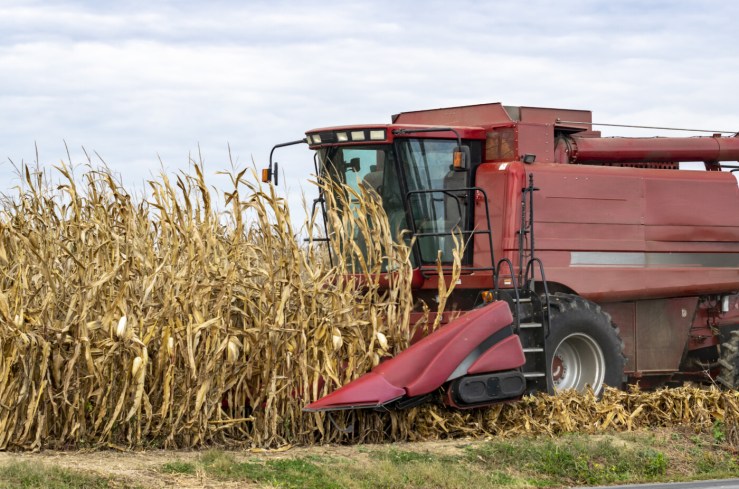
The harvest of the 2025/26 summer crop in Paraná reaches 14% of the soybean area and 10% of the corn area, advancing under a scenario of strong thermal contrast and instability. According to the analysis of the Department of Rural Economy (Deral), based on meteorological data from the Paraná Environmental Technology and Monitoring System (Simepar), the week began with intense heat above 30°C in the West and Northwest, followed by severe storms that crossed the State at the end of last week, mainly on Thursday (29). This climatic pattern puts soybean crops on alert, since 59% of the crop is in the flowering and fruiting phase, periods of maximum water demand where thermal stress can compromise final productivity. Access the complete data at this link.

Photo: Giuliano De Luca/O Presente Rural
Although the first corn crop is showing robust results, with yields exceeding historical averages, irregular rainfall is already impacting the planning of the second crop. Planting of the second corn crop has reached 12% and bean planting 28%, but the pace of planting is limited by the scarcity of soil moisture in several regions. According to technical monitoring, the continuation of the regional drought scenario, coupled with occasional delays in the soybean harvest, is the main challenge for establishing new crops in the short term.
In the fruit and vegetable sector, the impact of climate and the market demands adaptation strategies. While the onion harvest has been completed, producers are opting for storage to cope with low market prices. Meanwhile, open-field vegetables are showing signs of water stress, requiring increased attention to irrigation due to the combination of high temperatures and below-average rainfall. In the Southern region, the apple harvest shows high productivity, but the sector reports operational difficulties due to a shortage of skilled labor for the harvest period.
Finally, livestock farming in Paraná finds support in the good green mass index of pastures, favoring cattle management. However, Deral warns of the water deficit in areas of northern and southern Paraná, which could interrupt pasture recovery if the drought continues.