EN
EN  PT_BR
PT_BR 
The safeguard adopted by China to protect its domestic production is undoubtedly a legitimate and even exemplary measure. It is a sovereign decision that demonstrates concern for domestic producers, something we should also practice with equal rigor. The point that requires attention, however, is not the existence of the safeguard itself, but the conditions and adaptations necessary for its implementation.
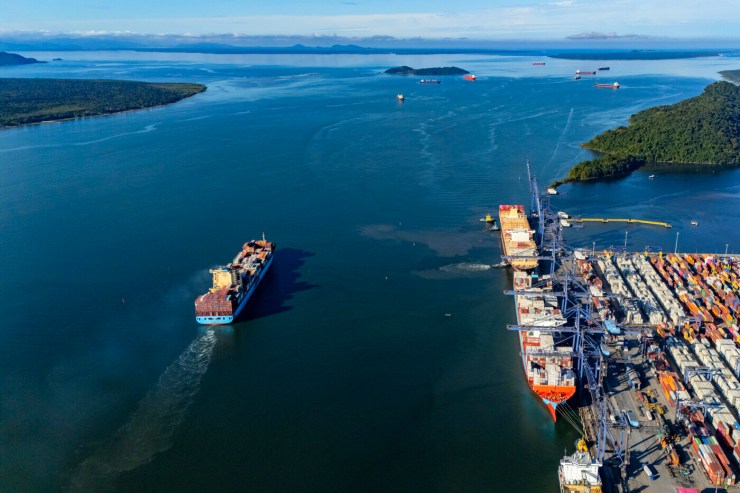
In the specific case of Brazilian red meat, it is essential to consider the unique dynamics of this trade. The relationship between production, shipment, and delivery operates at a fast pace and with pre-established contracts. The average cycle between production and the arrival of the product at its destination is around 75 days, which means that any abrupt change in the rules impacts volumes already committed and in transit.

Article written by Paulo Bellicanta, president of the Union of Meat Processing Industries of the State of Mato Grosso (Sindifrigo).
At the time the measure was implemented, the volume traded was around 170,000 tons per month, which represents approximately 7,700 tons per day. Projected over a 75-day period, this results in about 500,000 tons in transit, even disregarding any interruptions due to holidays. Given the current quota, the difference reaches almost 50% of the intended total, creating a clear mismatch between supply and the authorized limit.
This scenario could lead, in less than six months, to the absence of Brazilian products in the Chinese market. Therefore, Brazil's request that only shipments actually made this year be considered in the 2026 quota is not merely a sectoral demand, but a vital measure for the survival of the Brazilian productive sector and for the balance of supply, without harming Chinese producers, which is precisely the central objective of the safeguard.
The numbers are clear. On December 30, 2025, there were approximately 350,000 tons between Chinese ports and cargo in transit. Add to that 120,000 tons exported in January and a forecast of 100,000 tons for February. By the end of this period, the total delivered could reach 570,000 tons. This would leave only 530,000 tons for the following ten months of 2026, equivalent to 53,000 tons per month, compared to the 170,000 tons delivered in December.
This is not a theoretical analysis or speculative projections, but an objective reading of figures that already indicate a risk of shortages in the Chinese market and a serious impact on the Brazilian production chain. It is essential that Brazilian diplomacy bring this concrete reality to the table in bilateral relations, demonstrating that technical adjustments are necessary to preserve the predictability and stability of trade.
China is, undeniably, our great and loyal trading partner. What is needed now is the ability to calmly and with data present the legitimate concerns of a sector that is strategic for both economies.