EN
EN  PT_BR
PT_BR 
The weather conditions recorded between February 1st and 24th indicate a predominance of rain in much of the country, favoring the development of first and second crop harvests. The information is contained in the February edition of the Agricultural Monitoring Bulletin, published on the Conab Portal on Thursday (26). The publication by the National Supply Company (Conab) points to higher accumulations in the North region and in the area between Amazonas, the Central-West and the Southeast.
According to the study, there was also rainfall, albeit less significant, in Matopiba and in areas of the semi-arid region of Northeast Brazil, benefiting sowing and crop development, while in the South the volumes were lower and restricted soybean development in Rio Grande do Sul, where most areas were in the flowering and grain-filling stages.

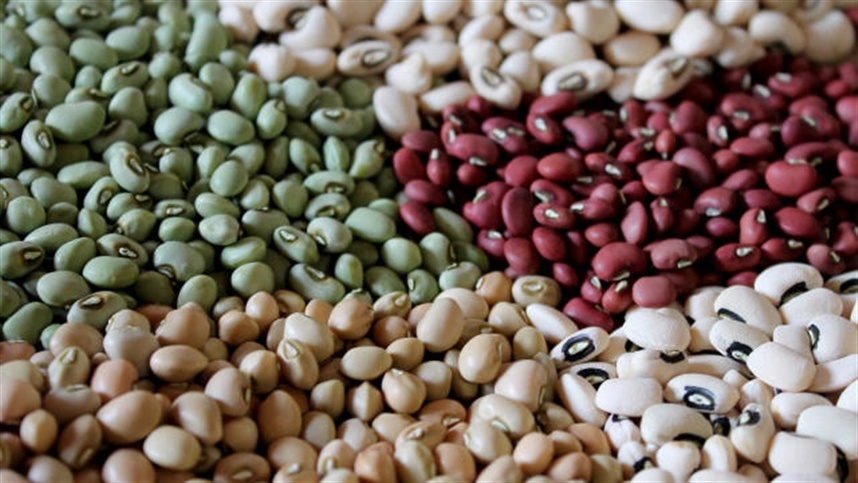
Photo: Gilson Abreu/AEN
Spectral data indicate favorable conditions for the development of first and second crop seasons in almost all monitored regions. The vegetation index evolved above the historical average during critical periods of soybean development. More significant differences are observed in southwestern Mato Grosso do Sul, western Santa Catarina, and northwestern Rio Grande do Sul, due to the impact of water scarcity in past seasons. In Rio Grande do Sul, this difference has decreased, and the current crop index is now close to that of past seasons, which had reduced yield potential.
Rainfall distribution influenced the pace of second-crop corn planting. In Mato Grosso, planting progressed significantly, coinciding with the soybean harvest. In Paraná, planting is delayed and, in some regions, has not progressed due to low soil moisture. In Mato Grosso do Sul, the return of rains favored planting progress, and the already sown areas show good development. In Goiás and Minas Gerais, excessive rainfall has delayed planting, shortening the ideal planting window. In Tocantins, planting accelerated, and the emerged areas show good conditions.

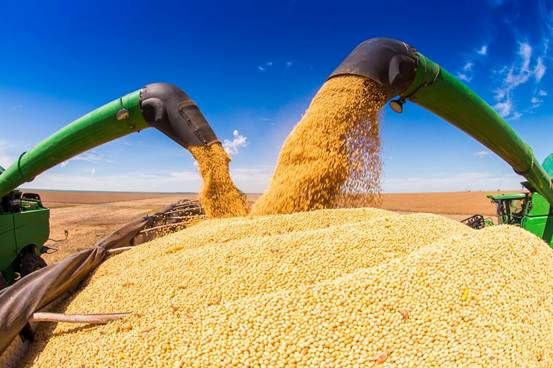
Photo: Faep System
In the case of soybeans, the harvest maintained consistent progress in states like Mato Grosso. In Rio Grande do Sul, rainfall was irregular, with low volumes and uneven distribution, a situation that has already caused a reduction in estimated yields in much of the state. In parts of the Central-West and Southeast regions, regular and intense rains contributed to maintaining water storage in the soil, although they impacted the harvest in some areas.
The complete bulletin, with maps, graphs, and detailed analyses on climate behavior and crop development in the country's main producing regions, is available at [link to bulletin]. Conab Portal.