EN
EN  PT_BR
PT_BR 
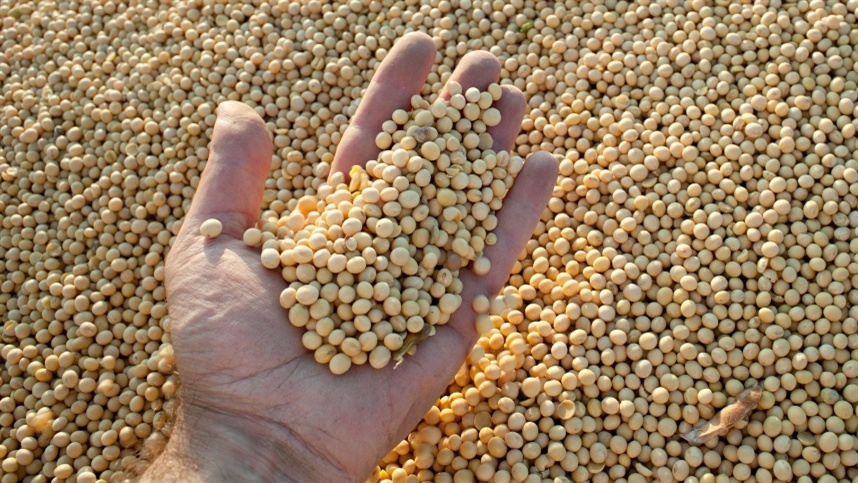
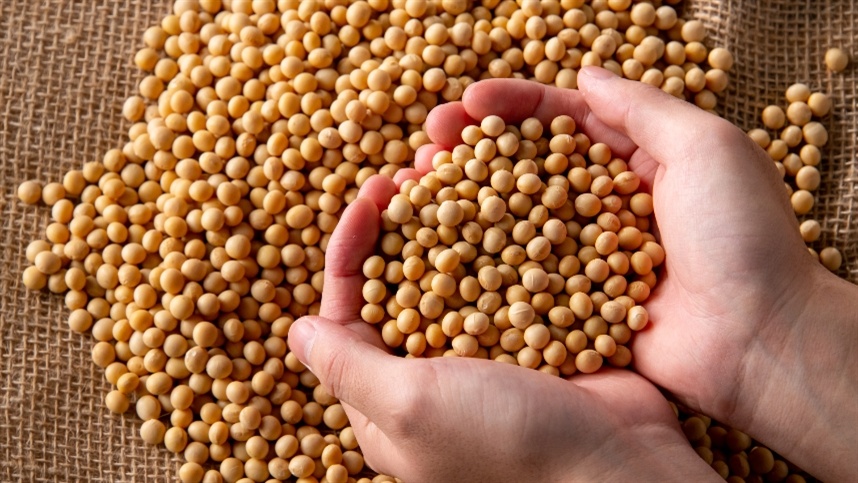
The Government of Paraná, through the Secretariat of Innovation and Artificial Intelligence (Seia) and the Araucária Foundation, signed this Friday (06) a letter of intent with the Brazilian Agricultural Research Corporation (Embrapa) to develop a research, development and innovation program focused on the soybean production chain.
This initiative is part of the State Government's efforts to expand innovation in Paraná's agribusiness and strengthen the connection between research centers, universities, and the productive sector. The investment will be R$1,150,500 from the State, through the Araucária Foundation, to boost technological solutions related to the bioeconomy, energy transition, and adding value to agribusiness.
The signing took place during the opening of Embrapa Soja's Summer Field Day in Londrina, in the northern part of the state. The partnership seeks to strengthen the integration between scientific research, technological development, and public policies focused on sustainable agribusiness. The agreement establishes guidelines for structuring an innovation program aimed at expanding the technological potential of soybeans, one of the main agricultural commodities in Paraná and Brazil.
 “This partnership with Embrapa places Paraná at the forefront of the global bioeconomy. The investment is not just in research, but a leap in competitiveness for our producers. We want to transform Paraná's soybeans into high-value technology, combining sustainability, intelligence, and new markets,” says the Secretary of Innovation and Artificial Intelligence, Alex Canziani.
According to Alexandre Nepomuceno, head of Embrapa Soja, the initiative seeks to expand the possibilities for using soybeans and increase the added value of production. “Soybeans represent one of the pillars of the Brazilian and Paraná economies, and therefore we need to advance towards a new generation of products, processes, and industrial applications based on biological principles. It is essential to strengthen the sector's competitiveness, promote value aggregation, stimulate the bioeconomy, and contribute to the energy transition and decarbonization,” he emphasizes.
The research program will be structured around four main axes. The first involves the development of soybean cultivars with differentiated protein and oil profiles. The second addresses the creation of varieties with specific amino acid profiles, aiming for greater efficiency in feed conversion, animal weight gain, and reduced costs in meat production.
The third axis focuses on the development of advanced biofuels, with soybean cultivars that have a more suitable fatty acid profile for energy production. The fourth axis seeks to expand the industrial uses of soybean oil, including applications such as lubricants, asphalt, and vulcanized materials used in the manufacture of products such as shoes and machine belts.
According to Cristianne Cordeiro, advisor for institutional relations and innovation at the Araucária Foundation, the investment will structure an integrated program focused on technological innovation in the production chain. "The objective is to support research that advances the development of cultivars with specific characteristics, improves efficiency in animal nutrition, provides solutions for advanced biofuels, and explores new industrial uses for soybean oil," she explained.