EN
EN  PT_BR
PT_BR 
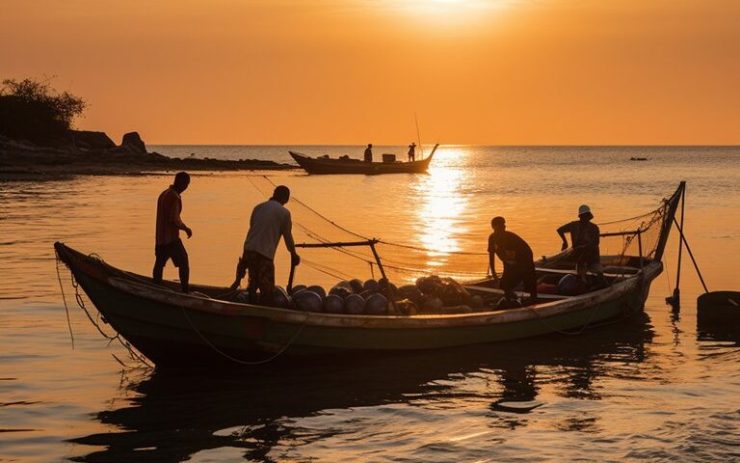
Pará continues to strengthen its position in Brazilian fish farming, combining tradition and growth in the activity in different regions of the state. Part of this progress originates from the use of native species, which represent approximately 96% of the sector, with tambaqui, pirapitinga, and matrinxã being particularly noteworthy.
According to data from the Brazilian Aquaculture Yearbook PeixeBR 2026, the state reached 25,950 tons of native fish in 2025, a result 2.2% higher than that recorded in the previous year. This production reinforces the relevance of the activity to the local economy.
Fish farming in Pará also benefits from the availability of water, a factor that favors both production systems and regional cuisine, where fish is a constant presence. This scenario contributes to the maintenance of tradition and the advancement of the production chain.
Among the municipalities, Marabá leads in excavated area production, with 554 hectares, followed by Conceição do Araguaia (336 ha) and Parauapebas (271 ha). Paragominas and Itupiranga also appear among the main production centers.
In the production of fish in net cages, Tucuruí holds the first position with 145 units, while Altamira comes next with 114.
Tilapia accounts for approximately 900 tons of the state's production, while native fish largely dominate the sector, with 25,000 tons. Other species total approximately 80 tons.
The performance confirms the expansion of fish farming in the state, driven by favorable natural conditions and the consolidation of production centers in different regions.