EN
EN  PT_BR
PT_BR 
The terms of trade for corn producers enter 2026 in a more favorable condition than those observed throughout 2025. After a year marked by strong pressure from fertilizers on crop costs, the first months of 2026 show a significant decline in MAP, KCl, and urea measured in sacks per ton, while corn prices recover in international and domestic markets. The data comes from Itaú BBA's Agro Consulting.

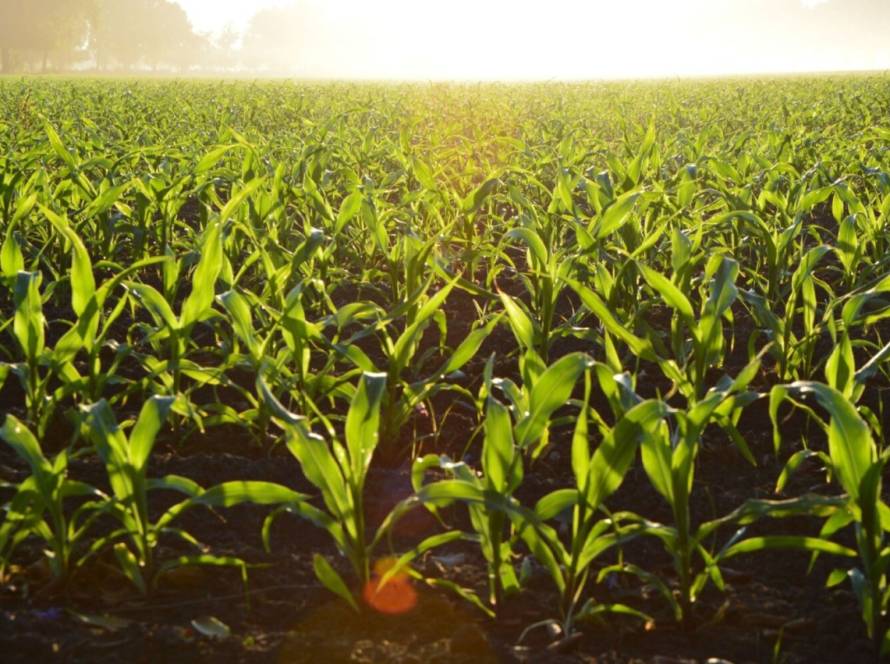
Photo: Disclosure/Pixabay
In 2025, the MAP (Minimum Agricultural Production) reached a demand of more than 70 sacks of corn per ton at various times of the year, a level well above the historical average. At the beginning of 2026, this indicator falls to the range of 50 to 55 sacks, returning to levels closer to the historical range and reducing the pressure on base fertilization.
KCl shows a similar trend. Throughout 2025, the cost exceeded 35 sacks per ton. Now, it operates between 25 and 30 sacks, restoring purchasing power to the producer for a nutrient with significant weight in cereal fertilization.
Urea, essential for nitrogen supplementation, was another critical point last year, when demand increased significantly.

Photo: Press release/SAA-SP
From 50 sacks per ton. At the beginning of 2026, the cost drops to around 30 to 35 sacks, a significant change for the nutritional management of high-yield corn.
On the revenue side, corn is showing a reaction. Contracts on the Chicago Board of Trade are trading again near US$ 4.50 to US$ 5.00 per bushel after the weakest period in 2025. In Brazil, futures contracts on the B3 and physical prices in Smile They also recorded a recovery in reais per sack, even with the stabilization of the exchange rate.
The practical difference is straightforward: at the beginning of 2026, the producer needs less corn to buy the same amount of MAP, KCl, and urea as they needed throughout 2025.
The improved terms of trade occur precisely during crop planning and alter the calculation of farming costs, according to an analysis by Itaú BBA's Agro Consulting firm.