EN
EN  PT_BR
PT_BR 
Sustainability, innovation, and hands-on learning in the field go hand in hand in the Paraná state education network. At the Assis Brasil State Center for Professional Education (Ceep) in Clevelândia, in the southwest of the state, an innovative project that combines beekeeping with soybean cultivation has demonstrated how the presence of bees can contribute to increased agricultural productivity. The initiative is carried out in partnership with the National Rural Learning Service (Senar).
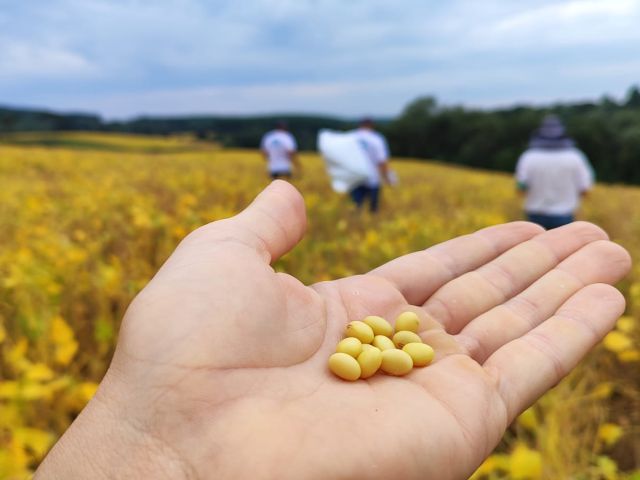
The project helps to dispel the idea that soybean cultivation harms bees. At the school, students followed all stages of the production process and observed, in practice, the benefits of pollination for the crop.
 During the activities, students are exposed to technologies currently used in the field, such as agricultural GPS, high-precision spraying, application of microorganisms in the planting furrow, and spraying drones—tools that increase productive efficiency and reduce crop losses.
According to student José Augusto Kossler, 17, the project broadened his vision of modern and sustainable agriculture. “It was a very important experience because it showed us in practice that it’s possible to produce with quality and, at the same time, preserve the environment. Participating in the project made me realize how technology is increasingly contributing to the field, assisting in management, improving productivity, and making production more sustainable,” he stated.
For student Gustavo Paholski Prestes, 18, the initiative also brought technical learning and environmental awareness. “It’s a very enriching experience, as it shows that it’s possible to produce efficiently while preserving the environment, using sustainable practices and technological innovation. The project added a lot of practical knowledge, a better understanding of agricultural technologies, and greater preparedness to work in the job market,” he highlighted.
“Technical education needs to be connected to new technologies and sustainable practices that are already part of modern agribusiness. Projects like this show how students in the state school system are prepared to innovate, produce knowledge, and contribute to the development of Paraná,” says the Secretary of State for Education, Roni Miranda.
Training and awareness
According to the assistant director of Ceep Assis Brasil, Raphael Stedille Pontes, the proposal strengthens student training and broadens environmental awareness. “The project allows students to understand, in practice, the importance of bees for food production and environmental balance. It is an experience that combines innovation, sustainability, and quality professional training,” he said.
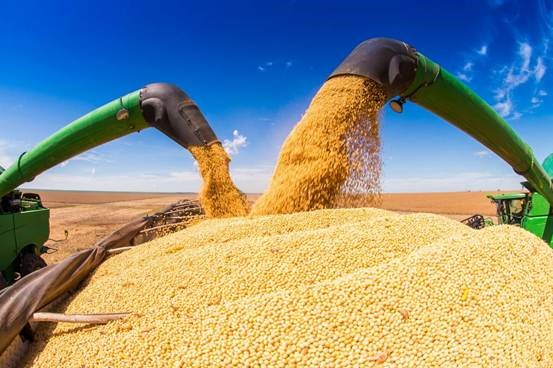
The institution's performance and productivity secured the school's participation in national agricultural soybean production tournaments, such as Cesb Brasil. Ceep Assis Brasil and the School Cooperative (Coopeab) also ranked among the top fifteen in the Cooperative Tradition Tournament, achieving an estimated production of 246 sacks per alqueire (a Brazilian unit of land measurement).
In the scientific field, IDR-Paraná monitors field studies in this area. According to Embrapa Soja, the soybean flower contains high-quality nectar, with sugars and other substances that bees need for their development. A soybean plant has 50 or more flowers, depending on the cultivar, soil, and climate. This means more than 12 million flowers per hectare. Beekeepers who place their apiaries near crops harvest up to 50 kg of honey per hive. This is more than double the Brazilian average.
To integrate beekeeping with soybean cultivation, farmers and beekeepers need to follow good agricultural and apicultural practices. They must observe the guidelines of Integrated Pest Management for soybeans and the recommendations of application technology to avoid negative impacts on bees, whether domesticated or wild. Whenever there is an apiary near crops subject to agricultural spraying, a broad communication channel between the activities should be established to avoid risks for both and to guarantee honey production.
Recognition and celebration
The project developed at the school gains even more relevance on World Bee Day, celebrated this Wednesday (20). The date, established by the United Nations (UN), seeks to raise awareness of the fundamental role of pollinators for food security, the preservation of biodiversity and the balance of ecosystems.
Currently, approximately 701% of the world's agricultural crops depend directly on pollination carried out by these insects. Among the main threats to bees are the indiscriminate use of pesticides, habitat loss, and climate change.