EN
EN  PT_BR
PT_BR 
After years of driving record production, exports, and economic growth, rural producers have faced a combination of high interest rates, losses due to weather events, and a contraction in credit, which has increased indebtedness in the agricultural sector and jeopardized the continuity of agricultural activity in different regions of the country.

President of the Parliamentary Agricultural Front (FPA), Deputy Pedro Lupion: "The producer did not become indebted because he wanted to grow too much."
Industry leaders state that the increase in debt is not linked to uncontrolled expansion or speculation, but to attempts to maintain production in the face of rising costs for fertilizers, diesel, and inputs, coupled with declining crop profitability in recent cycles. "The producer didn't go into debt because they wanted to grow too much. They went into debt trying to continue producing," emphasizes the president of the Parliamentary Agricultural Front (FPA), Deputy Pedro Lupion (Republicanos-PR).
Data from the Ministry of Agriculture indicate a slowdown in operations under the 2025/2026 Harvest Plan. Contracts for operating expenses fell by 131%, while investment lines decreased by 20% compared to the previous cycle. Programs aimed at modernizing production, such as Moderfrota and Proirriga, experienced a contraction of approximately 5%,000.
Losses due to weather events worsen the situation in the South.
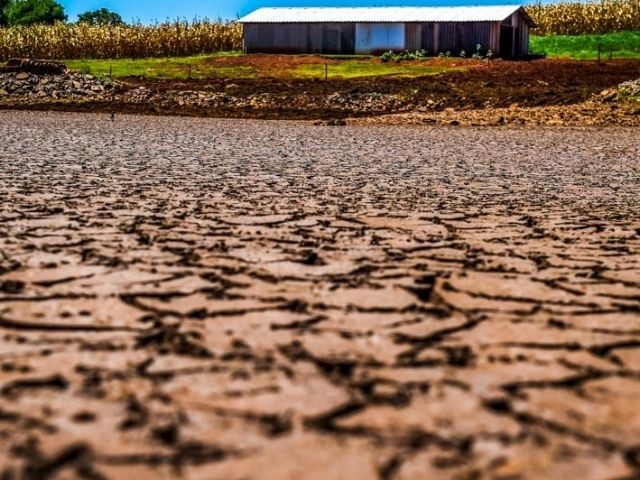
The situation worsened in states affected by extreme weather events. In Rio Grande do Sul, producers have been dealing with successive droughts for years and, in 2024, suffered from historic floods that affected more than 206,000 rural properties, according to the state's Civil Defense.

Photo: Shutterstock
A survey by the Rio Grande do Sul Agriculture Federation (Farsul) estimates that accumulated losses in the state's agricultural sector have exceeded R$100 billion in the last five years. The organization's current president, Domingos Velho Lopes, stated that rural producers in Rio Grande do Sul are facing one of the most difficult periods in recent decades due to a series of extreme weather events and the increased cost of credit. "The world sees us as responsible for food security, as a friendly country capable of producing food and energy," declared Domingos Lopes after assuming the presidency of the organization in 2026.
In municipalities in the interior of Rio Grande do Sul, farmers report selling machinery, renegotiating leases, and having difficulty financing the next harvest. "There are producers who aren't discussing profit. They're trying to figure out how they're going to continue planting," summarizes a leader in the state's agricultural sector.
Mato Grosso faces financial pressure.
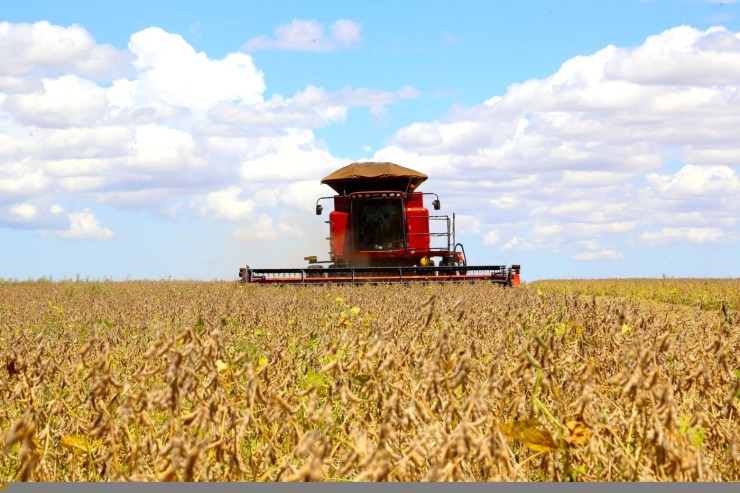
Financial pressure also hit Mato Grosso, the country's main grain producer. With the fall in international prices for soybeans and corn and the increase in financing rates, farmers began to face difficulties in renewing credit operations and securing financing for the next agricultural cycle.

Photo: Disclosure
The president of the Mato Grosso Soybean and Corn Producers Association (Aprosoja-MT), Lucas Costa Beber, stated this year that the combination of high interest rates, decreased productivity, and falling profitability has compromised the ability of a significant portion of the state's producers to pay their debts. "We are not asking for debt forgiveness. Producers want time to continue producing and honor their commitments," said Lucas Beber during a debate on rural credit and indebtedness promoted by the association.
On another front of the discussion about the financial crisis in agriculture, rural producer Regis Porazzi stated that many farmers have begun operating at their financial limit after successive losses in profit margins. "We are unable to pay our bills because our productivity has become very close to our cost of production," he declared.
According to Porazzi, many producers resorted to private credit lines with interest rates exceeding 16% per year due to the contraction of official credit.
Matopiba reduces investments

Photo: Caio Inácio
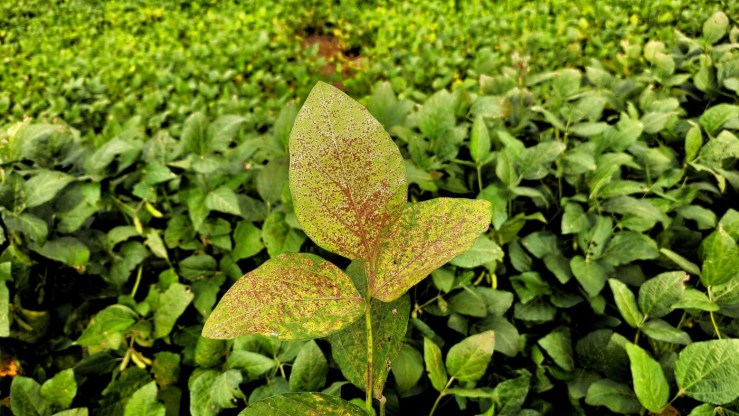
In Matopiba, a region encompassing areas of Maranhão, Tocantins, Piauí, and Bahia, producers report reduced investments and increased pressure from banks following a drop in productivity caused by irregular weather patterns.
Representatives of the agricultural sector describe the current scenario as a 'perfect storm,' resulting from a combination of high interest rates, credit contraction, increased production costs, and successive weather-related losses. "The sector's concern is that the worsening financial situation will lead to a reduction in planted area and less investment capacity in the coming cycles, impacting food production and inflation," emphasizes Lupion.
Congress increases pressure for renegotiation.

Vice-president of the FPA in the Senate, Senator Tereza Cristina
Given this scenario, the Parliamentary Agricultural Front intensified its political lobbying in the National Congress around Bill No. 5,122/2023, which provides mechanisms for renegotiating rural debts using resources from the Social Fund.
The proposal has become a priority for the agricultural caucus in the Federal Senate. The vice-president of the FPA in the Senate, Senator Tereza Cristina (PP-MS), is working to advance the text in the Committee on Economic Affairs (CAE), while agricultural entities are advocating for a broader solution to the financial liabilities accumulated by producers.
In addition to emergency renegotiation, parliamentarians and entities advocate for strengthening rural insurance, expanding guarantee funds, and building a multi-year agricultural policy that provides predictability to the financing of Brazilian agricultural production.