EN
EN  PT_BR
PT_BR 
The Ministry of Agriculture and Livestock (Mapa) concluded an official mission to Honduras last Thursday (4) with results aimed at expanding technical cooperation between the two countries and strengthening trade relations in the agricultural sector. The agenda included discussions on research, technological innovation, rural development and food security, as well as progress on issues of interest to bilateral trade.

Photos: IICA
The Brazilian delegation was led by the executive secretary of the Ministry of Agriculture, Cleber Soares, and included the Brazilian ambassador to Honduras, Andrea Watson, the agricultural attaché Priscila Rech, the chief of staff of the Executive Secretariat, Erika Ferraz, and the representative of the Inter-American Institute for Cooperation on Agriculture (IICA), Cristian Fischer.
One of the mission's main commitments was a meeting with the Honduran Minister of Agriculture and Livestock, Moisés Molina. During the meeting, opportunities for cooperation in areas considered strategic for agricultural development were discussed, such as agricultural planning, technological innovation, genetic improvement, and the sharing of technical knowledge.
The program also included a meeting with representatives from the Dirección de Ciencia y Tecnología Agropecuaria (Dicta), the institution responsible for agricultural research in Honduras. Discussions addressed initiatives for institutional strengthening, professional development, and modernization of innovation systems focused on the agricultural sector.
Among the topics discussed were the expansion of technical exchange in agricultural research, technical assistance, animal and plant health, and strategies for adapting to climate change. In this context, the possibility of collaboration between Brazilian institutions, such as Embrapa and the National Institute of Meteorology (Inmet), in future joint actions was highlighted.
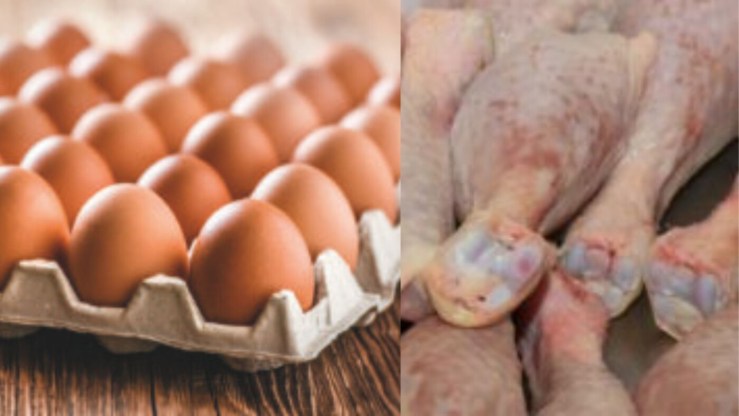
 In the commercial sphere, the mission made progress in negotiations related to products of interest to both markets. The discussions particularly involved animal-derived flours, poultry meat, and pork, segments considered relevant for the expansion of agricultural trade between Brazil and Honduras.
The agenda concluded with a meeting at the Presidential Palace of Honduras, where representatives of both governments reaffirmed their interest in deepening technical and institutional dialogue. Common priorities highlighted included food security, innovation, rural development, and the modernization of agriculture.
With support from IICA in institutional coordination and identifying cooperation opportunities, the mission reinforced Brazil's strategy of expanding partnerships in Central America and promoting initiatives aimed at the sustainable development of agriculture.