EN
EN  PT_BR
PT_BR 
The soybean planting ban period in Mato Grosso began last Monday (June 8th). For 90 days, soybean management is prohibited to prevent the continuation of the Asian soybean rust cycle, with planting authorized from September 7th. Asian soybean rust is caused by a fungus (Phakopsora pachyrhizi) that affects soybean crops, damaging the leaves and hindering the grain filling process. The Mato Grosso Soybean and Corn Producers Association (Aprosoja MT) emphasizes the importance of following the schedule determined by the Ministry of Agriculture and Livestock (Mapa).
The fungus settles on the soybean leaves, causing their destruction and fall. This compromises the plant's photosynthesis process and causes losses during grain filling. Ultimately, the disease prevents proper crop development and results in yield losses.
This ban interrupts the Asian soybean rust cycle and protects farmers from the disease in the next harvest. The vice-coordinator of the Agricultural Defense Commission, Gilson Antunes de Melo, emphasized that following this measure is fundamental to preventing Asian soybean rust from harming future crops and compromising farmers' income.
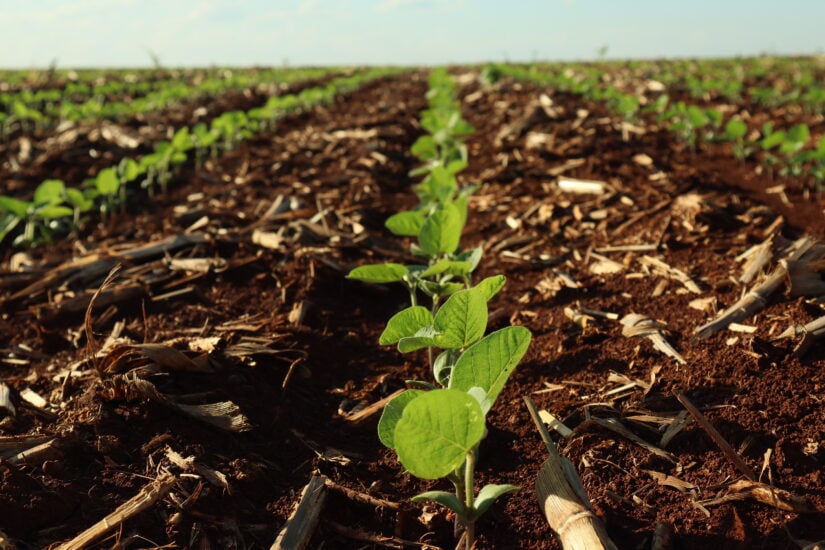
"So, when the new crop is planted, the fungi will be on the other plants and will already begin to cause damage. It is important that the producer does not leave these volunteer plants alive so as not to maintain this cycle, so that it is interrupted and there are no problems with diseases or pests so early in the planting of the new crop," he warned.
In addition to the care required for soybean management, the closed season also establishes measures for the transportation of grains and seeds. Vehicles must be properly sealed to prevent spillage and, consequently, germination on the sides of highways during this period, as Gilson explained.
“The control of transportation is very strict and carried out by the Institute of Agricultural Defense (Indea-MT). Trucks must be properly closed, sealed, with up-to-date documentation, invoices, and without spilling grains on the highways. In addition, Indea conducts inspections and sanitary checkpoints directly on the roads to prevent irregular transportation that could compromise the Sanitary Break period,” he explained.
For almost 20 years, the Sanitary Break has become a fundamental measure to guarantee good production. All this care with the fungus that causes Asian soybean rust occurs because it is considered one of the most severe diseases for soybean cultivation, as explained by researcher Daniela Facco from the Parecis Technological Center (CTECNO Parecis).
"From the moment it appears in the field, if it is not properly controlled, it evolves rapidly, causing premature defoliation of the plants. This reduces grain filling, decreases the crop's productive capacity, reduces crop yield and, consequently, the producer's profitability," he said.
Aprosoja MT reinforces the importance of rural producers following the Sanitary Break regulations and paying attention to the guidelines of agricultural defense agencies. Compliance with the rules is fundamental to protecting crops, preserving the competitiveness of Mato Grosso soybeans, and guaranteeing the security of production in future harvests.