EN
EN  PT_BR
PT_BR 
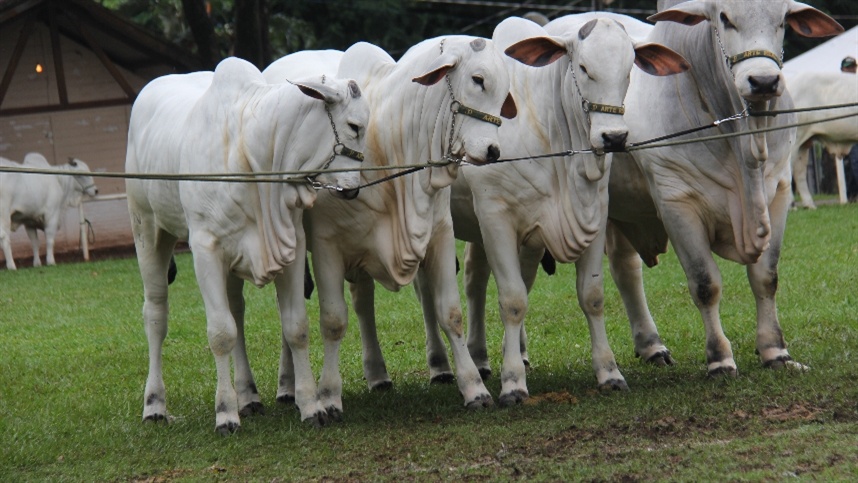
The fat cattle market loosened up this Wednesday (26), with prices falling in São Paulo and Mato Grosso, according to data released by Scot Consultoria in the “Tem Boi na Linha” report. In São Paulo, meatpacking plants reduced purchases due to the slow flow of meat, while in Mato Grosso the higher supply, influenced by the drought, reinforced the downward pressure.
In the daily comparison, the price fell by R$ 1.00/@ for fat cattle, R$ 2.00/@ for "China cattle" and R$ 3.00/@ for heifers in São Paulo. The price of cows remained stable.
Meatpacking plants in São Paulo purchased only what was necessary for immediate slaughter. Slaughter schedules averaged seven days, while meat sales were slow. Sellers resisted the pressure, but deals were closed within market reference prices. There was competition regarding the prevailing price levels.
Small and medium-sized meat processing plants, with a greater need to fill their production schedules, offered prices slightly above the benchmarks. According to data released by Scot Consultoria, these deals were isolated incidents.
In Mato Grosso, downward pressure intensified after the drop in the price of "China-bound cattle" recorded the previous day. On a daily basis, the price of fat cattle fell by R$ 5.00/@ in the North and Southwest regions and by R$ 3.00/@ in Cuiabá and the Southeast.
Among females, the price of heifers fell by R$ 2.00/@ in the North and in Cuiabá, and by R$ 3.00/@ in the Southeast. Cows, on the other hand, saw a drop of R$ 5.00/@ in Cuiabá. In other regions of Mato Grosso, female prices remained stable.
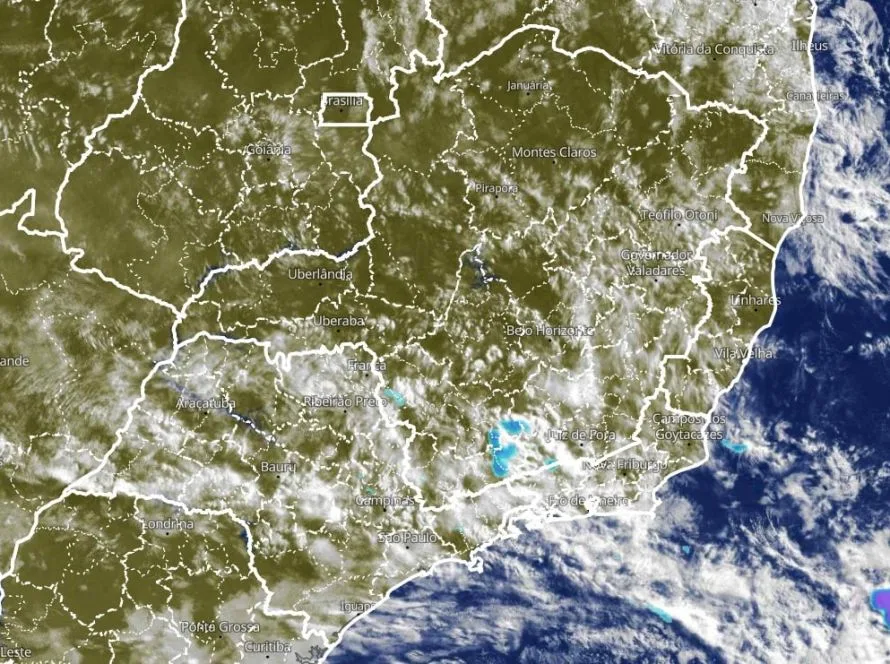
According to data released by Scot Consultoria, the supply of animals was higher in Mato Grosso due to the drought in the state. With the drought conditions, ranchers increased the supply of cattle, expanding the availability of animals for slaughterhouses. At the same time, demand for meat remained weak. The combination of a higher supply of animals and slow meat sales sustained downward pressure on prices. The scenario shows a more pressured market in the two main states analyzed, with slaughterhouses adopting a more cautious purchasing stance and demand limiting the scope for price recovery.