EN
EN  PT_BR
PT_BR 
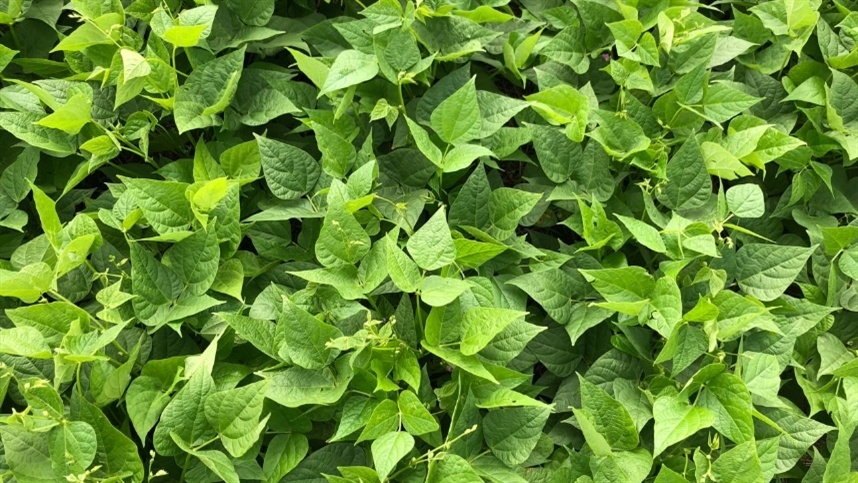
The period between harvests is an important stage for planning the next crop. soyIn addition to allowing for an evaluation of the previous cycle, the interval helps to organize decisions related to crop establishment and management in the early stages.
The fallow period mandates the absence of live soybean plants in the field for at least 90 days. This measure aims to reduce the survival of Asian soybean rust, caused by the fungus Phakopsora pachyrhizi, and to interrupt the so-called "green bridge" between one crop and the next.
Attention to management is gaining importance given the growth of Brazilian production. According to Conab, the volume increased from 130.8 million tons in 2021/2022 to an estimated 180.6 million tons in 2025/2026.
With the end of the fallow period and the approach of sowing, factors such as seed treatment, inoculation, nutrition, and initial development come into play in the planning. BRQ Brasilquímica highlights the importance of root development, nodulation, and biological nitrogen fixation.
“This is a time when information from the previous harvest can be transformed into decisions for the next cycle. This planning includes issues such as seed treatment, inoculation, nutrition, and strategies to favor the initial establishment of soybeans,” explains Bruno Neves, technical manager at BRQ Brasilquímica.
Among the technologies aimed at this phase is AminoSpeed Leg, formulated with L-amino acids and nutrients and indicated for use in seed treatment and during the vegetative phase. The goal is to contribute to root development, nodulation, and the efficiency of biological nitrogen fixation.
"A well-planned crop begins before sowing. By the time the soybeans are planted, many of the decisions that will guide their development have already been made," he concludes.