EN
EN  PT_BR
PT_BR 
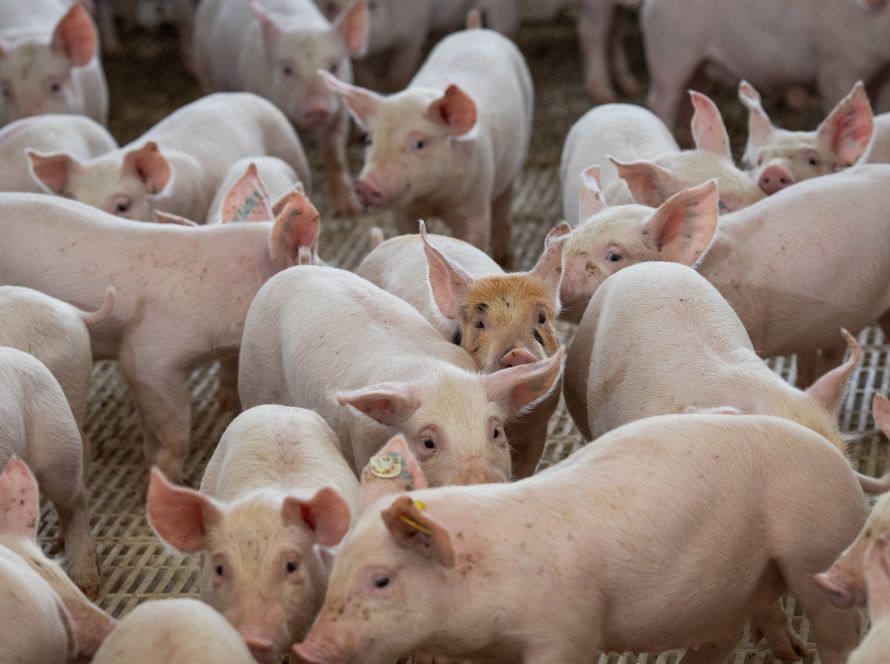
Experts, leaders, students and rural producers meet this Tuesday (2) in Cuiabá at the 2nd Mato Grosso Swine Farming Seminar to discuss the challenges and opportunities of the sector. According to the analyses, the prospects are promising in the long term, but 2026 will require redoubled attention due to climatic, geopolitical and economic factors.
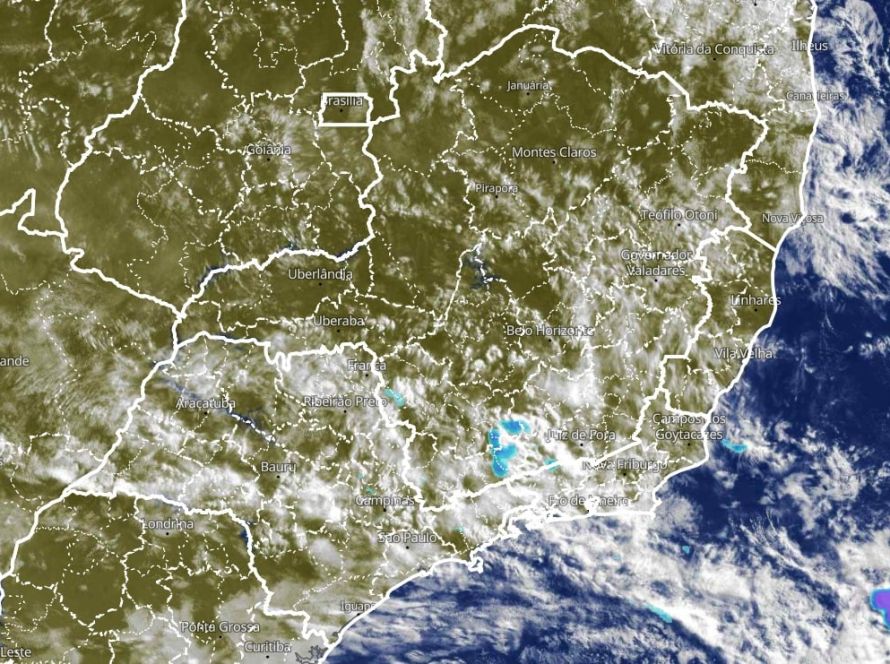
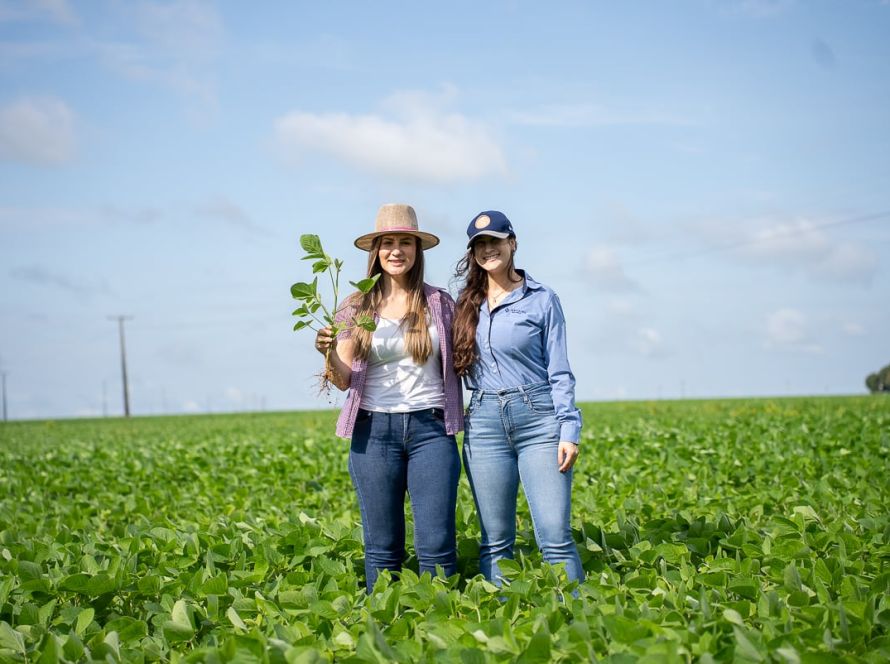
For Frederico Tannure Filho, president of the Mato Grosso Swine Breeders Association (Acrismat), who was sworn in for his second term, the moment calls for optimism coupled with caution. He points out that, despite Mato Grosso being the cradle of corn and soybean production, climatic factors are expected to influence the crop next year.
"The delay in soybean planting will certainly impact the corn crop at the beginning of 2026 and, in a way, worries the pig farming sector regarding costs, because the heaviest portion of pig production costs is feed," he points out.
At the same time, the sector continues to be supported by the strong performance of exports, which continue to break records. According to the Brazilian Association of Animal Protein (ABPA), in 2024, 1.3 million tons of pork were exported, placing Brazil as the fourth largest pork exporter in the world.
According to the head of the Brazilian Agricultural Research Corporation (Embrapa) Swine and Poultry, researcher Everton Krabbe, expanding domestic consumption of pork is also one of the sector's goals. “We need to boost the domestic market so we don't depend solely on exports. Today, the average consumption of pork in Brazil is 20 kg per capita per year, but there are other countries that consume twice that. We need to and can grow in this aspect,” he emphasizes.
According to the researcher, another important factor to consider is sustainability. Within Embrapa, there is a project to certify pork according to internationally recognized sustainable requirements.
"Brazilian pig farming is sustainable, but it still lacks a way to prove its sustainability because there's no methodology to measure it. I presented the idea for a project, to be developed over the next five years at Embrapa, that would provide one or more software programs so we can recognize the sustainability factors of each farm, each company, and so on. We envision a certificate linked to the product label, similar to the Green Passport program in cattle farming."