EN
EN  PT_BR
PT_BR 
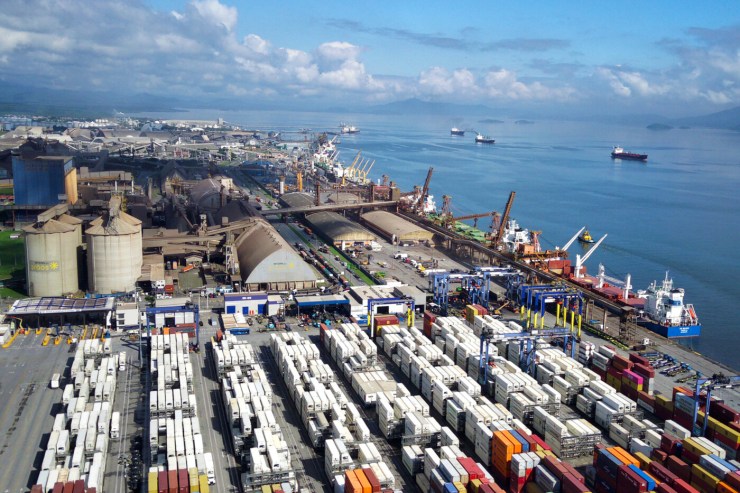
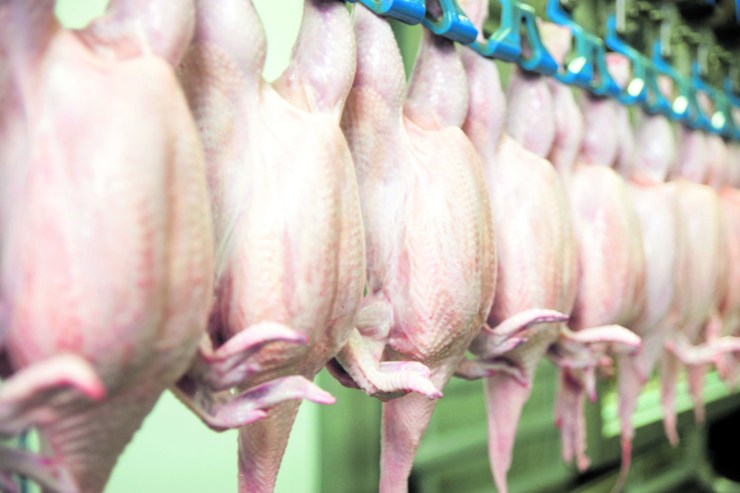
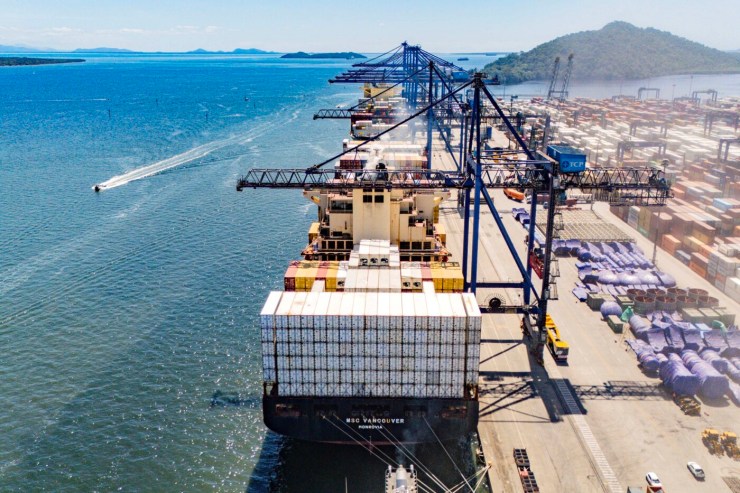
According to data from Itaú BBA Agro, Brazilian exports of fresh chicken meat slowed down in November, falling from 435,000 tons in October to 395,000 tons the following month, a decrease of 5.21% compared to November 2024. In the first eleven months of 2025, the volume of fresh chicken fell by 7.81% of the total. When including processed products, the reduction was much smaller, at only 1.51% of the total, showing that the industry managed to offset part of the drop in external sales.
Despite the recent announcement of the reopening of the Chinese market, shipments of fresh chicken to the Asian country remain at zero. Even so, the diversification of destinations for Brazilian chicken meat maintains the sector's stability, with the United Arab Emirates as the main buyer, representing approximately 101% of the total.
 In the field, the costs of the main feed inputs, such as corn and soybean meal, have been rising in recent months. In Paraná, for example, the prices of these inputs increased by 10% and 11%, respectively, between July and November. According to a survey by Embrapa, however, these impacts have not yet been fully absorbed, and margins remain favorable, with an estimated spread of around 41%, above the historical average of 35%.
Prices for whole frozen chicken in São Paulo have remained stable since the beginning of November, in line with the values at the end of last year, with a slight upward trend in the short term due to the seasonal increase in demand during the holiday season.
Regarding production, IBGE data shows that the sector maintained a growth trajectory throughout 2025. In the third quarter, chicken slaughter increased by 2.91% of the total per quarter (TP4T) compared to the same period last year, and production grew by 3.11% of the total per quarter (TP4T). In the accumulated period up to September, slaughter increased by 2.21% of the total per quarter (TP4T) and production by 2.91% of the total per quarter (TP4T), confirming the continuous expansion of the national poultry industry.