EN
EN  PT_BR
PT_BR 
The Brazilian production sector believes it has managed to "turn the tide" in Belém (PA) by reinforcing its sustainability and innovation in production. This assessment comes from the vice-president of the Parliamentary Agricultural Front (FPA), Deputy Arnaldo Jardim (Cidadania-SP), and the president of the Instituto Pensar Agropecuária (IPA), Tania Zanella, who attributed the change in scenario to the qualified occupation of spaces by the parliamentary group and the technical work of the sector's entities.
After more than two months of debate, the version of the Climate Plan expected for COP-30 was not published due to a lack of consensus regarding sections that attribute all legal and illegal deforestation of private or public areas to the agricultural sector, without considering the sector's greenhouse gas emissions. The text also lacks transparency regarding the methodology used and proposes using unofficial data to organize public policy.

Arnaldo Jardim states that the sector has moved out of the risk zone in Belém (PA) after political articulation and coordinated action by the entities; the Climate Plan should only advance with new adjustments – Photos: Press Release/FPA
During the lunch meeting on Tuesday (25), a technical assessment of the participation of agriculture in COP-30 was carried out, in addition to discussing the next steps in the negotiation of the Climate Plan with the Civil House. The meeting brought together parliamentarians, sector leaders and representatives of the main entities of Brazilian agriculture.
The vice-president of the FPA, Congressman Arnaldo Jardim (Cidadania-SP), represented the FPA at COP-30 and stated that the agricultural delegation entered the conference in an adverse scenario and emerged strengthened after a maneuver considered decisive behind the scenes. “When COP-30 was announced for Belém, many of us thought we would be entering a very dangerous risk zone. But we sought technical alternatives and managed to build a strong and well-coordinated position,” he said.
According to the parliamentarian, the retention of Ambassador André Corrêa do Lago as leader of the delegation—after a strong internal dispute within the government—was a significant step. Jardim also highlighted the choice of former minister Roberto Rodrigues as... Special Envoy For agriculture, and the appointment of Dan Yoshikawa, linked to Fiesp, as business coordinator (Champion) of COP. For him, these decisions consolidated "a favorable situation" for agriculture in international negotiations.
AgriZone becomes a strategic showcase.
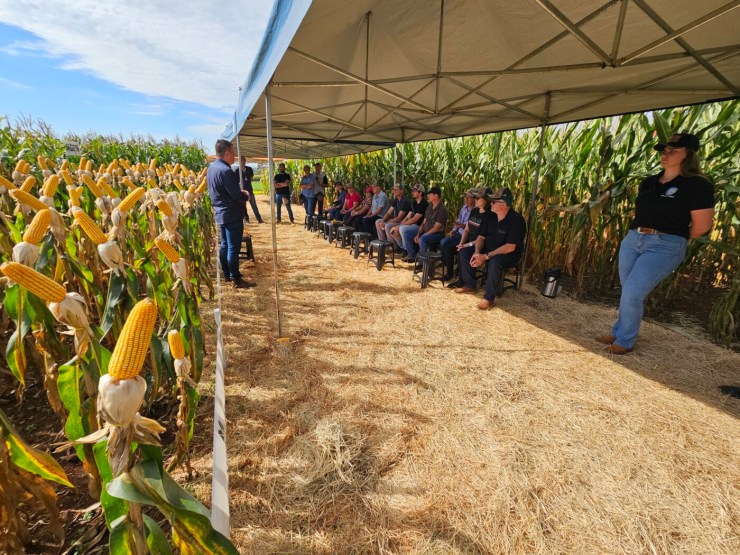
The sector considered the participation in AgriZone, a space dedicated to sustainable tropical agriculture within COP, to be decisive. The congressman described the area as "spectacular" and "unprecedented," highlighting the impact of demonstrating Brazilian technologies.

IPA President Tania Zanella: “We saw foreign delegations walking in the sun to observe low-carbon soy, integrated systems, and recovery areas. We started the game losing 3-0, but we turned it around.”
“We saw foreign delegations walking in the sun to observe low-carbon soy, integrated systems, and recovery areas. We started the game losing 3-0, but we turned it around. We came out with technical authority and international respect,” said Jardim.
The coordinated presence of entities such as CNA, the OCB System, and Embrapa, in addition to the preparation of a technical document led by Marcelo Morandi, a representative of Embrapa, was considered crucial in dismantling negative narratives about deforestation, biofuels, and the carbon market.
Climate Plan
According to the FPA, premature disclosure could compromise progress made at the conference. Sectors of the government, Jardim reported, argued that the announcement should be made in parallel with the decrees demarcating indigenous lands—a move seen as "imprudent" by agricultural organizations.
The president of IPA, Tania Zanella, emphasized that the first draft of the plan generated strong concern. “The agricultural sector entered COP with reservations, but emerged victorious. In the case of the Climate Plan, considering the size of the risk, we made significant progress. However, there were extremely sensitive points lacking the technical maturity to be announced,” she stated.
After daily meetings led with the active participation of Roberto Rodrigues, the government signaled that it will resume the debate with the creation of a working group, with an estimated timeframe of 30 to 60 days for adjustments before the final version of the Plan. "The fact that the Plan was not announced—something treated as a certainty—was a collective achievement," said the president of IPA.

Congressman Henderson Pinto: "COP-30 was an extraordinary opportunity to show the world that Brazil does things differently."
Congressman Henderson Pinto (MDB-PA) also highlighted the institutional strengthening of the productive sector during the event. “COP-30 was an extraordinary opportunity to show the world that Brazil does things differently. Those who were in Belém saw a modern, sustainable, and united agricultural sector, showcasing technology, research, and productive practices that many people abroad were unaware of. The productive sector emerged strengthened, with international respect and a clear message: sustainable development and forest protection go hand in hand in Brazil.”
Along the same lines, Senator Zequinha Marinho (PODEMOS-PA) stated that the firm stance of the organizations was crucial in preventing damage to the sector. “The government needs to understand that serious climate policy is made through dialogue, predictability, and respect for the law. The reversal in the announcement of the Climate Plan was a direct result of the firmness of the organizations and the rural caucus. We will not accept improvised measures that harm those who produce and generate employment in Brazil.”
Carbon market and climate finance

Senator Zequinha Marinho: "The government needs to understand that serious climate policy is made through dialogue, predictability, and respect for the law."
According to Jardim, Brazil's decision not to immediately enter the carbon market was strategic. "We want to enter with solid parameters, legal certainty, and competitive capacity. It's not a lack of understanding of the instrument; it's preparedness," he stated.
The congressman also criticized the lack of progress on the climate finance agenda, especially regarding the provision of resources from developed countries to support forest preservation.
Brazilian leadership leading up to COP-31
The FPA highlighted that Brazil now holds the Presidency of COP, a mandate that began on the first day of COP-30 and extends until the opening of COP-31. According to Jardim, this requires coordinating the public and private sectors around a continuous work agenda. The parliamentary group plans to invite Ambassador Corrêa do Lago to a meeting to review the situation and define the next steps.