EN
EN  PT_BR
PT_BR 
The Wheat Sector Chamber of the State of São Paulo held, on the morning of this Thursday (16), the third and final meeting of the year. The meeting took place at the Itaberá I Warehouse of the Castrolanda Cooperative, with online transmission via the Sindustrigo channel on YouTube. The focus of the event was the analysis of the prospects for the 2025 harvest, marked by significant volume and superior quality of wheat harvested in the state.
During the meeting, the president of the Wheat Sector Chamber, Nelson Montagna, presented the updated projection for the São Paulo harvest. “Based on the data we have so far, the expectation is for a harvest very close to 400,000 tons, above the 350,000 tons indicated in the preliminary statistics. The projection is positive not only in volume, but also in quality, which is among the best in recent years,” he explained, highlighting the good performance of the rainfed areas.

The meeting received reports from the state's cooperatives, finalizing a projection for the São Paulo wheat harvest.
The change in scenario throughout the year was attributed to favorable weather conditions. For Montagna, the weather was crucial in consolidating the good results of the current season. “Our initial forecast was for a smaller harvest. I had already mentioned, at the last Chamber meeting, that I believed in one of the best harvests in recent times, and this is being confirmed. The weather was excellent, which contributed to a superior quality compared to recent years and positively impacted productivity,” he emphasized.
The president of Sindustrigo, Max Piermartiri, who also attended the meeting, reinforced the importance of the combination of technology and climate in crop performance. “We had a very positive coincidence: the genetic evolution of the cultivars coincided with extremely favorable climatic conditions for wheat cultivation. As a result, we obtained high productivity and quality well above average in São Paulo's fields,” he explained.
Piermartiri also highlighted São Paulo's strategic role in the national wheat chain: “The most important thing to emphasize is that São Paulo has a very solid wheat chain, encompassing production, supplies, milling, flour processing, and food production, with a rare level of organization and professionalism. Few places in the world bring together a production and consumption region as closely as São Paulo. This is a great competitive advantage for the state.”
Global recovery scenario and internal challenges
In the international arena, the wheat market is experiencing a recovery. Global production is expected to reach 816 million tons in 2025, with Europe showing particular strength. Despite this, Brazil is moving in the opposite direction, with a smaller harvest and greater dependence on imports.
Douglas Araújo, representative of CJ International, explained that the planted area in the country was reduced, which impacted national production. “In Brazil, we are producing less wheat this year, mainly because the sown area was smaller. In terms of productivity, the highlight is the Central-West region, especially Minas Gerais,” he contextualized.

Representatives from different links in the wheat supply chain met to discuss the 2025 harvest in São Paulo.
Although Rio Grande do Sul should maintain a significant volume of exports, the country remains dependent on imported wheat to meet demand. "Brazil is a sleeping giant in wheat production. It can produce much more than it does today, especially in winter crops," warned Araújo, citing the country's progress in technological innovation, particularly in cultivation in the Cerrado region.
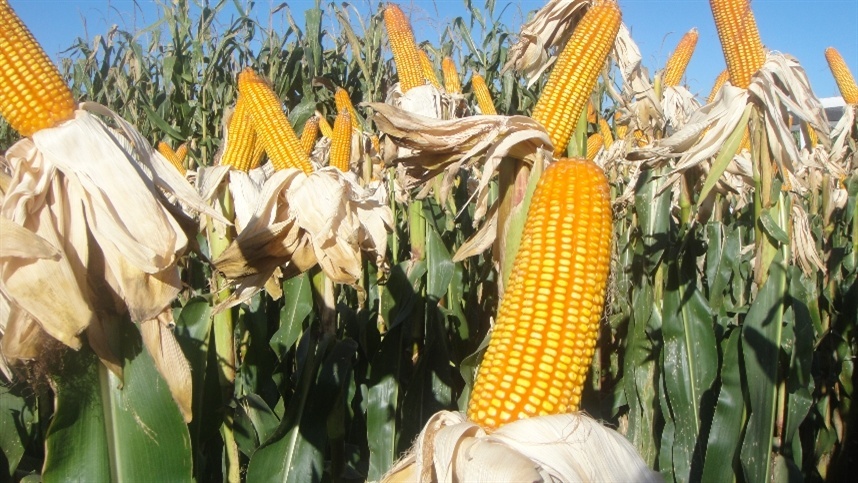
“In this region, we can use techniques such as overseeding wheat in cornfields, broadcast seeding (by machine or airplane), and even flooding systems. After the corn harvest, the wheat crop begins quickly, with a cycle of approximately 75 days. The wheat piggybacks on the previous crop and can generate very high yields,” he explained.
In São Paulo, despite being a benchmark in consumption and milling, there is still an imbalance between production and demand. The regional need is around 3 million tons per year, while milling reaches approximately 1.8 million tons. Local production is estimated at around 400,000 tons.
This scenario reinforces the dependence on imports and the importance of regional logistics. "São Paulo has significant consumption and needs to rely on the external market. The Port of São Sebastião can be an important complementary route to guarantee the supply of wheat in the state," stated Araújo.
Research evaluates wheat origin and perceived quality.
During the meeting, the results of the research “Tracking – Origin of Wheat from Associates,” now in its third consecutive year, were also presented. The survey aimed to map the total volume of wheat purchased within the state by Sindustrigo associates and to compare the perceived quality between wheat from São Paulo and Argentina.
This initiative reinforces the organization's commitment to traceability, promoting regional production, and continuously improving the wheat supply chain in São Paulo.