EN
EN  PT_BR
PT_BR 
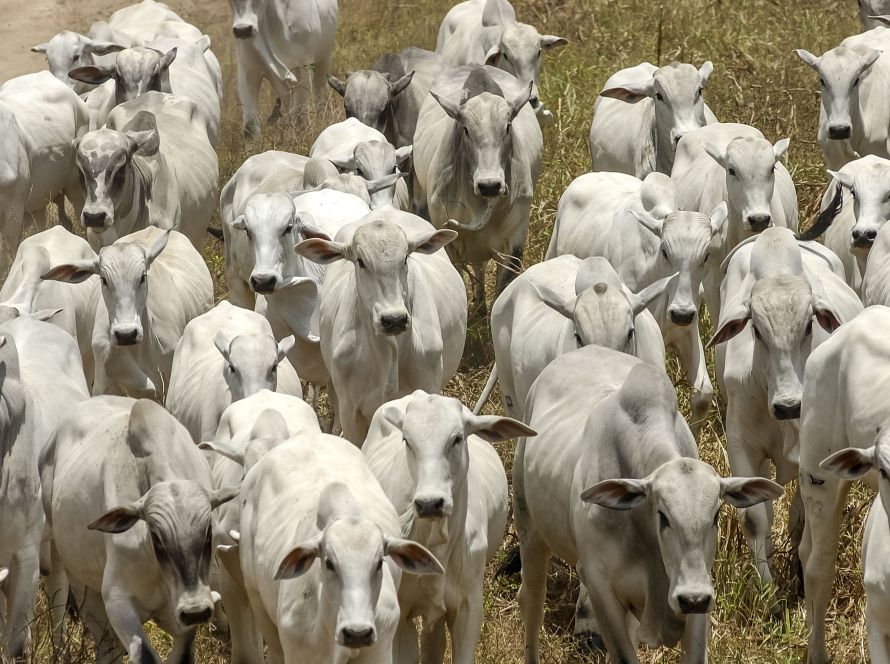
Livestock production in Mato Grosso is expected to generate R$ 42.1 billion in 2026, a growth of 6.8% compared to 2025, according to estimates from the Mato Grosso Institute of Agricultural Economics (Imea). With this growth, the activity is expected to expand its share within the state's agribusiness and account for approximately 20.2% of the Gross Production Value (VBP).

Photo: Shutterstock
In total, the Gross Production Value (VBP) of Mato Grosso's agricultural sector is projected at R$$ 208.3 billion this year, with livestock farming gaining relevance in a scenario of lower agricultural performance.
Part of this movement is already being observed in the field. In the first quarter of 2026, the state recorded the slaughter of 1.8 million head of cattle, the highest volume ever recorded for the period, with an increase of 6.71% compared to the same period last year.
The result reinforces Mato Grosso's productive capacity and consolidates the state as one of the main centers of Brazilian livestock farming, with production geared towards both domestic supply and the international market. “Livestock farming shows its strength by growing even in a scenario of economic contraction. This happens because the sector is more efficient, more technologically advanced, and connected to market demands, whether domestic or international,” assesses Bruno de Jesus Andrade, Director of Projects at the Mato Grosso Institute of Meat (Imac).

Photo: Thais Rodrigues de Sousa
The positive performance of the activity is mainly supported by the appreciation of the price per arroba of fat cattle and by the strong demand for finished animals, both in the domestic market and in exports.
At the same time, the sector is already showing signs of change in the production cycle. The retention of females in the field, a strategy adopted by producers, indicates a possible gradual reduction in the supply of animals throughout the year, which tends to support prices. “The retention of females and the appreciation of the arroba (a unit of weight) indicate a favorable environment for the coming months. Producers who are aligned with efficiency and quality tend to take better advantage of this market moment,” highlights the Projects Director of Imac.