EN
EN  PT_BR
PT_BR 
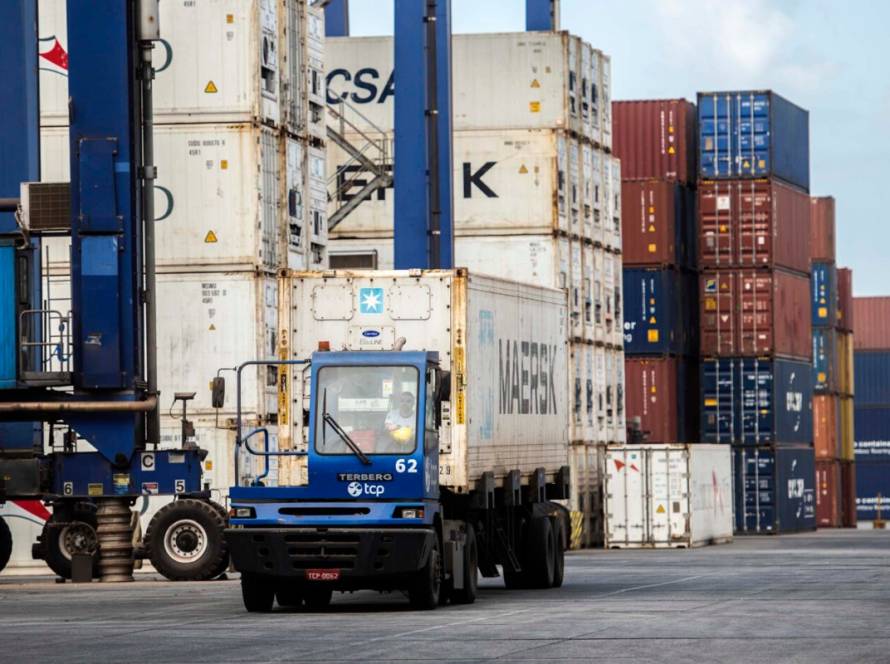
Trade agreements signed between Brazil and South Korea received a new boost on Tuesday (24), with priority given to expanding access for Brazilian animal proteins to the Asian market. At a meeting held in Gimcheon, the Ministry of Agriculture delegation focused discussions on the authorization of meat processing plants, sanitary audits and expansion of scopes, technical steps considered crucial to unlock shipments of meat and meat products to the Asian country.

Photo: Caio Aquino/Map
In the poultry meat segment, 15 Brazilian plants already approved by the South Korean food safety agency are still under review by the Animal and Plant Quarantine Agency (APQA). A decision is expected by mid-March. This progress is strategic, as South Korea is a high-value-added market with strict sanitary regulations, which could strengthen Brazil's presence in Asia.
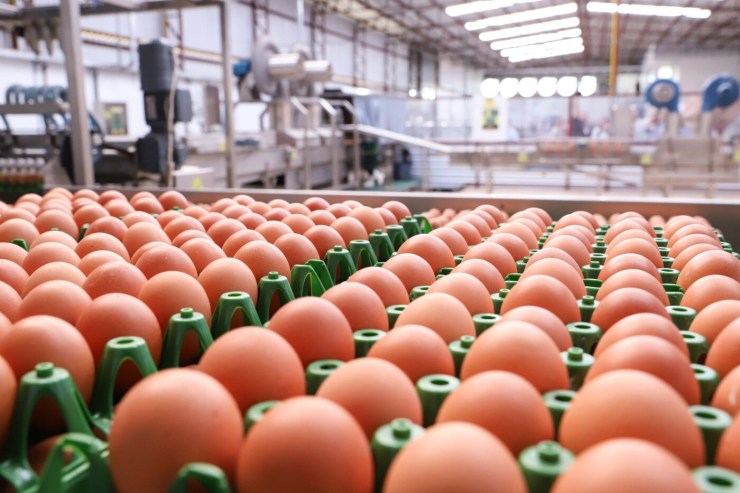
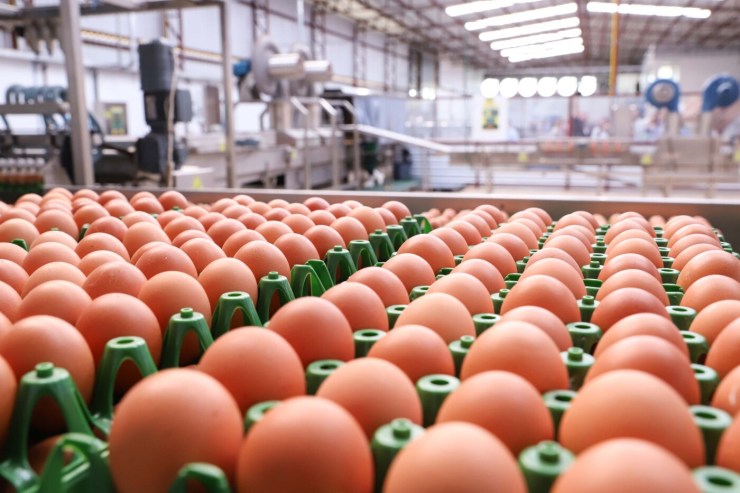
For eggs and egg products, Brazil has submitted a proposal for an International Sanitary Certificate (ISC), currently under evaluation by Korean authorities. A response is expected in the coming months and could represent a new export opportunity for the sector, which seeks to diversify its export markets in the face of global volatility.
Pork was also central to the negotiations. Expanding the scope to the entire Brazilian territory is under consideration, a step deemed essential to consolidate access to the South Korean market. The decision is expected to be announced by the Ministry of Agriculture, Food and Rural Affairs (MAFRA) and may be followed by an on-site inspection. Furthermore, a technical mission is planned for the second half of the year to certify six Brazilian establishments: three pork processing plants and three flour production units.
Beef, however, was treated as a priority by the Brazilian delegation. Brazil advocated for a technical audit and reiterated that...

Photo: Caio Aquino/Map
It is ready to receive a Korean mission as soon as possible. Opening or expanding this market is seen as strategic, especially given the growing Asian demand for red meat.
New qualifications
The meeting took place with Commissioner Choi Jung-Rok of APQA and is part of a broader agenda for closer sanitary relations between the two countries. In addition to animal proteins, a South Korean technical mission to inspect grape-producing areas was confirmed for September, a necessary step to qualify Brazilian grapes for the South Korean market.

Photo: Caio Aquino/Map
During the meeting, the Secretary of Trade and International Relations of the Ministry of Agriculture, Luís Rua, highlighted that Brazil is willing to receive audits and technical missions at any time, reinforcing the strategy of expanding access based on sanitary criteria and regulatory transparency.
Two recently signed Memoranda of Understanding in the agricultural sector were also mentioned, which provide institutional support for ongoing technical negotiations.
The signals from Korean authorities in the coming weeks will be crucial in gauging the pace of market reopening, especially for poultry and pork, segments that have the highest immediate expectations for growth.