EN
EN  PT_BR
PT_BR 
Brazilian fish farming exports closed 2025 with a growth of 2% in value, even in the face of challenges in international trade, including the so-called "tariff hike" applied by the United States. Revenue from foreign sales reached US$$ 60 million. In volume, however, there was a decrease of 1%, going from 13,792 tons in 2024 to 13,684 tons in 2025.

Photos: Shutterstock
The data indicates that only shipments of fresh and frozen fillets showed an increase during the period. Exports of fresh fillets totaled US$41 million, while frozen fillets reached US$3 million, with significant growth of 245%. On the other hand, fish by-products intended for human consumption ceased to be exported in 2025, registering a total decline in this category.
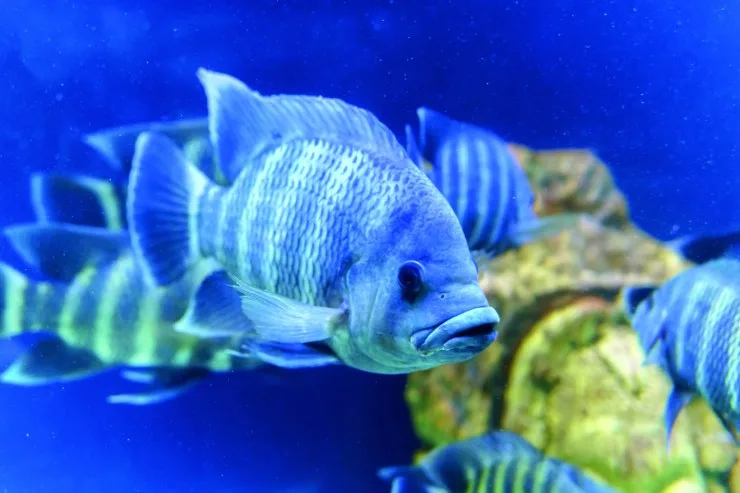
Tilapia maintained its leadership in foreign sales and accounted for 94% of the total exported by Brazilian fish farming in 2025, with US$$ 56.6 million. In the accumulated year, the species registered an increase of 2% in value and 1% in volume compared to 2024, despite the slight overall decrease in the total volume exported by the sector.
Tambaqui occupied the second position among exported species, with US$961,000, a growth of 481,000 tons in value compared to the previous year. In volume, the largest percentage increase was recorded by catfish, with a rise of 581,000 tons, totaling 207 tons shipped.

Among the main events of the year, Brazil dropped one position and now occupies fifth place among the largest suppliers of tilapia to the United States. Shipments of frozen tilapia fillets increased by 421%, and Mexico became the fifth largest importer of Brazilian tilapia.
In the domestic market, tilapia also stood out in imports. The species was the third most imported by Brazil within the aquaculture sector, totaling US$1.5 million.
According to data from the Brazilian Aquaculture Yearbook PeixeBR 2026, the numbers reinforce the relevance of tilapia in foreign trade and the concentration of Brazilian exports in products with higher added value.