EN
EN  PT_BR
PT_BR 
Brazilian exports of agricultural inputs, such as chemical pesticides, bio-inputs, and seeds, totaled US$188 million in the first quarter of 2026, a record for the period. In volume, approximately 30,900 tons of products were shipped. This value represents an 8.7% increase compared to the same period last year and reflects the sector's growing international presence.
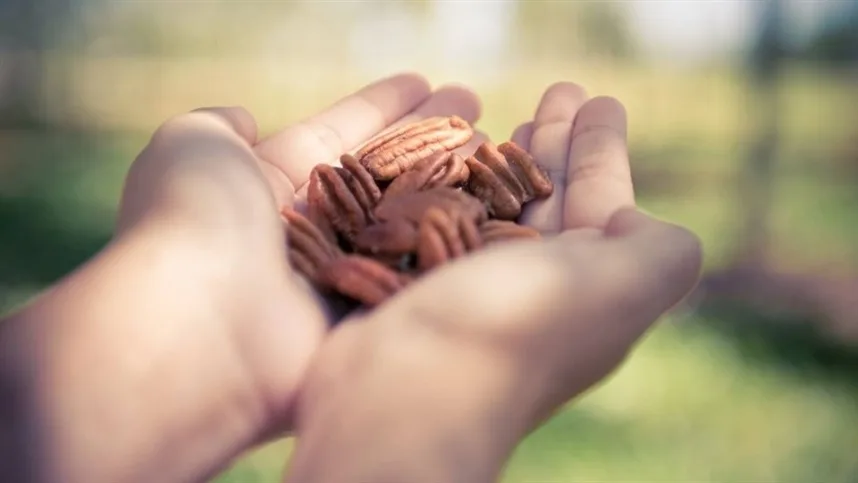
Agricultural seeds reached US$63 million, a third of total external sales, the best result for the first three months of the year. This highlight reinforces the trajectory observed in the last five years. “Brazil has consolidated its position as an exporter of agricultural inputs, and the numbers for the first quarter of 2026 prove that the sector is in full expansion, with historical records and an important new development: diversification. The export portfolio of seeds has grown and renewed itself. Crops that previously barely appeared in the statistics are now reaching new markets on four continents. This movement is not isolated; it follows the trajectory of Brazilian agribusiness, which continues to break significant records each quarter,” analyzed Renato Gomides, executive manager of CropLife Brazil.

The opening and expansion of new markets contributed to the performance of the sectors, assessed the executive manager. Of the total value of exported inputs, chemical pesticides represented US$105 million and bio-inputs, US$21 million.
Foreign trade
In 2022, seed exports were concentrated in forage crops, corn, and vegetables, which represented 92% of total sales. In 2026, these crops will still lead, but with a reduced share of 82%, making room for new products. In this first quarter, for example, Brazil exported turnip seeds to Uruguay, castor beans to Congo and Kenya, sorghum to Bolivia, and melon to the United States, movements that already represent 14% of the segment's external sales.

From another perspective, imports of chemical pesticides totaled US$2.3 billion, a decrease of 11% compared to the first quarter of 2025. The decline was observed in all segments—formulated products, technical products, and raw materials—and was accompanied by a reduction of 8% in the imported volume. This movement, already noted previously, reflects, among other factors, the greater participation of generic products in external purchases, contributing to the fall in average prices.


Product registrations
In the first quarter of 2026, the chemical pesticide segment accounted for 186 products with active registrations. Of this total, 107 are formulated products and 79 are technical products. Among the 19 active biological registrations, the breakdown shows 12 new microbiological agents, 4 macrobiological agents, and 3 biochemical agents. The data from CropLife Brasil uses official information from the Ministry of Agriculture and Livestock.
Bioinputs
The bio-inputs market, which achieved unprecedented performance in 2025, maintained its growth trajectory. In January 2026, the sector generated R$445 million, an increase of 31% compared to the previous year. The treated area also stood out, with 12 million hectares in the month, a growth of 18% compared to the same period last year. The bioinsecticide segment led both in market value (R$264 million) and in area (5.3 million hectares).