EN
EN  PT_BR
PT_BR 
Following the strong performance recorded in 2025, the Brazilian pig farming sector maintains optimistic projections for 2026. Increased external demand, coupled with moderate production growth and the maintenance of firm prices, should ensure attractive margins throughout the cycle.
Cepea's calculations indicate that approximately 1.44 million tons of pork will be shipped next year, representing a growth of 6.31 TP4T over 2025.
These figures could even improve Brazil's position in the ranking of the world's largest exporters of the protein; since 2023, the country has occupied 3rd place, according to USDA data.

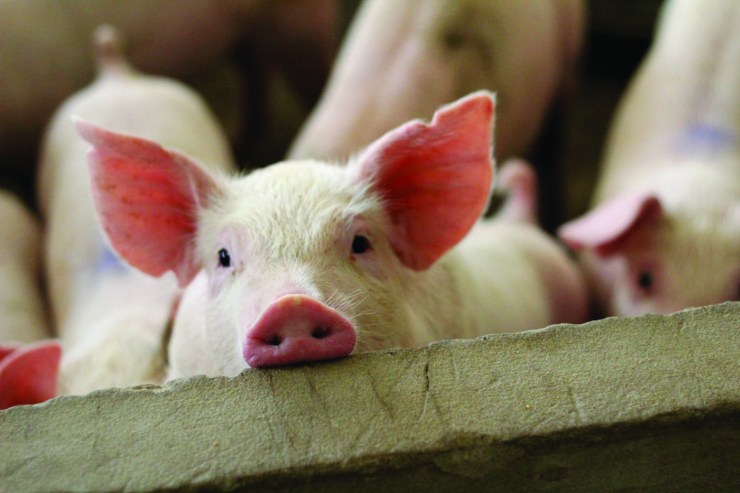
Photo: The Rural Gift
According to researchers at Cepea, the expectation is for the opening and consolidation of new markets, in addition to the expansion of the total value exported. Among Brazil's trading partners, the Philippines should continue to be the main one, acquiring 7% more of the national pork in 2026.
As for China, the second largest destination, the total shipped is expected to continue falling, given the country's declining demand in recent years – between 2021 and the partial data for 2025, the total shipped to the country fell by more than 70%.
In the Americas, Mexico is expected to continue increasing its demand for Brazilian beef. Domestically, prices may remain high next year. At the same time, Cepea estimates indicate that the trend of lower volatility should continue – in 2025, prices remained practically stable in some markets for four or even six consecutive weeks.
The expectation of firm prices is supported by continued strong demand. According to ABPA, per capita consumption of pork protein is projected at 19.5 kilograms in 2026, an increase of 2.5% compared to the previous year.
Regarding pork production, Cepea estimates an increase of 4%, reaching 5.88 million tons. As in 2025, Cepea projects a good year for producers, favored by firm animal prices.