EN
EN  PT_BR
PT_BR 
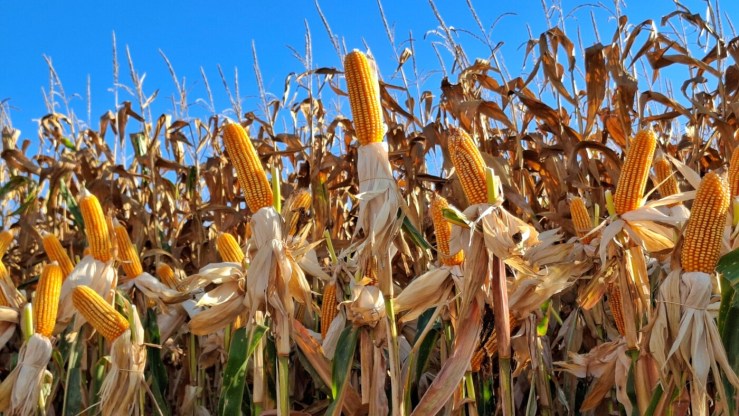
In the final stage of the second corn crop, grain filling becomes the main determinant of productivity. Even so, it is common for producers to reduce investments in nutrition at this stage, a practice that can compromise crop performance without immediate signs in the field.
Even close to harvest, the crop remains exposed to stress factors such as excessive radiation, water deficit, and pest pressure. According to João Vidotto, a Master in Agronomy and specialist in Crop Ecophysiology, the idea that interventions at this stage have a low return is unfounded. "The crop continues to face the same climatic challenges and loses a lot of energy," he says.
Nutritional requirements remain active during the reproductive phase.
Corn depends on a wide range of nutrients throughout its entire cycle. The absence of any of the 14 essential elements limits development and directly impacts ear formation. In the reproductive phase, when the plant directs energy towards grain production, nutritional management directly influences yield.
Vidotto points out that, during this period, many producers focus their efforts solely on potassium application. "The adequate supply of sulfur, boron, and magnesium is also crucial at this stage and ensures that the photoassimilates reach the ear of corn," he explains.
Climate stress maintains pressure until harvest.
Even at an advanced stage, the crop remains subject to losses associated with the environment. Water restriction and excess light, common during the off-season, affect the plant's metabolism and reduce the efficiency of grain filling.
In addition to essential nutrients, the use of elements considered beneficial can contribute to greater stress tolerance. Vidotto cites compounds such as selenium, which, although not indispensable for completing the cycle, can influence productive performance. "Without these elements the plant produces, but with them the result tends to be greater," he says.
Late management determines economic outcome.
The final phase of the cycle acts as a fine-tuning of productivity. With the physiological system under pressure, the plant's ability to convert energy into grain mass depends directly on nutritional conditions.
According to the expert, strategies aimed at reducing stress help preserve the productive potential built up throughout the growing season. "The plant needs to maintain enough energy to form and fill the grains. When this doesn't happen, the loss is reflected in the yield," he says.
The decision to maintain or reduce management at this stage can determine the economic outcome of the crop, especially in harvests marked by climatic variability.