EN
EN  PT_BR
PT_BR 
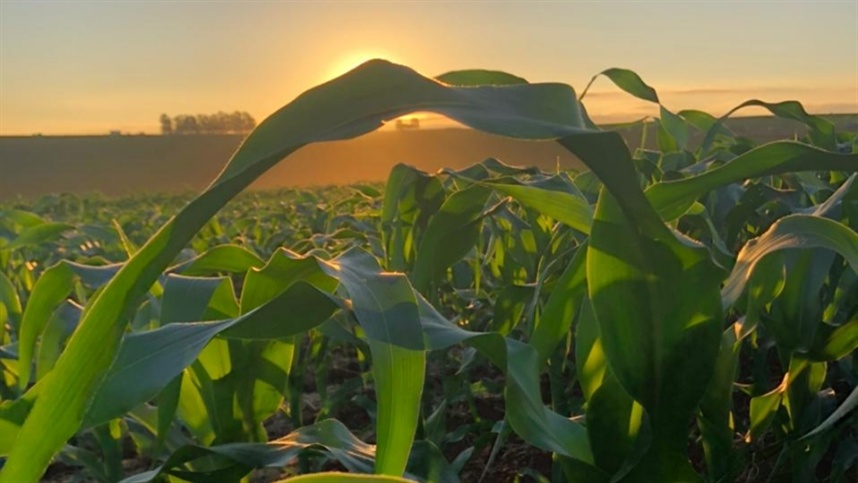
Helminthosporiosis, also known as turcicum leaf spot, is a disease of the corn Caused by the fungus *Exserohilum turcicum*. The first symptoms usually appear on the lower leaves of the plant, with small elongated spots, initially light green or yellowish, which can later turn olive-brown or chestnut.
High humidity, dewy nights, frequent rainfall, and temperatures between approximately 18 and 27 °C favor the development of the disease. The risk can also increase in areas with successive corn cultivation, the presence of infected crop residues, and repeated use of susceptible hybrids.
The biggest problem occurs when the disease progresses to the leaves in the middle and upper third of the plant, especially those near the ear. These leaves play an important role in grain filling. When the infection occurs more severely before or during flowering, the material indicates the possibility of reduced photosynthesis, less grain formation, and reduced grain weight.
Monitoring should begin during the vegetative stage, especially in areas with a history of the disease. During humid periods with mild temperatures, the material recommends evaluating the crop at least once a week, observing the rate of lesion progression and their presence on leaves near the ear.
Management should combine different strategies, such as choosing hybrids with partial resistance, crop rotation, crop residue management, and adjusting planting time and density. The use of fungicides can be part of the control, but it must be based on diagnosis, monitoring, and technical guidance, following the label, package insert, and agronomic prescription. Early identification is important to monitor the evolution of helminthosporium leaf spot and determine the need for intervention before the disease reaches the leaves most important for grain formation.