EN
EN  PT_BR
PT_BR 
Fish production in Rondônia has registered a slight recent decline, but the state remains one of the main centers of Brazilian fish farming, with a strong predominance of native species. According to data from the Brazilian Fish Farming Yearbook PeixeBR 2026, the sector still has natural conditions and institutional support that sustain the development of the activity.
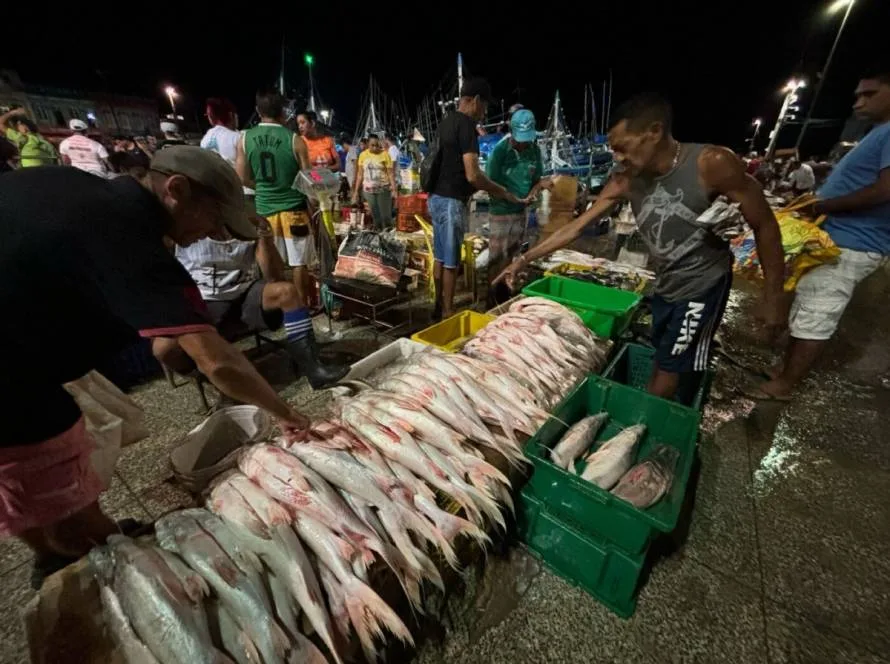
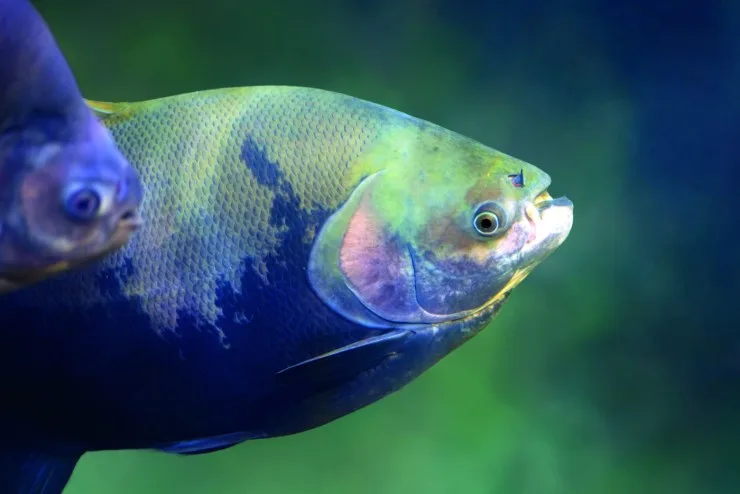
Between 2024 and 2025, state production fell by 2.67%. Last year, the total volume reached 55,380 tons, with an almost absolute predominance of native fish, which represented 99.78% of the production. Among the cultivated species, tambaqui remains the main highlight of Rondônia's fish farming.

Photo: Síglia Souza
Even with the reduction in volume, the state maintains factors considered favorable to the sector's growth. The ample availability of water resources contributes to the expansion of production in excavated ponds. Furthermore, public policies and initiatives supported by Sebrae, CNA, and the state government encourage the activity and stimulate investment.
The sector is also undergoing a modernization process, with actions aimed at promoting tambaqui in the national and international markets. In Rondônia, fish farming also benefits from integration with other agribusiness activities, especially the production of inputs used in feed manufacturing.
Despite the progress, the industrialization of fish farming remains a challenge. Expanding processing is seen as a way to increase consumption and facilitate access for tambaqui to new markets, especially among consumers seeking semi-prepared products.
Among the municipalities with the largest area of excavated fishponds in the state, the following stand out:
Ariquemes – 2,857 hectares
Ji-Paraná – 1,155 hectares
Cujubim – 1,050 hectares
Alta Floresta D'Oeste – 963 hectares
Ouro Preto do Oeste – 888 hectares
Regarding the species produced, native fish totaled approximately 55,200 tons, while tilapia accounted for about 180 tons.