EN
EN  PT_BR
PT_BR 
With each new harvest, Brazilian agribusiness reaffirms its relevance on the global stage. According to IBGE data, the estimated harvest for 2025 is 345.6 million tons, the largest ever recorded in Brazil, 18.11 times higher than in 2024. These numbers highlight the sector's strength and, at the same time, the urgency of a logistics system capable of keeping pace with this growth. As the numbers increase and productivity consolidates as a competitive advantage, it becomes clear that operational efficiency has ceased to be merely a concern and has become an essential and strategic component, especially during periods of concentrated volume and increased pressure on the entire supply chain.
Much of this operation originates in regions far from urban centers and ports, making infrastructure one of the main challenges for distribution. Poorly prepared rural roads, fragile access routes, and historical bottlenecks along logistics corridors directly impact costs, deadlines, and predictability. Even with gradual advances in the national network, physical infrastructure still evolves more slowly than demand, reinforcing the importance of robust digital solutions based on data, intelligence, and integration, capable of compensating for structural limitations.

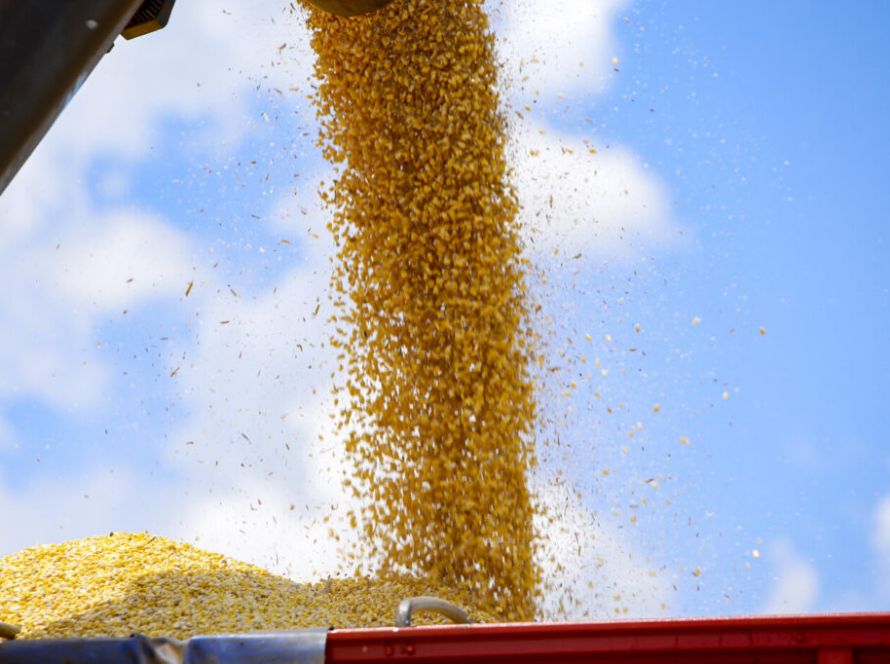
Article written by André Pimenta, CEO of Motz – Photo: Sandro Portaluri
Another critical point is the scarcity of trucks and drivers during the peak harvest season. The concentration of demand puts pressure on freight rates and reduces the sector's responsiveness, intensifying a challenge that repeats itself year after year, especially in a country where approximately 68.81% of the soybean flow still depends on road transport, according to data from Esalq-Log (Research and Extension Group in Agroindustrial Logistics). This level of concentration makes the system more sensitive to any fluctuation, and it is precisely in this context that digital platforms gain prominence by connecting shippers and carriers more quickly and accurately, improving resource allocation and reducing the impact of seasonality. When we combine predictability, transparency, and real-time data, we move from reacting to bottlenecks to anticipating them.
This movement is already part of the more profound transformation the logistics sector is experiencing. End-to-end digitalization eliminates bureaucracy, increases visibility, and improves collaboration among all agents in the supply chain. Optimizing solutions with resources such as automation and the use of artificial intelligence brings speed and precision to critical operations, while cargo tracking can establish a new standard of transparency and security. Visibility, which was once a differentiator, has become a basic requirement for operating at scale.
The peak season for agribusiness, therefore, should not be seen merely as a period of operational tension, but as an opportunity to raise the logistical standards of the sector. When we combine technology, integration, intelligence, and operational presence, we transform historical challenges into a competitive advantage, connecting the field to the road through logistics that respond to the present and evolve towards a future sustained by strategic leaders, more integrated supply chains, and a mature coexistence between the digital and the physical.