EN
EN  PT_BR
PT_BR 
THE Rust Monitoring Program RS Monitoring of Asian soybean rust in the 2025/2026 crop season concluded after 23 weeks. The network operated in 95 municipalities in Rio Grande do Sul, with an expansion of its structure through the installation of 20 new spore collectors for the fungus Phakopsora pachyrhizi.

Photo: Neto Archive/Embrapa Soja
Monitoring began in October 2025, aligned with the crop planting calendar. During this period, the program released weekly maps showing the distribution of uredospores and climate risk analyses for the occurrence of the disease.
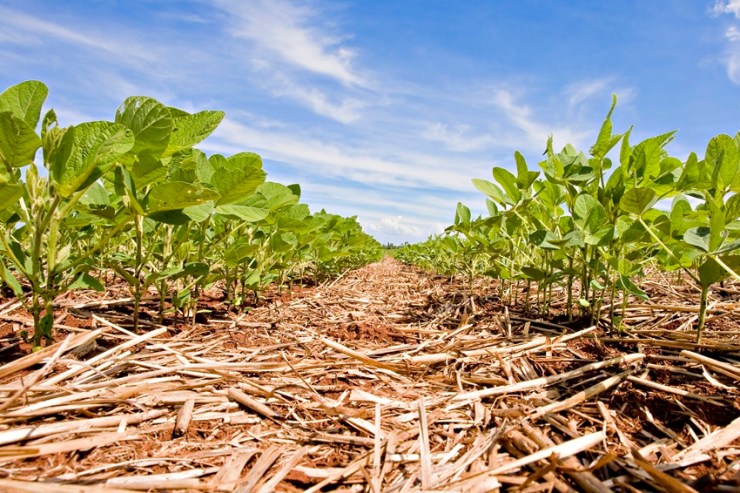
The dynamics of Asian soybean rust are directly linked to environmental conditions. The development of the fungus depends on free water in the leaves and temperatures between 15°C and 25°C. In the analyzed crop season, the state recorded above-average rainfall in September and high temperatures in the spring. In December, the volume of precipitation was high in practically the entire state of Rio Grande do Sul.
In the following months, however, reduced rainfall in January and February, coupled with high temperatures, limited the spread of the disease. According to researcher Andréia Mara Rotta de Oliveira, from the Department of Agricultural Diagnosis and Research (DDPA/Seapi), the sequence of dry days helped contain the rust outbreaks in the state.

Photo: RRRufino
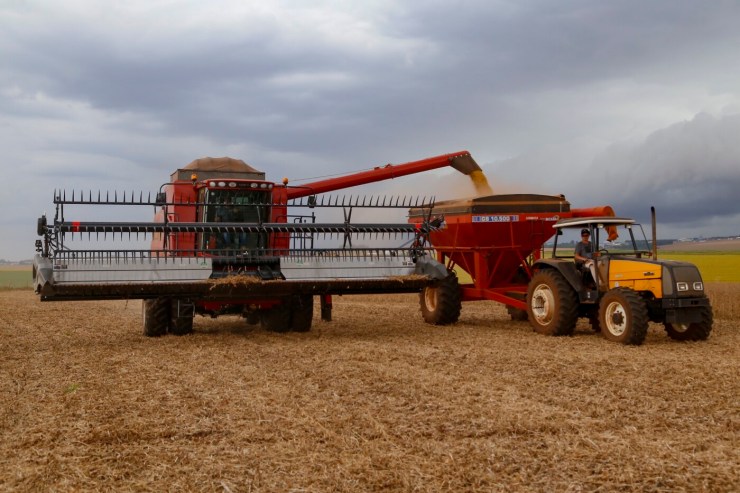
The data collected is currently being systematized and will form the basis of a technical report outlining the harvest results.
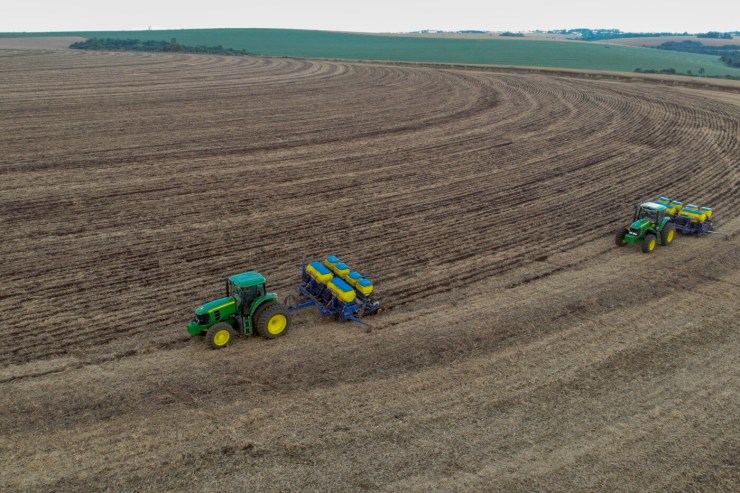
The state of Rio Grande do Sul enters a soybean planting ban period between July 3rd and September 30th, during which the presence of live soybean plants in the field is prohibited. This measure aims to reduce the survival of the fungus between harvests.
Created in 2019, Monitora Ferrugem RS is conducted by the state's Department of Agriculture in partnership with Emater/RS-Ascar and performs regional diagnosis of disease risk based on climate data and the presence of spores.