EN
EN  PT_BR
PT_BR 
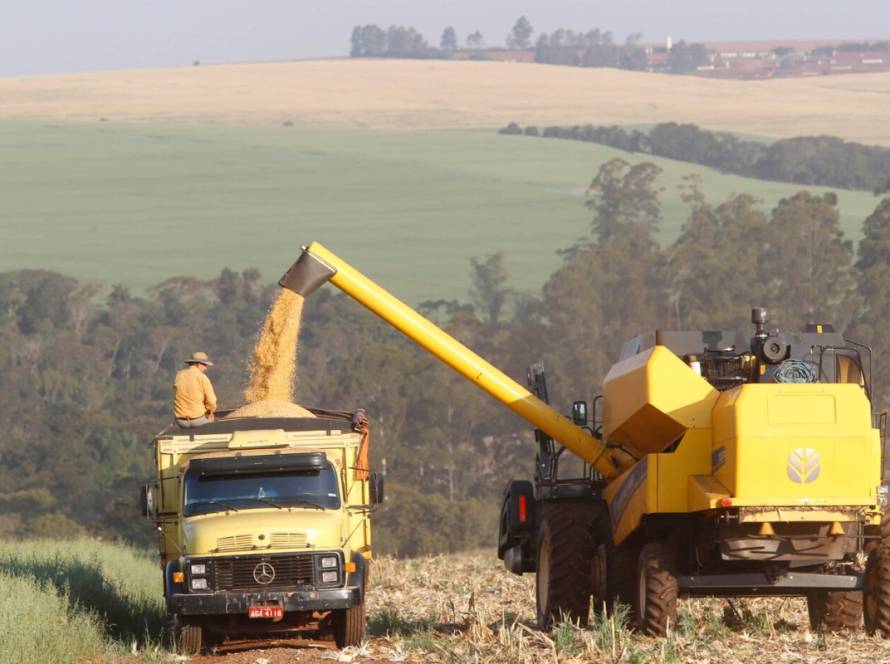
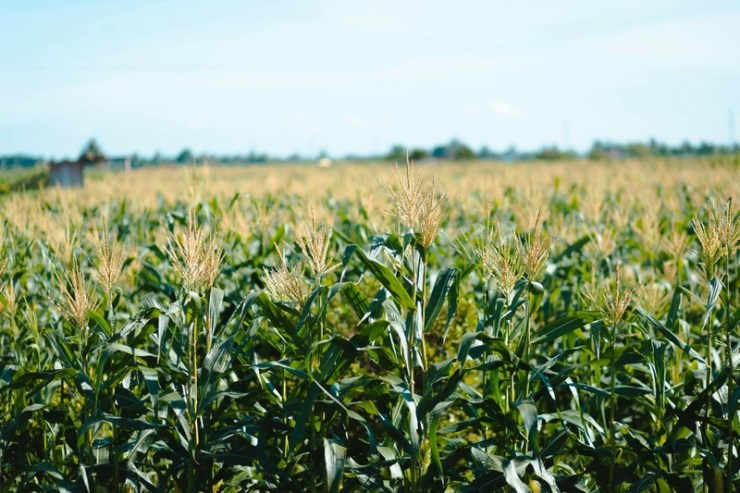
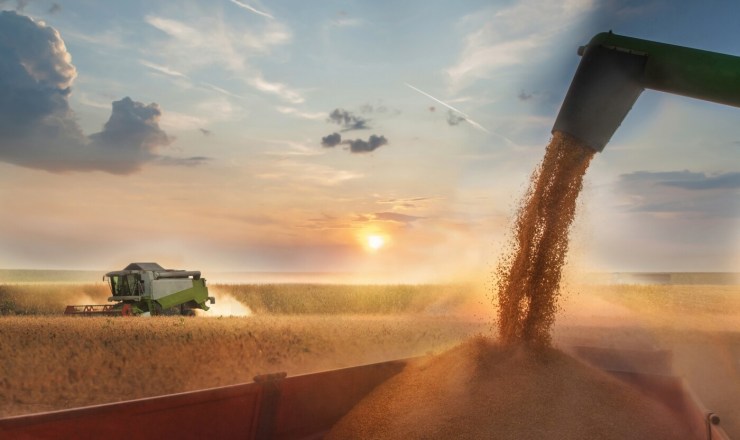
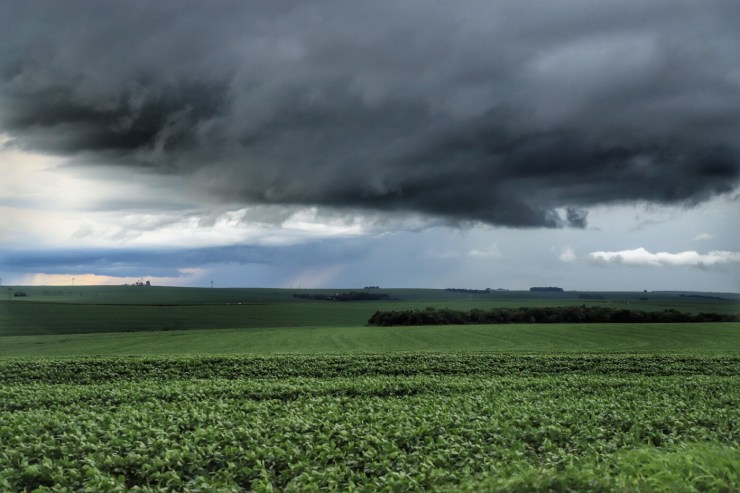
With 98.3% of the second corn crop already harvested, Brazil begins the new agricultural cycle. Data from the National Supply Company (Conab) indicate that the planting of the 2025/26 summer corn has already reached more than 28% of the area planned for the season, with Rio Grande do Sul (39%), Paraná (9%) standing out, and the start of sowing in Santa Catarina, benefiting from favorable weather conditions.

Photo: Guilherme Viana
Despite the progress in the field, the first two months of the 2025/26 Harvest Plan (July and August) registered a drop in rural credit contracts for operating and investment loans: R$ 86.4 billion were contracted in the period, compared to R$ 124.7 billion in the same period of 2024, a decrease of approximately 311%, according to a survey by the Confederation of Agriculture and Livestock of Brazil (CNA).
With this data, it is clear that the current situation demands not only attention to the technical preparation of the land, soil correction, seed selection, and application of inputs, but also robust financial planning. Rural insurance also registered a significant decline: the insured area fell by 38% (from 2.1 to 1.3 million hectares) and the insured value decreased by 43% (from R$ 16.1 billion to R$ 9.1 billion) in July and August 2025, compared to the same period of the previous year.
Furthermore, corn operating costs have been putting pressure on producer margins. In Mato Grosso, for example, the Total Operating Cost of the crop reached R$ 5,372.17/ha, increasing month by month. This scenario increases the risk that the price per sack will not keep pace with expenses.
In a scenario where every decision weighs heavily on the final harvest outcome, having organized information, accurate analyses, and quick access to credit ceases to be a differentiator and becomes a matter of survival. In the end, preparing the land and organizing finances are not separate actions, but interdependent. Those who organize both fronts in advance enter the harvest with greater security, less exposure to climatic or market risks, and a greater chance of consistent profits.