EN
EN  PT_BR
PT_BR 
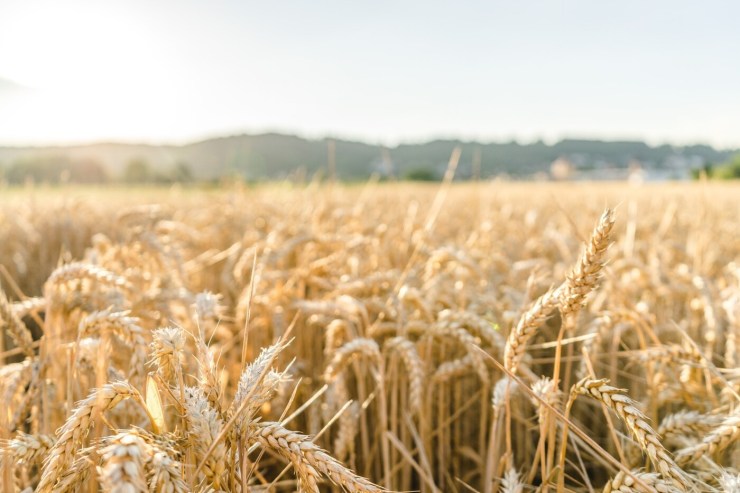
The wheat harvest in the area assisted by Capal The Agroindustrial Cooperative in the state of São Paulo is in its final stages, and the producers are satisfied with the results. With the harvest practically complete, the cooperative forecasts an average net yield of approximately 3.8 tons per hectare.
Considering that this year the area reserved by cooperative members for cereal cultivation in São Paulo was 26,200 hectares, covering a large part of the southwest region, the 2025/2026 wheat harvest is expected to reach approximately 100,000 tons, a potential higher than that recorded in previous years.

Photo: Shutterstock
According to Airton Luiz Pasinatto, an agricultural engineer and regional coordinator of the Technical Assistance Department (DAT) at Capal in São Paulo, the climatic conditions during the cycle were, in general, balanced. Rainfall was well distributed from April until the second half of July, and even the frost that occurred at the end of June did not represent considerable losses in the crop. "Of the total cultivated area, only 121 TP4T is irrigated; the rest is cultivated using rainfed systems, without the need for irrigation," he says.
However, there was a period of water stress of about 54 days between mid-July and September which, according to the agronomist, slightly compromised the crop. “We had a few weeks of dry spell with fluctuating temperatures, which slightly reduced productivity. Due to this final period, we lost approximately 300 kg/ha and almost reached the historical mark of four tons per hectare, the average obtained by Capal in previous harvests,” calculates Pasinatto.
Grain quality
Regarding sanitary issues, typical diseases and pests, such as powdery mildew and aphids, were controlled under the guidance of...

Photo: Disclosure/Freepik
Technical assistance from the cooperative. Furthermore, the absence of rain during the pre-harvest period resulted in a high-quality final product. "This is one of the best years in terms of wheat quality harvested in our region. Both the pH (hectoliter weight) and the..." falling The 'falling number', which indicates the quality of flour intended for baking, was excellent. Therefore, we have a product that meets all the standards required by wheat milling industries,” he celebrates.
Crop rotation
During the winter period, wheat is included in the crop rotation scheme in the Capal coverage area, which, in the state of São Paulo, has more significant units in terms of productivity in the municipalities of Taquarivaí, Itararé, Taquarituba and Avaré.
The cultivated area is contested with second-crop corn and sorghum and, to a lesser extent, with barley, triticale and oats.
The agricultural engineer states that market trends are one of the factors that determine which crop a producer chooses. "If corn or sorghum is showing signs of improvement, producers will reduce the area planted with wheat, and vice versa," he emphasizes.