EN
EN  PT_BR
PT_BR 
Acting President and Minister of Development, Industry, Trade and Services, Geraldo Alckmin, stated this Friday (21) that 22% of Brazilian exports to the United States remain subject to surcharges imposed by the US government. The statement was made at the Planalto Palace, one day after the White House removed 238 products from the list of the so-called tariff hike.

Photo: Disclosure
According to Alckmin, the new decision represents the biggest advance so far in bilateral negotiations. He highlighted that, at the beginning of the tariff imposition, 36% of Brazilian sales to the North American market were subject to additional rates. “Gradually, we had decisions that expanded the exemptions. With the removal of the 238 products, we reduced the share of exports subject to the tariff increase to 22%,” he considered.
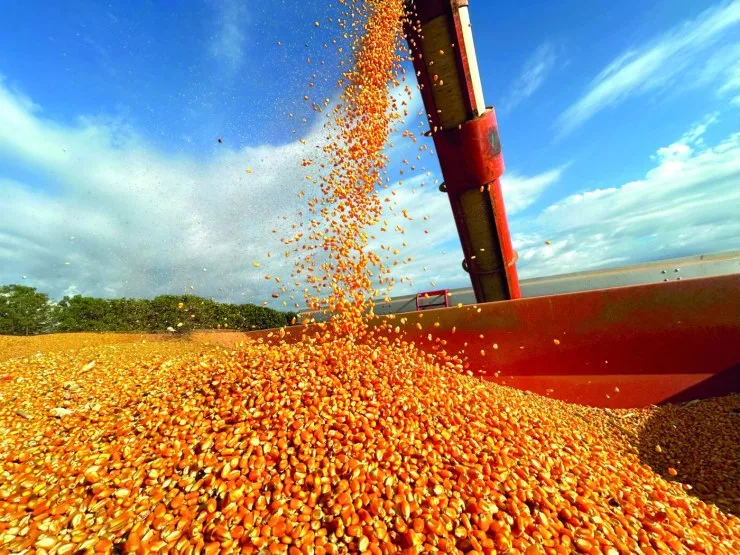
The measure announced by US President Donald Trump revokes the extra tariff of 40% on a list of mostly agricultural items, such as coffee, beef, bananas, tomatoes, açaí, cashew nuts, and tea. The exemption is retroactive to November 13 and will allow for reimbursement of products already exported.
Impact on exports
Data from the Ministry of Development, Industry, Trade and Services (MDIC) indicates that, based on the US$40.4 billion exported by Brazil to the USA in 2024:
- US$ 8.9 billion remain subject to an additional tariff of 40% (or 10% plus 40%, depending on the product);
- US$ 6.2 billion continue to face the extra tariff of 10%;
- US$ 14.3 billion are free of surcharges;
- US$10.9 billion remains subject to the horizontal tariffs of Section 232, applied to sectors such as steel and aluminum.

Photo: Shutterstock
According to the Secretary of Foreign Trade of the MDIC (Ministry of Development, Industry and Foreign Trade), Tatiana Prazeres, the share of Brazilian exports completely free of additional tariffs has increased by 42% since the beginning of the crisis.
She noted, however, that the industrial sector remains the most affected and requires greater attention from the government. "For industry, the search for alternative markets is more complex than for commodities," she stated.
Embraer aircraft, for example, remain subject to the 10% tariff.
Negotiations continue.
Alckmin stated that the US decision was influenced by the recent dialogue between Trump and President Luiz Inácio Lula da Silva during a meeting in Malaysia in October. The Brazilian government sent a trade agreement proposal to the US on November 4th, the content of which was not detailed.
The acting president reiterated that the country is seeking to advance negotiations to remove new products from the list of items subject to tariffs. He mentioned that tariff and non-tariff issues remain on the agenda for discussion, including areas such as rare earths, big tech, renewable energy, and the Special Tax Regime for Data Center Services (Redata).
Alckmin also confirmed that Lula presented Trump with questions regarding the application of the law, in addition to the request for tariff reductions.

Photo: Shutterstock
Magnitsky, which resulted in sanctions against Brazilian authorities.
According to the acting president, no meeting between the presidents has yet been scheduled, although Lula has invited the US president to visit Brazil.
Most sensitive sectors
Despite the relief for several agricultural items, the government believes that industrial products remain the main focus of concern. Some of these segments, especially higher value-added goods or those manufactured to order, have more difficulty redirecting exports to other markets.
Alckmin stated that he will remain committed to seeking new exceptions. "We remain optimistic. The work is not finished, but it is progressing with fewer obstacles," he declared.