EN
EN  PT_BR
PT_BR 
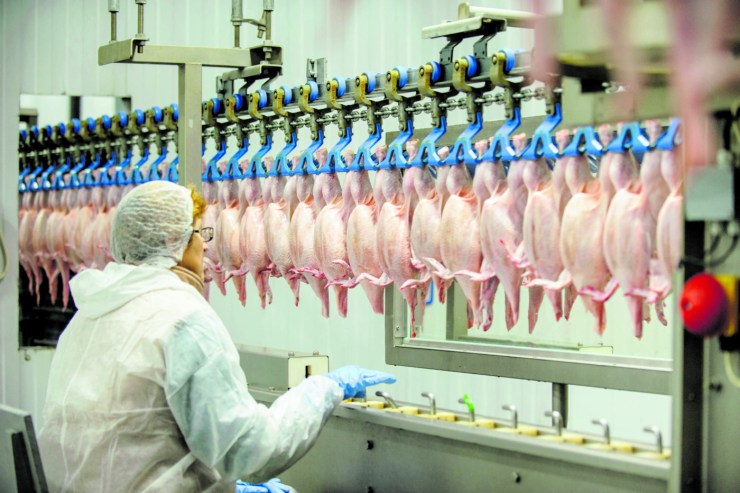
Despite holding the third position in the national ranking of tilapia production, Minas Gerais is still outside the map of fish exports. The obstacle is not in farming, but in the industrial stage: the state does not yet have certified processing plants to meet the sanitary requirements of international trade.

President of the Association of Aquaculture Producers and Specialized Companies of the State of Minas Gerais (Peixe MG), Pedro Rivelli: “There are two or three companies working on this certification process, because it is a huge demand for the development of the chain in the state, but, until now, Minas Gerais is not an exporter” – Photo: Personal archive
According to data from the Brazilian Aquaculture Association (Peixe BR), tilapia production in Minas Gerais is advancing at a consistent pace, mainly supported by small and medium-sized producers. However, the lack of certified processing units forces the sector to seek alternatives outside the state borders. “Tilapia production in Minas Gerais is one of the largest in the country, but it is fragmented. There are independent producers, small processing plants, a lot of family farming, and today we don't have a single processing plant certified for export,” says the president of the Association of Aquaculture Producers and Specialized Companies of the State of Minas Gerais (Peixe MG), Pedro Rivelli, adding: “There are two or three companies working on this certification process, because it is a huge demand for the development of the chain in the state, but, so far, Minas Gerais is not an exporter.”
In practice, a significant portion of fish from Minas Gerais needs to be sent to other states for industrial processing. Paraná and São Paulo, national leaders in tilapia production and export, concentrate a good part of this flow, but processing plants in Santa Catarina, Ceará, Mato Grosso do Sul, Rio Grande do Norte, and Rio de Janeiro also absorb the raw material produced in Minas Gerais.
From an institutional standpoint, the Minas Gerais State Secretariat of Agriculture, Livestock and Supply (Seapa-MG) acknowledges the challenge and states that it is working to structure the supply chain. In a statement, the department informs that it is working with the “central objective of professionalizing the fish production chain, promoting the integration of its various links – inputs, production, processing and marketing – through organization into local production arrangements.” Even so, there is no official forecast for the start of tilapia exports from the state.

Photo: Jonathan Campos
While Minas Gerais tries to overcome internal bottlenecks, the external scenario has also become more adverse for Brazilian tilapia farming. In 2025, the country exported 15,100 tons of tilapia, a volume 8.51% lower than that recorded in 2024, when sales totaled 16,500 tons, according to data from the Secretariat of Foreign Trade (Secex). Revenue followed the trend and fell by 4%, from US$59.8 million to US$55.6 million during the period.
The drop occurred mainly in the second half of the year, after the United States imposed surcharges of 40% on Brazilian products. The United States is by far the main destination for Brazilian tilapia, accounting for approximately 90% of exports. And even with the announcement in November of the removal of a large part of the tariffs on Brazilian products, tilapia was not included, a situation that remains to this day.
Rivelli adds that the domestic market also influenced the reduction in exports. “The drop has two major factors. The price of fish rose in the domestic market, and we had the tariff increase, which froze sales from the middle of the year, precisely during the main period for foreign purchases,” he points out.
Even in the face of current difficulties, the sector maintains optimistic prospects in the medium and long term. Rivelli highlights that tilapia

Photo: Shutterstock
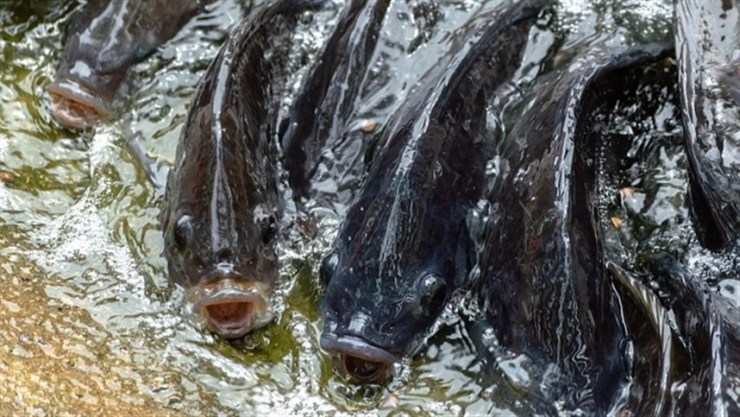
It was the animal protein that grew the most in the country in the last decade, and Brazil already occupies the fourth position in the world ranking of production. "In the last 10 years, it is the protein that has grown the most in national production. Brazil is currently the fourth largest producer in the world, with the potential to become the second by 2030 and, further ahead, assume global leadership," he projects.
For Minas Gerais, the challenge lies in transforming volume into competitiveness, with investments in industrialization and access to international markets.