EN
EN  PT_BR
PT_BR 
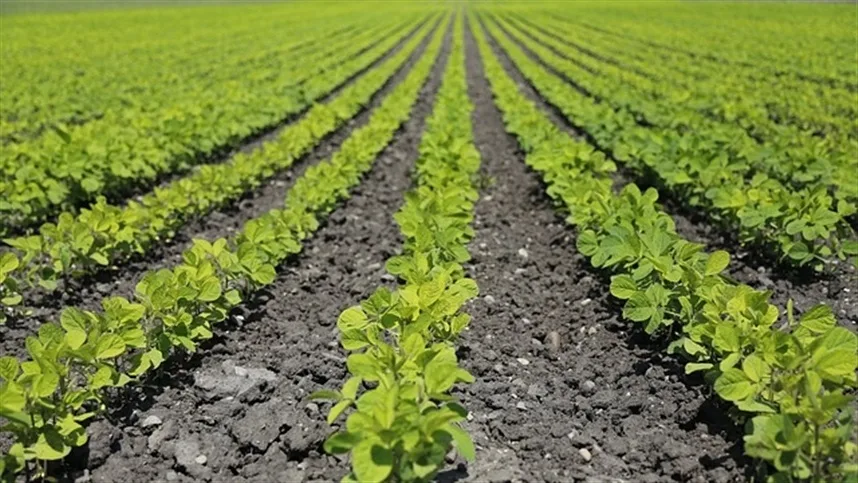
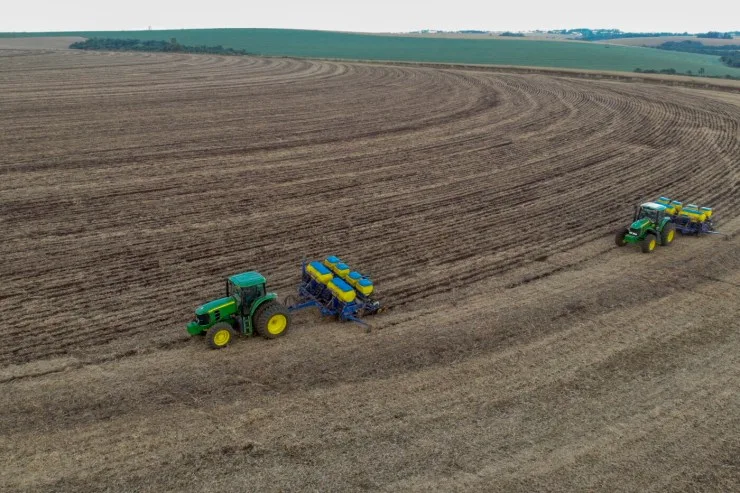
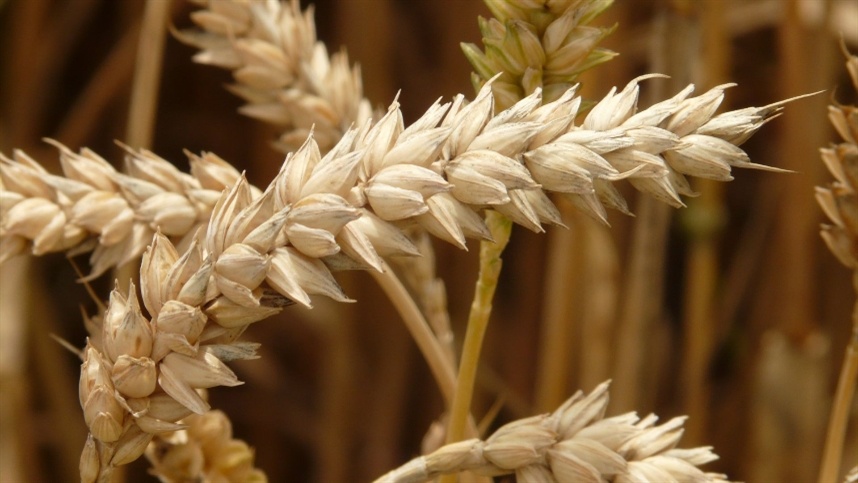
The planting of second-crop wheat, known as off-season wheat or rainfed wheat, begins in early March in the Cerrado region of Central Brazil. The crop is usually sown immediately after the soybean harvest and takes advantage of the last rains of the season to develop without the need for irrigation.
The system has been adopted by producers in the region because it requires relatively low investment and allows for the use of areas that would otherwise remain fallow. Furthermore, wheat helps to diversify production and break the cycle of pests and diseases in crops.
Even with a projected reduction in the country's wheat acreage, according to the February 2026 Grain Crop Bulletin from [source missing]. National Supply CompanyProducers in the Cerrado region are optimistic about the crop after the good results recorded last year. The expectation is for the planted area to remain the same or even increase slightly.
In 2025, approximately 290,000 hectares were cultivated with wheat in the states of Minas Gerais, Bahia, Goiás, Mato Grosso, and the Federal District, with more than 80% of that area being rainfed wheat. In Goiás, the estimate for this year is between 80,000 and 90,000 hectares planted.

Photo: Fábio Carvalho
In the region, cultivation generally occurs using a no-till system, in succession to soybeans and in rotation with corn and sorghum. This practice contributes to crop diversification and the management of resistant weeds, in addition to leaving crop residue on the soil for the next summer crop.
Another characteristic of wheat production in the Cerrado region is the calendar. Because sowing occurs earlier than in other wheat-growing regions of the country, wheat cultivated in Central Brazil is usually the first to be harvested in the national cycle. The harvest takes place between June and July, a dry period that favors the quality of the grains.
Yields in the region's crops average between 35 and 85 sacks per hectare in years with average rainfall. This performance has encouraged producers to maintain or expand cultivation.
For planting dryland wheat, it is recommended that the areas have an altitude equal to or greater than 800 meters. It is also important to carry out soil analysis and correction, as well as avoid compaction to promote root development.
Sowing can be done throughout March, depending on the rainfall pattern. In areas where rainfall ends earlier, the recommendation is to bring forward planting to the beginning of the month. Staggering sowing and using cultivars with different cycles are strategies used to reduce climate risks.
Among the options available for cultivation in the region are cultivars developed by Embrapalike the BRS Savana, launched at the end of 2025, and the BRS 404, both adapted to rainfed systems in tropical environments. These varieties have an early cycle and yield potential that can reach around 80 sacks per hectare under favorable conditions.