EN
EN  PT_BR
PT_BR 
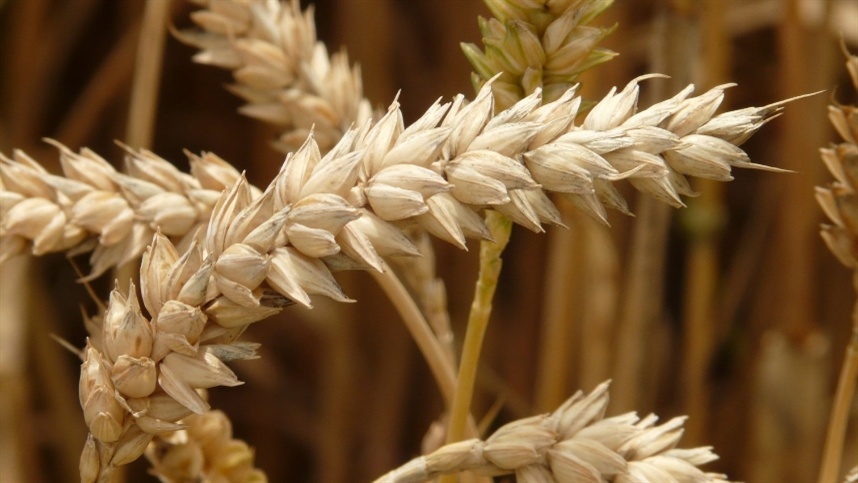
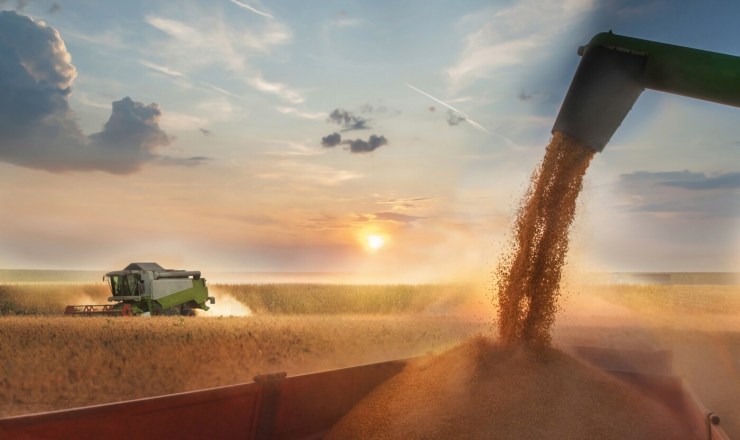
Wheat harvesting in Rio Grande do Sul reached 9% of the planted area, but progresses irregularly due to rain, which is harming productivity and grain quality in the 2026 crop. According to data released by Emater/RS-Ascar in the Conjunctural Report this Thursday (8), excess moisture, low solar radiation and storms increase the risks of losses and drying costs. The projected area for the crop in the State is 814,220 hectares, with an estimated average productivity of 2,701 kilos per hectare. In several regions, assessments indicate reduced yield, while crops with better management and less affected by the weather still maintain satisfactory productive potential.
The harvest is progressing with interruptions caused by rainfall. To standardize ripening and expedite grain removal, producers have used crop desiccation. However, harvesting with higher moisture content increases operational costs in processing and drying facilities.
According to data released by Emater/RS-Ascar, approximately 501% of the crops are in the reproductive phase, while 401% are close to harvest. In areas where grains are filling, excessive rain, persistent air humidity, and low availability of solar radiation are harming grain formation, negatively impacting yield and quality.
In fields nearing harvest, straw discoloration and grain wrinkling increase the risk of reduced hectoliter weight (HLW) and other commercial parameters. In later-cycle areas, climatic conditions restrict phytosanitary control operations and favor an increase in diseases such as Fusarium head blight, blast, and bacterial diseases.
The storms, with hail and strong winds, also caused lodging of plants, broken ears of corn, and threshing, mainly in the Northwest region. Affected producers are activating the Agricultural Activity Guarantee Program (Proagro) and private agricultural insurance. Inspections are ongoing to assess the damage.
In the Bagé administrative region, on the Western Border, harvesting is progressing in small areas and showing variable results. In Itaqui, yields are between 1,200 and 1,500 kilograms per hectare, below initial estimates. According to data released by Emater/RS-Ascar, low solar radiation throughout the cycle and excess moisture hampered crop development and favored the incidence of blast disease. In São Borja, 5% of the 16,000 hectares cultivated were harvested. Initial assessments indicate productivity within expectations and satisfactory hectoliter weight, although areas still exposed to rainfall remain at risk of productive and qualitative losses.
In the Caxias do Sul region, in the Campos de Cima da Serra, crops are entering the reproductive phase under conditions favorable to the occurrence of Fusarium head blight. Rainy weather hinders access for machinery and limits preventive fungicide applications. The yield outlook remains within normal limits, contingent on weather conditions for the remainder of October and the beginning of November.
In the Frederico Westphalen region, 40% of the crops are in the grain-filling stage, 5% are maturing, and 10% have already been harvested. Excessive rainfall and the incidence of Fusarium head blight and blast are compromising productivity and quality. The estimated yield is 2,500 kilograms per hectare.
In Ijuí, the prolonged period of high humidity and low sunlight hampered grain filling and maturation. These conditions limited the formation of reserves and reduced the final weight. Estimated productivity is slightly above 2,400 kilograms per hectare, but the risk of further losses in weight and quality persists. There has also been an increase in reports of plants with symptoms of bacterial blight and premature death before the completion of grain filling.
In the Santa Maria region, 50% of the crops are in the grain-filling stage and 40% are in physiological maturity. Intense rains accompanied by wind and hail, recorded at the end of September and the beginning of October, are expected to reduce yields. The current estimate is approximately 2,500 kilograms per hectare.
In the Santa Rosa region, 1% of the crops are in bloom, 33% are in grain filling, 53% are maturing, and 13% have already been harvested. Storms with hail and strong winds caused lodging, broken ears of corn, and shattering, especially in mature areas or those nearing harvest. According to data released by Emater/RS-Ascar, producers are concerned about the reduction in hectoliter weight and drying costs. In the affected areas, Proagro and private insurance have been activated, while inspections continue to assess the extent of the damage.
In the Soledade region, 65% of the crops are in the grain-filling stage and 35% are beginning physiological maturity. Phytosanitary management is in its final stages in the later-maturing areas. The productive potential varies according to the level of technology employed: crops with more intensive management show good prospects, while areas with less investment tend to register lower productivity.
In addition to the climate challenges, producers are monitoring the evolution of wheat prices. According to data released by Emater/RS-Ascar in its weekly price survey, the average state price of a 60-kilogram sack, with a standard PH of 78, fell by 0.43%, from R$ 74.47 to R$ 74.15. At the Cruz Alta Grain Exchange, available wheat is quoted at R$ 85.00 per 60-kilogram sack.
With the harvest still in its early stages and some crops exposed to continued rainfall, the outcome of the 2026 crop will depend on the evolution of weather conditions, grain quality, and the ability to proceed with field operations. Monitoring losses and drying costs will be important to assess the effects on the profitability of wheat farmers in Rio Grande do Sul.