EN
EN  PT_BR
PT_BR 
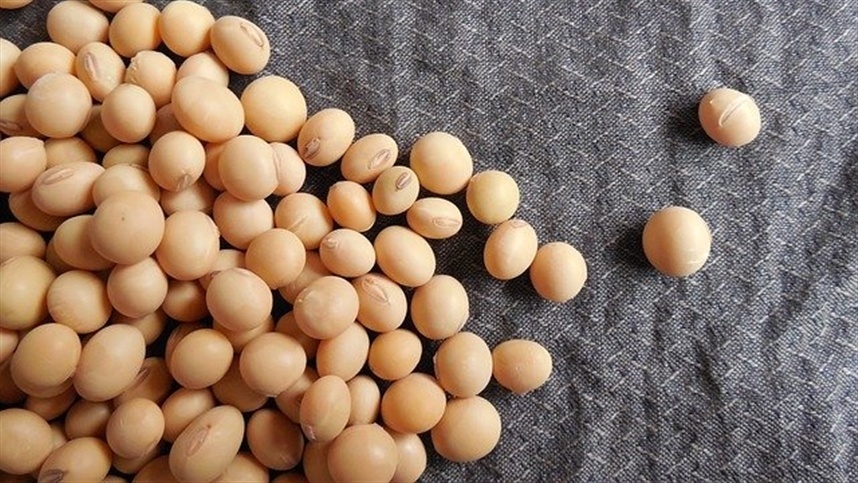
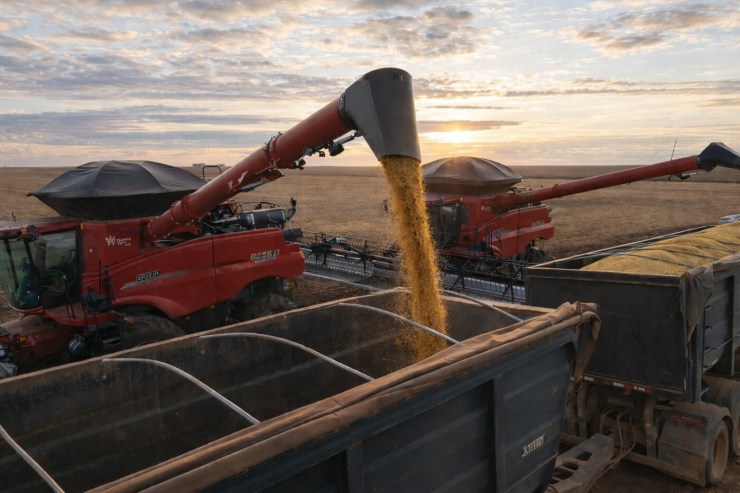
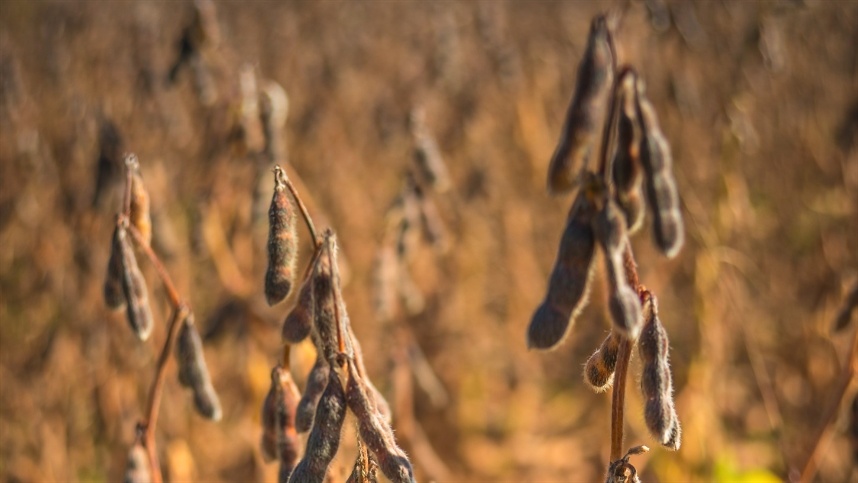
Paraguay's 2025/26 soybean crop was revised upwards this March, according to StoneX estimates, consolidating a new production record despite some yield losses recorded at the end of the harvest. With over 90% of the area already harvested in the Southern and Northern regions of the Eastern Region, the total volume of the bumper crop will not be affected.
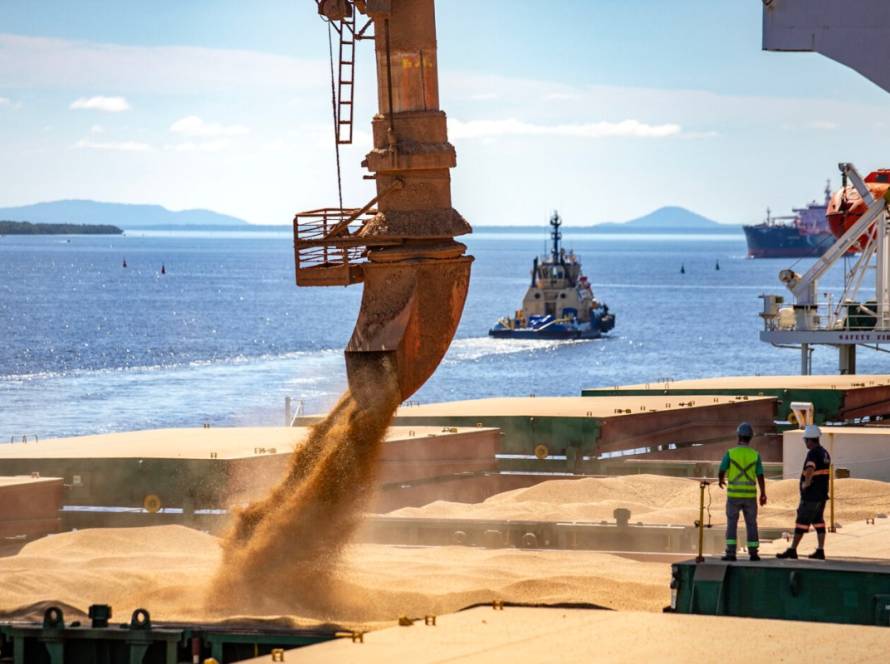
The losses occurred mainly in areas harvested later, impacted by a period of intense heat in the last weeks of February, especially in the south of the country. Even so, the high flow of grains to the ports, even in the final stage of the harvest when there is normally a slowdown, reinforced the reading of a volume higher than initially estimated.
As a result, production was revised upwards in the departments of Alto Paraná, Itapúa, Caaguazú, Guairá, Caazapá, Canindeyú, and San Pedro. The main crop increased from 10.14 million to 10.41 million tons, a rise of 2.71 TP4T compared to the February report. If the second soybean crop reaches 1.39 million tons, the total production for the cycle will reach 11.80 million tons, an increase of 2.41 TP4T over last month.

Record supply in Paraguay, coupled with high Brazilian volumes, is already putting pressure on the market. In Asunción, the basis fell from US$ -24 in December 2025 to US$ -65 in early March 2026. Sales of the crop are progressing towards nearly 50%, driven by logistical constraints, lack of silo space, and financial commitments concentrated at the end of the first quarter. To date, 48.2% of the 25/26 soybean crop has already been sold.
Competition for land in the off-season crop
The definition of the areas for the second cycle gains relevance in the coming weeks, with increasing competition between second-crop soybeans, corn, and wheat. Corn remains more concentrated in the north of the country, while second-crop soybeans have a greater presence in the south. Wheat remains predominantly in the south, with occasional expansion into the center and north.
The shorter planting window, the risk of frost in the south, the combination of drought and heat in the north, and the higher costs of corn have influenced producers' decisions. In this scenario, second-crop soybeans tend to gain ground in some regions, while corn maintains a relatively stable area. March conditions will be decisive for the final definition of land use in the second cycle.