EN
EN  PT_BR
PT_BR 
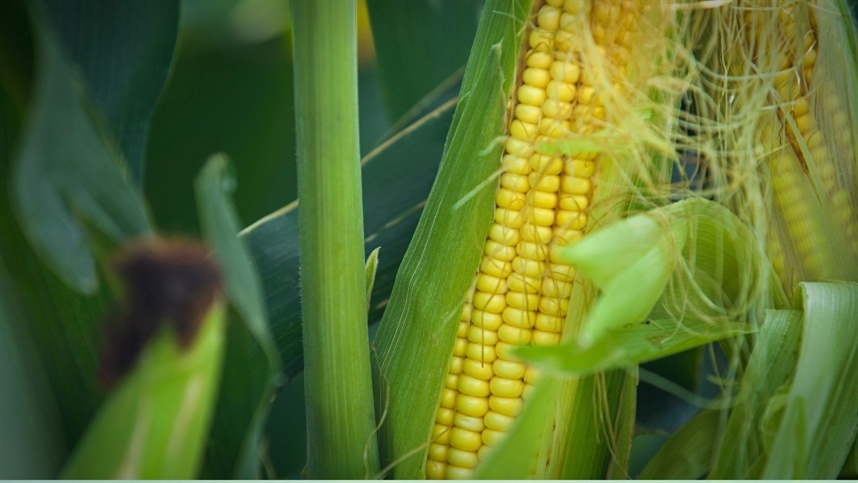
The gross value of corn production grew by 30.47% in 2025, driven by a 22.18% increase in production and a 6.78% rise in prices compared to 2024. This performance reflects a combination of expanded cultivated area, productivity gains, and variations in market behavior throughout the year, according to data from the National Supply Company (Conab) and the Center for Advanced Studies in Applied Economics (Cepea).

Photo: Jaelson Lucas
Production was boosted primarily by the second harvest, which accounted for the largest volume and showed higher productivity than initial estimates and the previous cycle in the main producing states. The result was favored by favorable weather conditions and the intensive use of technology in the field.
In the first harvest, production growth occurred even with a reduction in planted area, which reached the lowest level in the historical series that began in 1976/77. The increase was sustained by the rise in average crop yields.
The third crop also showed growth, despite a reduction in planted area. This performance was favored by the good development of the crops, boosted by the rains recorded in August. This stage occurs between April and June and is concentrated in the Northeast, with a presence in states such as Maranhão, Pernambuco, Alagoas, Sergipe, and Bahia, as well as a smaller share in the North. Although it represents a small portion of national production, the third crop is gaining importance in the Northeast region.
In the market, prices showed distinct movements throughout 2025. In the first quarter, prices rose sharply,

Photo: Shutterstock
Driven by strong demand and low availability of the grain, the prioritization of deliveries on forward contracts, logistical difficulties, high transportation costs, and limited stocks contributed to sustaining this scenario.
In the second quarter, prices began to decline, pressured by increased supply as the summer harvest progressed and the second crop began. The appreciation of the real against the dollar, the fall in external prices, and the more cautious stance of buyers reinforced the downward trend.
In the third quarter, a moderate downward trend prevailed, influenced by reduced consumer spending, the progress of the second crop harvest, and the slower pace of exports. From the second half of August onwards, prices reacted to the reduction in immediate supply, while September saw only occasional variations.
In the fourth quarter, prices rose again in the domestic market. The reluctance of sellers, focused on field activities and planting the summer crop, limited supply in the spot market. At the same time, buyers returned to negotiations to replenish stocks, in a context of firmer international prices and a good pace of exports, which supported prices until the end of the year.