EN
EN  PT_BR
PT_BR 
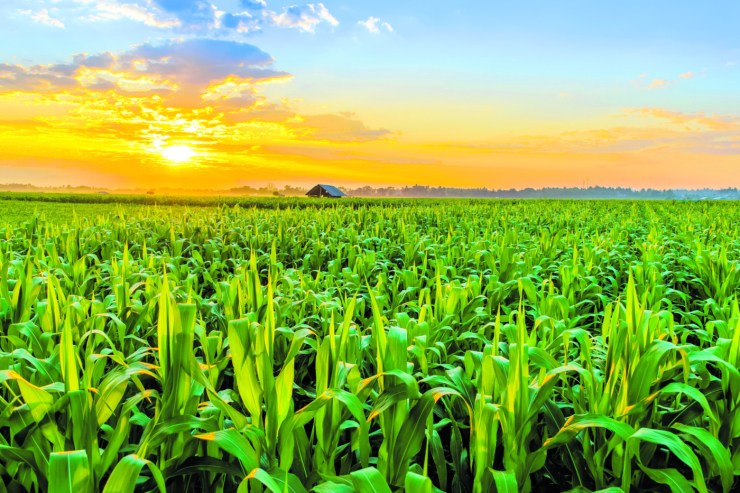
Second-crop corn fields in Paraná maintain a favorable scenario, although the weather conditions of the last few weeks require attention from producers. A survey released by the Department of Rural Economy (Deral), of the State Secretariat of Agriculture and Supply (Seab), shows that 79% of the cultivated area presents good development conditions.

Photo: Disclosure
According to economic bulletin According to Deral, of the 2.9 million hectares planted in the 2025/26 crop season, another 14% of the crops are in a condition considered average and 7% are in a poor condition.
According to market analyst Edmar Wardensk Gervásio from Seab, the general expectation is still for a good harvest in the state. However, recent weather patterns may limit some of the productive potential of the crops. "The scenario remains positive, but the occurrence of more cloudy days and lower temperatures could reduce the average productivity of Paraná's crops," the analyst notes in the bulletin.
Frosts remain a major concern.
Currently, the main risk factor for the second crop continues to be the possibility of frost, especially for areas that are still in more sensitive stages of development.
Despite this concern, the weather data brings relief to producers. According to Deral, the extended forecast from the Paraná Environmental Technology and Monitoring System...

Photo: Disclosure
(Simepar) does not indicate any occurrence of frost in the next 14 days.
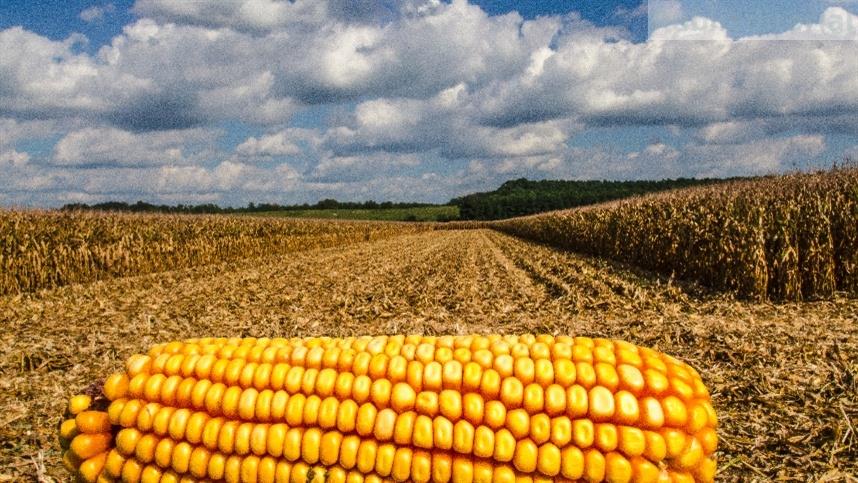
The advancement of the crop cycle also contributes to reducing the vulnerability of the harvest. Currently, 171% of cultivated areas have already entered the maturation phase, a stage in which the risk of losses caused by frost is considered very low.
On the other hand, 83% of the crops remain susceptible to potential damage caused by intense cold. Even so, with no frost forecast and the natural progression of plant development, the trend is that a growing portion of these areas will reach maturity in the coming weeks and be out of the risk zone.
Production remains dependent on weather conditions.
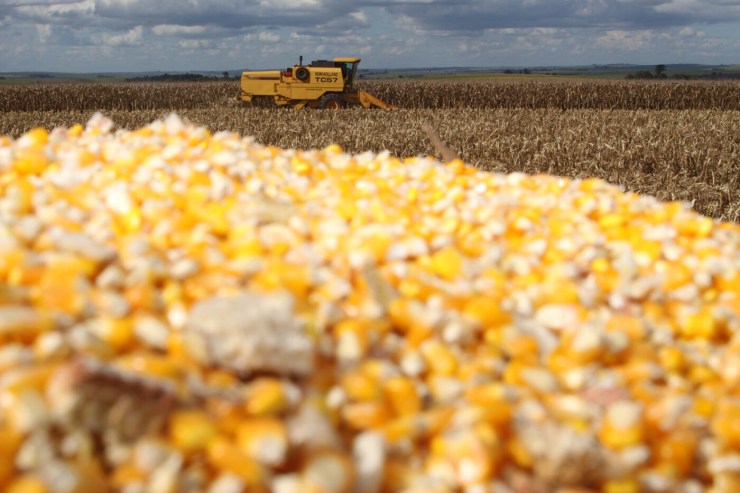
Second-crop corn occupies an area of 2.9 million hectares in Paraná and represents one of the main crops in the state's agribusiness. In addition to its importance for exports, production is strategic for supplying animal protein chains, especially poultry and swine.
Although the current situation is considered favorable, the final performance of the harvest will depend on weather patterns in the coming weeks, a crucial period for determining productivity in a significant portion of the areas still under development.