EN
EN  PT_BR
PT_BR 
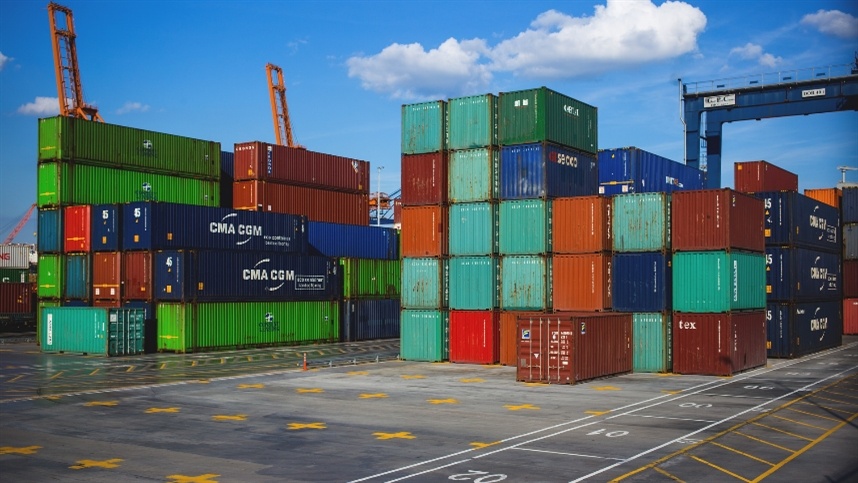
Brazil's trade balance recorded a surplus of US$ 3.05 billion up to the second week of August 2026, up 7% compared to the same period in 2025. According to data released by the Ministry of Development, Industry, Trade and Services (MDIC) this Monday (17), exports advanced 14.3%, while imports grew 16.2%.
Through the second week of August, exports totaled US$16.09 billion and imports reached US$13.05 billion. The trade flow also increased by 15.11%, to US$29.14 billion, according to data released by the MDIC (Ministry of Development, Industry and Foreign Trade).
In the period from January to the second week of August, performance was also positive. Exports grew by 10.51% of the time (TIP4T), to US$234.64 billion, while imports increased by 6.11% of the time (TIP4T), reaching US$182.56 billion.
With these results, the trade balance accumulated a surplus of US$52.08 billion, an increase of 29.21%. The trade flow reached US$417.20 billion, a growth of 8.51, according to data released by the MDIC (Ministry of Development, Industry and Foreign Trade).
Brazilian exports gain momentum.
Among the exporting sectors, agriculture registered growth of 10.41% up to the second week of August, generating US$3.49 billion. The extractive industry advanced 27.8%, to US$4.36 billion, while the manufacturing industry grew 8.8%, reaching US$8.08 billion.
In the agricultural sector, some products experienced strong growth in foreign sales. According to data released by the MDIC (Ministry of Development, Industry and Foreign Trade), exports of live animals, excluding fish and crustaceans, grew by 180.71% of the total export volume. coffee Untoasted exports advanced 22%, while exports of soy They increased by 13.2% compared to August 2025.
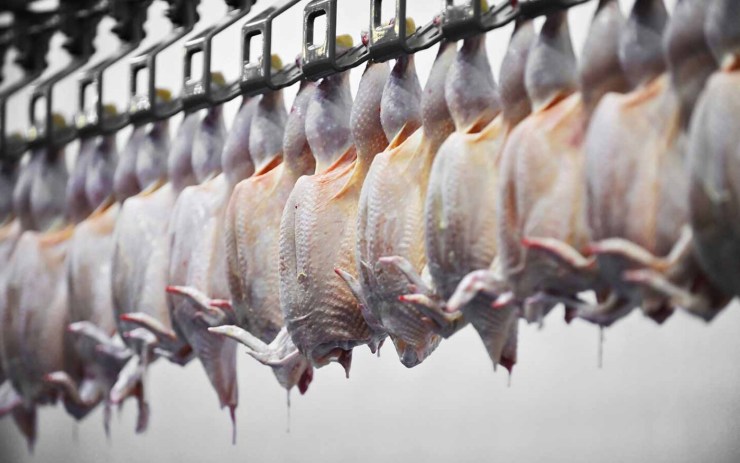
In the extractive industry, copper ores and their concentrates stood out, with sales growing by 289.51% of the total per capita (TP4T). Precious metal ores and their concentrates saw an increase of 1,410.81% of the total per capita (TP4T). Exports of crude petroleum oils or bituminous minerals also grew, with an advance of 32.31% of the total per capita (TP4T). In the manufacturing industry, external sales of poultry meat and edible offal, fresh, chilled or frozen, increased by 48.11% of the total per capita (TP4T).
Shipments of soybean meal and other animal feed, as well as meat and other animal meal, grew by 55.81 TP4T. Meanwhile, semi-finished products, ingots, and other primary forms of iron or steel advanced by 91.51 TP4T.
Despite overall growth, some agricultural products showed a decline. According to data released by the MDIC (Ministry of Development, Industry and Foreign Trade), exports of corn Unground oilseed exports fell 25.61% of the time, while natural honey exports dropped 32.91%. External sales of oilseeds... sunflowersesame, canola, cotton and others recorded a drop of 42%.
Imports advance along with the manufacturing industry.
On the import side, agriculture showed a decrease of 5.31% of the total export value (TP4T), to US$200 million, up to the second week of August. The extractive industry declined by 13.5% of the total export value (TP4T), to US$720 million.
Conversely, the manufacturing industry registered growth of 19%, reaching US$12.05 billion. According to data released by the MDIC (Ministry of Development, Industry and Foreign Trade), this performance contributed to the increase in imports during the period.
In agriculture, external purchases of whole live, dead, or chilled fish increased by 24.11% of the total. Imports of fresh or chilled horticultural products advanced by 74.41%. There was also an increase of 110.41% of the total in purchases of other oilseeds such as copra or flaxseed.
In the extractive industry, the highlight was iron ore and its concentrates, with an increase of 6,916,701.8% in imports. Purchases of coal, even in powder form but not agglomerated, increased by 19.4%.
Imports of crude petroleum oils or bituminous minerals grew by 20.7%. In the manufacturing industry, fuel oils from petroleum or bituminous minerals, excluding crude oils, increased by 82.3%. Purchases of medicines and pharmaceutical products, excluding veterinary products, increased by 56.2%. Imports of thermionic valves and tubes, cold cathode or photocathode valves, diodes and transistors grew by 88%.
Agricultural products experience a drop in foreign purchases.
Despite the growth in total imports, some products registered a reduction. In agriculture, external purchases of wheat Imports of unmilled rye and other grains fell by 8.21% of the national average for the fourth quarter of the year. Imports of fresh or dried fruits and non-oilseed nuts decreased by 35.81% of the national average for the fourth quarter of the year, while soybean imports decreased by 8.71% of the national average for the fourth quarter of the year, according to data released by the MDIC (Ministry of Development, Industry and Foreign Trade).
In the extractive industry, imports of raw fertilizers, excluding manures, fell by 65.71 TP4T. Stone, sand and gravel decreased by 7.71 TP4T, while purchases of natural gas, liquefied or not, decreased by 62.51 TP4T. In the manufacturing industry, imports of fertilizers or chemical fertilizers, excluding raw fertilizers, fell by 27.31 TP4T.
Also declining were external purchases of iron or steel products and other articles of base metals, down 23.9%, and of non-electric motors and machinery and their parts, except piston engines and generators, down 71.6%.
Data shows that, up to the second week of August, Brazil maintained a positive balance in foreign trade, with export growth exceeding the accumulated growth of imports and a significant increase in the trade surplus for the year.