EN
EN  PT_BR
PT_BR 

The good performance of the crop of cotton It depends on a sequence of decisions that begins before planting and continues after harvesting. Area planning, soil preparation, cultivar selection, pest and disease control, nutrition, and harvest quality are all part of a management process that needs to be monitored at each stage of the crop.
In the initial months of planning, attention is focused on choosing the areas, analyzing the history of pests and diseases, defining the cultivars, and organizing machinery and inputs. Soil analysis also guides decisions regarding fertilization, liming, and, when necessary, the application of agricultural gypsum.
Planting requires well-prepared soil and equipment.
Before sowing, it is important to check and calibrate the machinery, organize seeds and fertilizers, and monitor soil moisture conditions.
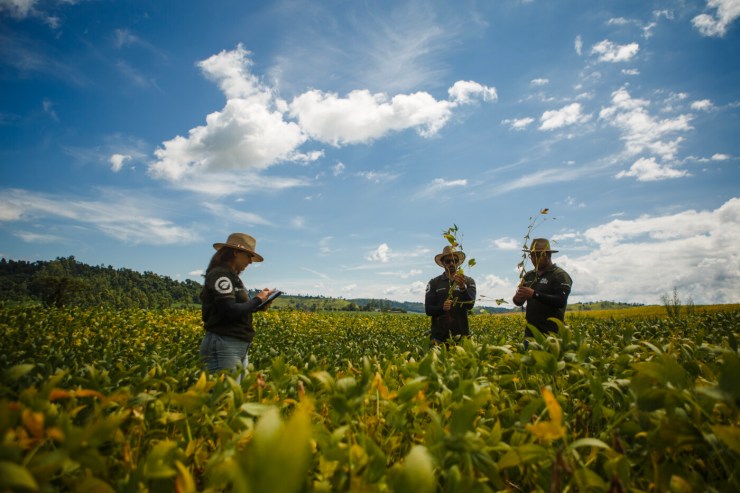
After planting, plant emergence should be closely monitored. Failures in plant stand may be related to problems such as lack or excess of water, pest infestation, or unsuitable soil conditions.
Early weed control is also important to prevent competition for water and nutrients.
Pests and diseases are gaining attention with growth.
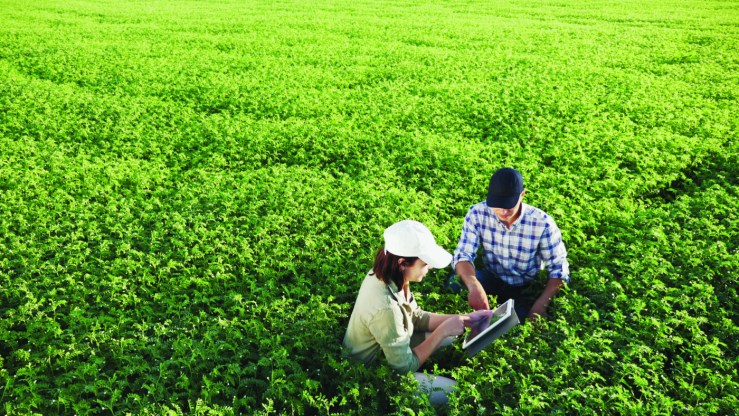
As the development of the crop progresses, the need for monitoring increases.
Aphids, thrips, caterpillars, boll weevils, and stink bugs are among the pests mentioned in the material. Control should follow the principles of Integrated Pest Management (IPM), with monitoring of the crop and interventions only when necessary.
During the flowering and apple formation period, care increases because losses of reproductive structures can directly compromise productivity. Foliar diseases also need to be monitored to preserve the leaves responsible for apple filling.
Harvesting affects fiber quality.
During the maturation phase, management focuses on crop uniformity and preparation for harvest. When technically indicated, defoliants and ripening agents can be used to facilitate the operation.
The timing of the harvest also needs to be well defined. Adjusting the harvesters, maintaining adequate moisture, and reducing impurities help preserve the quality of the cotton fiber.
After the cotton is harvested from the field, transportation and processing also require care to avoid contamination, deterioration, and damage to the fiber.
Management continues after harvest.
The end of the harvest season is also part of the planning.
Destroying crop residues and volunteer plants helps interrupt the pest cycle, especially that of the cotton boll weevil. Crop rotation, the use of cover crops, and a new analysis of crop results help in preparing for the next cycle.
The technical calendar therefore serves as a guide for organizing the main operations throughout the cycle. However, the dates should not be used in a fixed way. It is necessary to consider the region, climate, production system, cultivar, and local technical recommendations.