EN
EN  PT_BR
PT_BR 
The clash between Brazil and Japan in the World Cup also highlights a strategic route for Mato Grosso's agribusiness. The Brazilian National Team faces the Japanese next Monday (29), at 1 pm Mato Grosso time, for the second phase of the World Cup, in Houston, United States. Off the field, the duel draws attention to an already consolidated commercial relationship in the soybean complex and to a possible new frontier with beef.
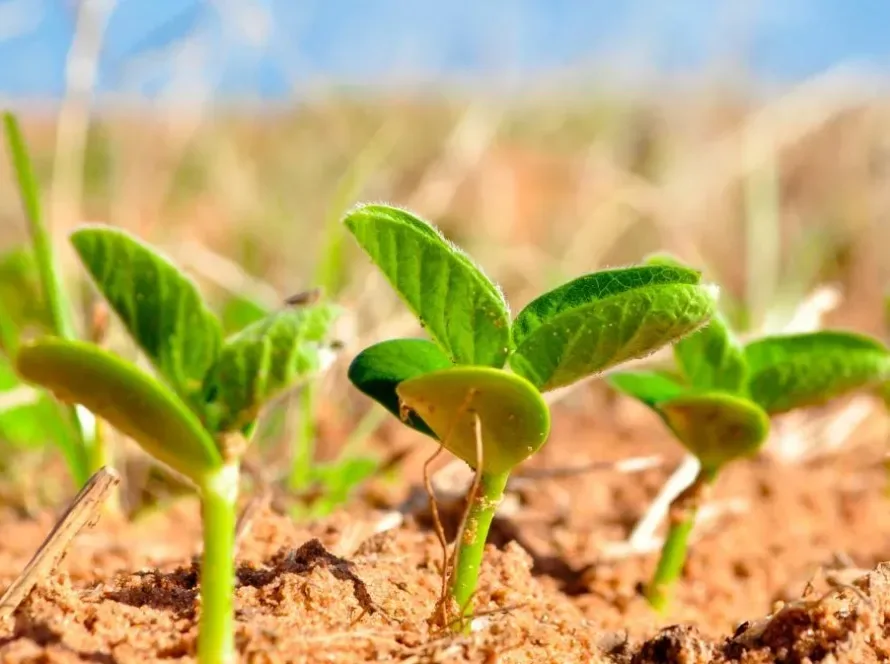
According to consolidated data from 2025 from the Secretariat of Foreign Trade (Secex), compiled by the Mato Grosso Institute of Agricultural Economics (Imea), Mato Grosso exported 311,940 tons of soybean meal to Japan, generating revenue of US$105.35 million. During the same period, sales of soybeans totaled 223,400 tons, generating US$88.61 million.
Together, the two products accounted for 535,340 tons shipped from Mato Grosso to the Japanese market, with total revenue of US$193.96 million. This performance confirms the soybean complex as the main direct link between the Mato Grosso countryside and the next opponent of the Brazilian national team.
The trade relationship reinforces Mato Grosso's presence in demanding, high-income markets with a strong demand for food security. Although recognized worldwide for its technology and automotive industries, Japan depends on imports to supply part of its food, animal feed, and protein chains.
In the trade agenda between Brazil and Japan, business goes beyond Mato Grosso's agricultural sector. In 2025, according to data from Imea/Secex, Brazil exported 12.63 million tons of iron ore to the Asian country, generating revenue of US$960 million. Coffee sales totaled 150,000 tons and generated US$1.03 billion. Conversely, Brazilian imports of automotive parts and accessories totaled 95,780 tons, with a value of US$1.15 billion.
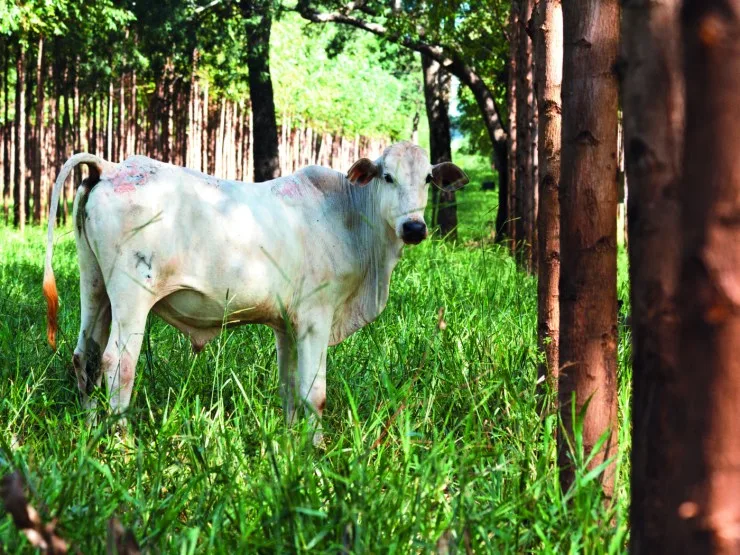
The main opportunity on the horizon, however, lies in a protein that is not yet present in Brazilian exports to Japan: beef. The Brazilian government, the Mato Grosso Federation of Agriculture and Livestock (Famato), and the export industry are working to open the Japanese market to the national product, in a negotiation considered strategic by the sector.
“Japan is treated as a premium destination, with high sanitary requirements and greater added value. Currently, Japanese beef imports are concentrated in traditional suppliers, such as the United States and Australia,” says Cleiton Gauer, superintendent of Imea.
For Brazil, the world's largest exporter of protein, accessing this market would mean more than just increasing volume. “Entering the Japanese market would represent a seal of quality and safety in one of the world's most rigorous consumer markets. For Mato Grosso, home to the country's largest cattle herd and one of the main national meat exporters, this opening would create a concrete possibility for commercial diversification and product valorization,” says Cleiton.
The negotiations gained momentum after Brazil was recognized as a country free of foot-and-mouth disease without vaccination, a sanitary condition considered essential for advancing in more restrictive markets. Japan also scheduled an audit of the Brazilian sanitary system, a necessary step to assess the eventual opening of its market to Brazilian beef.
Off-field economics
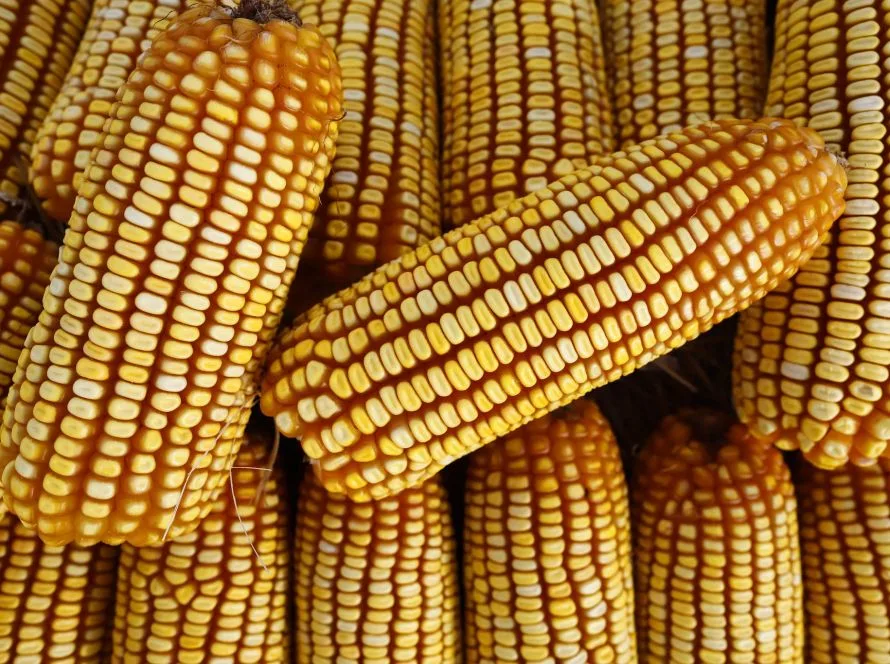
Brazil's participation in the World Cup has also helped to reveal commercial connections that extend far beyond the playing field. In the opening match against Morocco, the highlight was corn from Mato Grosso, as the African country is one of the buyers of the grain produced in the state. In the games against Haiti and Scotland, this relationship appeared in a more discreet way.
Compared to Japan, the scenario changes, since soybeans are currently the main commercial link between Mato Grosso and the Japanese market, but it is beef that is generating the greatest expectations for the coming years.
For Mato Grosso's agribusiness, accessing markets like the Japanese one represents entering a more qualified competition, marked by demanding buyers, higher added value, and strict sanitary regulations. Therefore, through Famato, producers in the state closely monitor opportunities to expand their international presence, not only through export volume but also through product quality and the trust built with the most selective markets.