EN
EN  PT_BR
PT_BR 
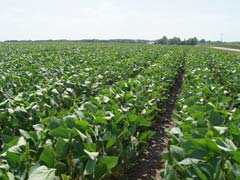
An area equivalent to 5,868 football fields is undergoing environmental regeneration in Mato Grosso, driven by the Reintegration and Monitoring Program (Prem) of the Mato Grosso Institute of Meat (Imac). More than just legal compliance, regenerating illegally deforested areas also means returning to the market.
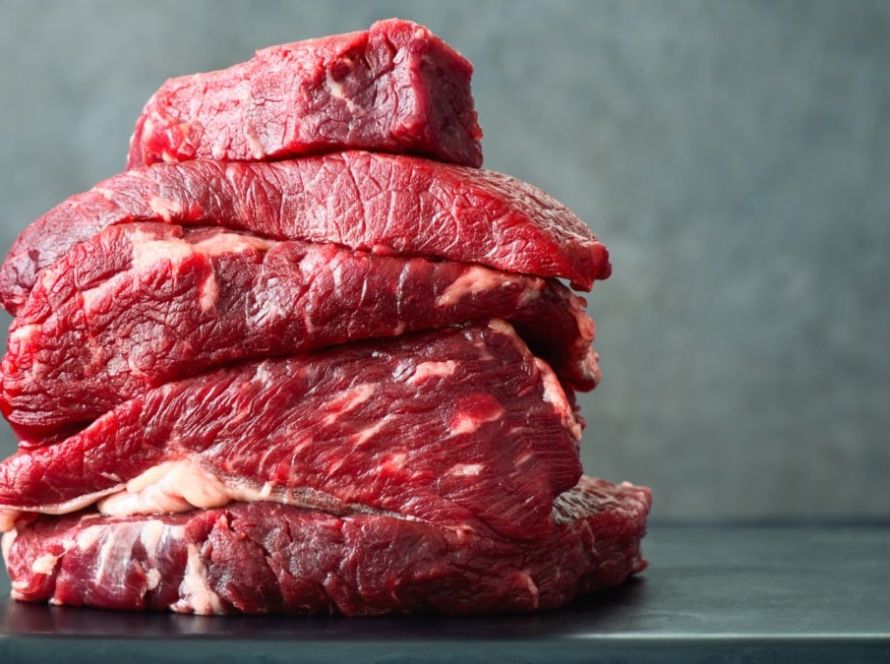
In the farms monitored by Prem alone, the projection is that R$ 921.2 million will return to the formal production chain, money that was previously tied up because the properties were prohibited from selling their livestock due to environmental liabilities. “For the sector, environmental liabilities mean a direct block to commercialization. Properties with irregular deforestation registered in the Prodes system or with embargoes are prevented from selling to slaughterhouses that supply large retail chains and exporters, for example. By regularizing these areas, Prem reconnects the producer to the formal market,” explains the president of Imac, Caio Penido.

Photo: Gabriel Faria
Created in 2022, the program has experienced rapid growth. In four years, it went from four to 167 unlocked livestock farmers, an advance that reflects the growing demand for regularization and access to markets. Currently, Prem monitors 381,173 hectares, an area equivalent to about 2.5 times the size of the city of São Paulo, and tracks the active regeneration of 4,190 hectares of native vegetation.
Integrated into the broader strategy for the sustainability of livestock farming in Mato Grosso, Prem is the main tool of the Green Passport, a policy that seeks to promote socio-environmental compliance throughout the state's production chain. The initiative offers technical support and ongoing guidance to producers, facilitating compliance with environmental legislation and reintegration into the formal market.

Photo: Arthur Matos
In practice, the advancement of regeneration also reinforces Mato Grosso's position in the international beef trade, where the demand for more sustainable products is growing. “In practice, the regeneration of these areas not only reduces environmental liabilities but also strengthens Mato Grosso's image on the international stage. By transforming previously irregular areas into productive assets, the state is advancing a proven model that combines production and conservation; we certainly have more biodiversity than our competitors,” emphasizes Penido.
The profile of producers who joined the program also highlights its inclusive nature. Large farms represent 38,32% of the participants, followed by small (34,74%) and medium (26,94%) farms. This data indicates that environmental regularization is no longer an issue restricted to large farms and has come to encompass the entire production base, expanding the economic and sustainable reach of livestock farming in Mato Grosso.