EN
EN  PT_BR
PT_BR 
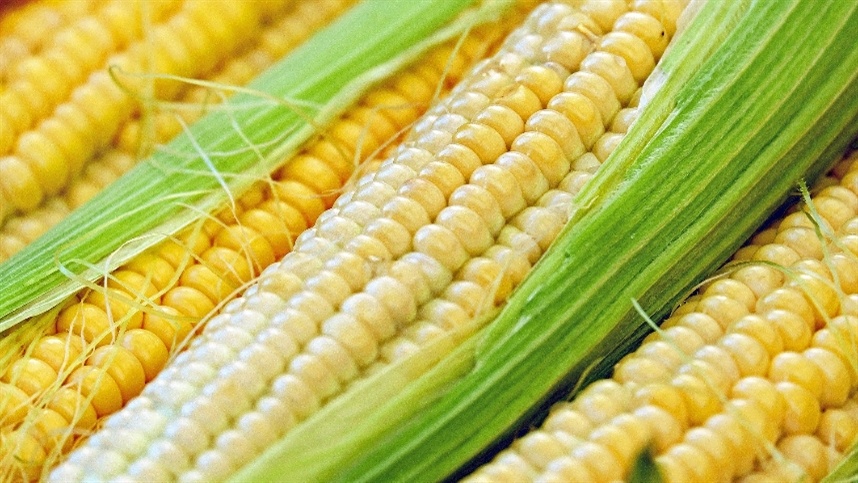
Present in everyday foods such as couscous, cakes, polenta, and hominy, as well as in the production of ethanol and various industrial items, corn takes center stage on this April 24th, International Corn Day. Brazil currently ranks third among the world's largest producers of the grain and is the second largest exporter, with the 2025/26 harvest estimated at 139.5 million tons, according to the National Supply Company (Conab).

Photo: Jaelson Lucas/AEN
Despite its relevance in the foreign market, most of the production remains in the country. About two-thirds of the harvested corn is destined for domestic consumption, while one-third is exported. Of the volume used in the domestic market, almost 601% of the corn used in the domestic market is directed to animal protein production, approximately 22% of the corn used in the production of ethanol, and the remaining 18% of the corn used in the production of different industrial segments.
Corn is also a raw material for a wide variety of products, including biodegradable starch, antibiotics, paints, batteries, soaps, sweeteners, and tires. In the pharmaceutical industry, corn starch is present in the composition of at least 85 types of antibiotics.
Compared to the previous harvest, there was a slight decrease in production, which went from 141 million to 139.5 million tons, according to data from Conab. The current scenario, however, brings new challenges. The conflict in the Middle East has increased the price of urea, an essential fertilizer for the crop, by between 30% and 50%, putting pressure on production costs.

According to Daniel Rosa, technical director of the Brazilian Corn Producers Association (Abramilho), there is no forecast for a reduction in planted area, since a large part of the crop was sown before the price increase. He highlights that Iran accounted for 221% of Brazilian corn exports in 2025 and that the expectation is for the situation to normalize by June, a period in which shipments tend to pick up pace. “We do not foresee a decrease in planted area, as a large part of the corn was sown before the conflict. In exports, Iran accounted for 221% of Brazilian corn sales in 2025, and we expect the situation to normalize by June, when the exported volume tends to intensify,” he states.
In the international market, Brazil is second only to the United States in the production and export of corn. In 2025, the main destinations for Brazilian corn were Iran, Egypt, and Vietnam, according to data from the Ministry of Development, Industry, Trade and Services (MDIC/Comex Stat).
The topic will be debated at the 4th Abramilho Congress, scheduled for May 13th in Brasília. The event is expected to bring together producers, experts, government representatives, and industry leaders to discuss the challenges and prospects of the crop, including innovation, food security, and the geopolitics of agribusiness.