EN
EN  PT_BR
PT_BR 
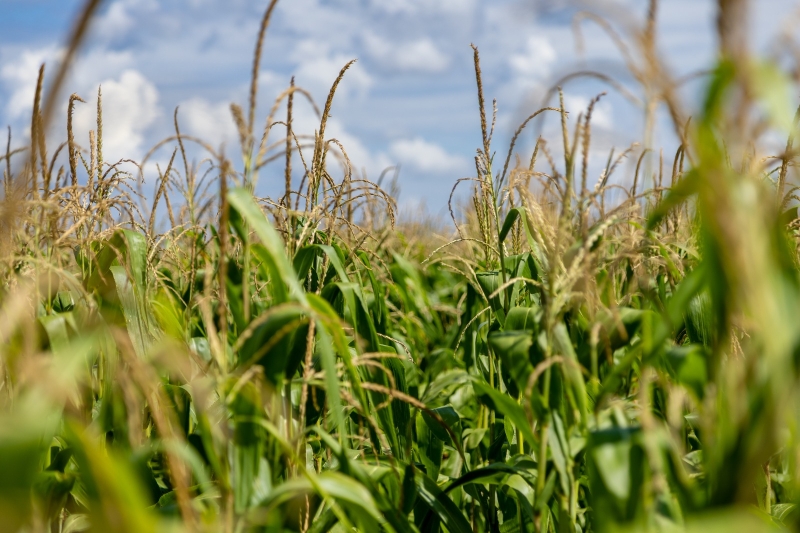
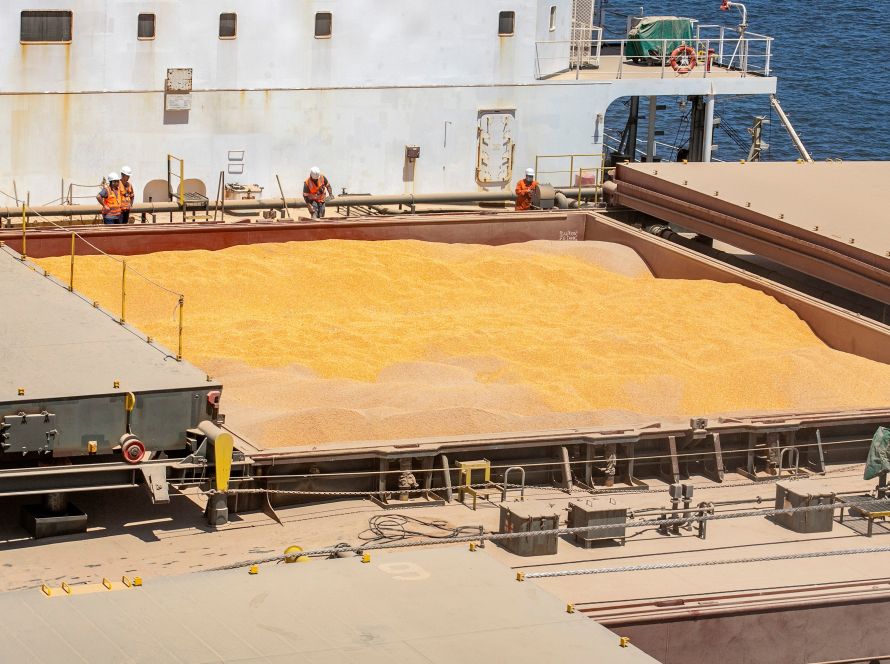
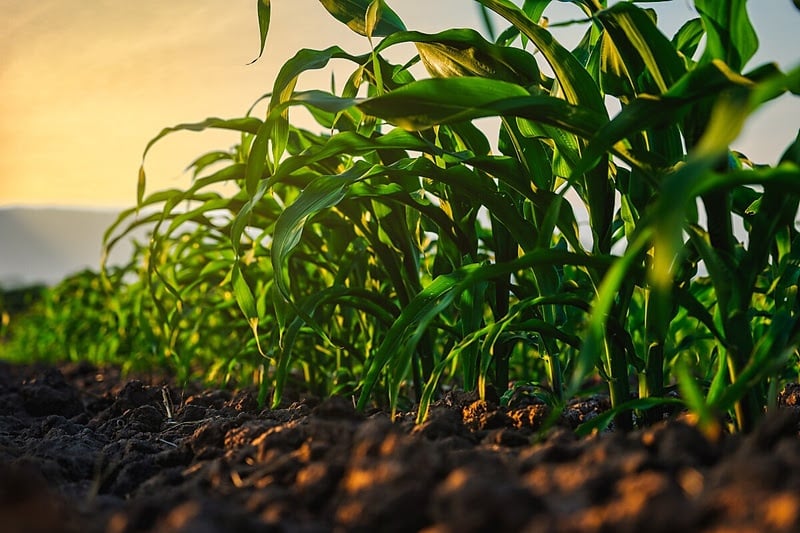
Celebrated this Friday, April 24th, International Corn Day reinforces the importance of one of the most produced and consumed grains in the world. In Mato Grosso, the cereal plays a strategic role not only in food, but also in economic development and the expansion of various production chains. In this scenario, corn has gained even more relevance with the consolidation of the second crop, which currently occupies more than 7 million hectares in the state and contributes to increasing the supply of the grain in Brazil.
According to Luiz Pedro Bier, vice-president of Aprosoja Mato Grosso, the importance of the second corn crop goes beyond production, directly impacting the state's economy and regional development, even in the face of logistical challenges.
“Mato Grosso faces significant challenges when it comes to logistics, especially due to its location far from ports. In this context, the second harvest was fundamental in making rural properties economically viable. It generates wealth and profitability for the state, benefiting the entire society. Part of this wealth returns in the form of taxes, part drives consumption within the farms themselves, and ultimately, it is distributed throughout the economic chain. Furthermore, agriculture provides excellent jobs with good pay, strengthening a productive system that is based on economic, environmental, and social pillars,” he highlighted.
According to the vice-president, corn has ceased to be merely a productive alternative and has come to occupy a strategic position in the Mato Grosso economy.
“The second corn crop is already a well-established practice in Mato Grosso and plays an essential role in the economic sustainability of farms, by diluting fixed costs and ensuring greater productive efficiency. Furthermore, it contributes to sustainable practices that are characteristic of Brazil, since we produce two crops in the same year, in the same area, optimizing land use. Another important point is corn ethanol, produced from this second crop, which represents a renewable energy source. This process also generates protein-rich byproducts used in animal feed, further strengthening livestock farming and the entire production chain in the state,” stated Luiz Pedro Bier.
According to Diego Bertuol, administrative director of Aprosoja MT, the second harvest is also crucial for the advancement of the crop in the state and for national leadership in production.
“The second crop is crucial for the growth of corn in Mato Grosso. The so-called 'safrinha' is, in practice, the largest corn crop in Brazil today. Mato Grosso led this productive revolution. This model brought clear gains, such as efficiency in land use, because we have two crops in the same year, a dilution of soybean costs in these last years of tight margins, and a productive scale that placed the state at the top nationally. But what is most important to say is that, in these more than 7 million hectares that Mato Grosso produces of second-crop corn, this was only possible with technology, management, and a lot of risk that the producer assumed. It's not a simple model. It depends on the climate, planting window, and heavy investment,” says Bertuol.
In addition to increased production, corn has expanded its participation in other segments, adding value within the state itself. The grain is essential for the animal protein chain, and is also gaining prominence in energy generation, with the expansion of corn ethanol plants. According to the Mato Grosso Institute of Agricultural Economics (IMEA), world corn production for the 2025/26 crop year is estimated at 1.29 billion tons, a growth of 5.31% compared to the previous crop year, which highlights the global relevance of the crop and expands opportunities for the productive sector.
According to Diego Bertuol, corn has ceased to be a complementary crop and has become one of the main drivers of the Mato Grosso economy.
“Corn has ceased to be merely a complementary crop and has become one of the pillars of Mato Grosso's economy. Today, it generates value far beyond the farm gate. We are talking about a chain that drives the production of animal protein, such as poultry, swine, and confined cattle. We also have corn ethanol industries, energy generation, and jobs throughout the logistics and processing. Corn transforms agricultural production into regional development, also fixing income in the state, industrializing the interior, and reducing dependence on the export of raw materials,” added the administrative director, Diego Bertuol.
Present in the daily lives of the population, whether in food, meat production, or biofuel generation, corn contributes to the country's food and energy security. On this International Corn Day, Aprosoja Mato Grosso reinforces the importance of valuing the production chain and recognizing the role of rural producers in this process.
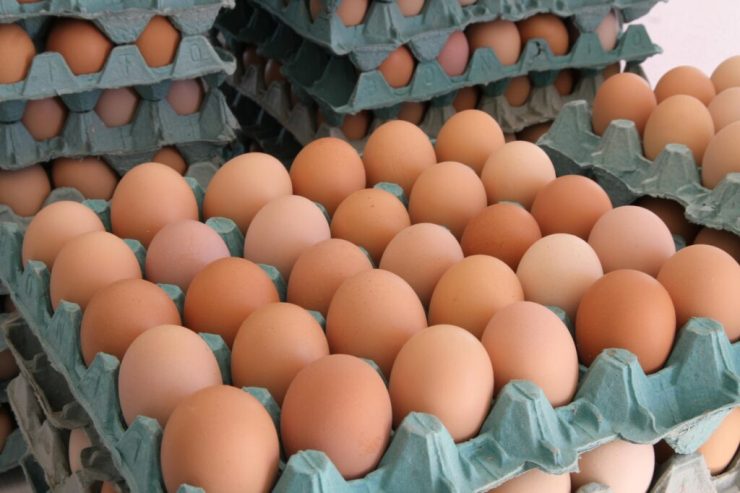
Corn is present in everyone's daily life, even when we don't realize it. It's in the meat we consume, in milk, in eggs, in fuel, and in various processed products. It's more than just a grain. Corn represents food security, energy, and development. And looking ahead, it will be even more strategic, especially in the energy transition that Brazil is leading, in sustainable production, and in adding value within Brazil and, especially, in our state of Mato Grosso. Valuing corn means valuing the rural producer and understanding that water is not just about production; it's the foundation of the economy and the future of the country,” concludes Bertuol.
With a strong presence in the field, corn cultivation continues to drive the economic development of Mato Grosso, ensuring sustainability and new opportunities for the future of agribusiness.