EN
EN  PT_BR
PT_BR 
This Thursday (15), the National Supply Company released the 4th Survey of the 2025/26 Grain Crop, which shows an increase of 0.3% in Brazilian grain production and a growth of 2.6% in the cultivated area compared to the previous agricultural cycle. In this new scenario published, the estimated production of the country's 16 main crops would reach 353.1 million tons, in a projected area of 83.9 million hectares, which represents 987,500 tons more and 2.1 million hectares more than the 2024/25 crop.
The North/Northeast Region, with an estimated production of 55.8 million tons, accounts for 15.81 TP4T of the total, and the production of the Center-South Region, projected at 297.3 million tons, corresponds to 84.21 TP4T of the national production. The Central-West Region stands out as the main producer, with 174.5 million tons, representing 49.41 TP4T of the national total.
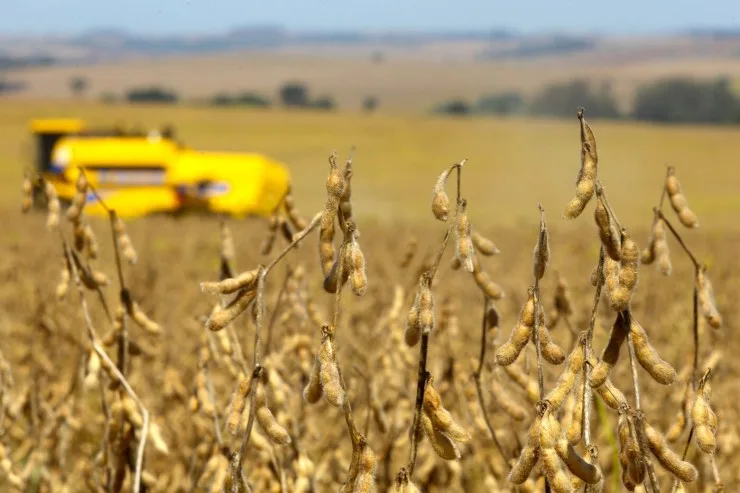
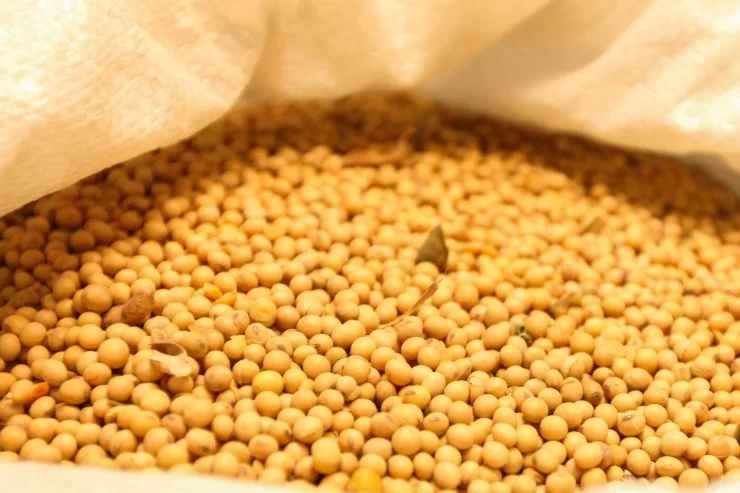
 Soybeans, the country's main crop, reached 176.1 million tons, an amount 2.71 TP4T higher than the previous harvest, meaning an increase of 4.6 million tons of the oilseed. Planting area also increased by 1.3 million hectares (+2.81 TP4T), rising from approximately 47.4 million hectares to 48.7 million hectares. Despite the increase in production and area, grain productivity remained stable, with a slight negative fluctuation of 0.11 TP4T. This decrease is explained by irregular rainfall with volumes below expectations in regions of Mato Grosso do Sul and physical limitations in sandy soils in some areas of Goiás, despite the estimated increase in productivity in Rio Grande do Sul this harvest.
Another important crop, corn, also showed an increase in the total estimated planted area, adding up the three harvests, by 22.7 million hectares: the expectation is for an increase of 41 TP4T, a jump from 21.7 million hectares in 2024/25 to 22.8 thousand hectares in the current harvest, which corresponds to 871.8 thousand hectares more. However, due to climatic events such as storms, hail, low and high temperatures and dry spells in the Southern Region of the country and lack of rain in the initial stage of development in Minas Gerais, influencing the first harvest, the projection is that the cereal will have a decrease of 1.51 TP4T in production and 5.31 TP4T in productivity, considering the three harvests. Regarding production, it goes from 141 million tons in the 2024/25 harvest to around 138.9 million in this harvest, a reduction of 2.23 million tons. As for productivity, the estimate is that it will fall by 343 kg/ha, from 6,457 kg/ha in the last agricultural cycle to 6,114 kg/ha now.

Photos: IDR-PARANÁ
Sorghum, a rapidly expanding crop in Brazil, is another grain expected to see an increase in both planted area and production – gaining 11.31 TP4T more planted area and 9.21 TP4T in the available quantity of the cereal. In the 2024/25 harvest, production reached 6.1 million tons, while in the current agricultural cycle, this amount is expected to reach approximately 6.7 million tons, a difference of 563,500 tons. Similarly, the area is also expected to increase by 184.3 hectares, starting from 1.6 million hectares in the last harvest and reaching 1.8 million hectares in the 2025/26 harvest. Even so, grain productivity is expected to decrease by 1.91 TP4T, dropping from 3,739 kg/ha in the last cycle to 3,670 kg/ha in the current harvest. It is noteworthy that the largest sorghum crop will be grown in the second season, after the soybean harvest.
Driven by demand for vegetable oil and biodiesel, sunflower production is projected to reach 101,900 tons, an increase of 1,500 tons compared to the previous harvest of 100,400 tons – a 1.51 TP4T increase. The area under cultivation for this oilseed is also expected to expand by 3.11 TP4T, increasing by 1,900 hectares – from 61,900 hectares in 2024/25 to 63,800 hectares in 2025/26. However, grain productivity is expected to decrease by 1.51 TP4T due to regular rainfall, periods of good sunshine, and mild temperatures in Rio Grande do Sul. For these reasons, a decrease in grain productivity of 24 kg/ha is projected, which reached 1,622 kg/ha in the previous harvest and is expected to fall to 1,598 kg/ha in the current harvest.
Winter crops
This survey, conducted in December, is aligned with the data presented in the Agricultural Outlook, released in September 2025. The harvest of winter crops for the 2024/25 season has ended. The first estimates for the new grain crop of this season will be released in February, and for now, the 2025 crop is being used as the basis for the 2026 forecast. The harvest of the 2025 crop of the main winter crop planted and the last to be harvested, wheat, has been completed, with production totaling 7.9 million tons, similar to that of 2024. Despite a 20% reduction in the cultivated area compared to the previous crop, the result was positive, since the weather contributed to obtaining good yields.
Market

The new expectation is that exports will reach 41.5 million tons – exceeding the projection of 40 million tons – driven by ample domestic supply and higher international demand for the grain. Furthermore, in the domestic market, consumption is projected to reach 90.56 million tons in 2025, an increase of 7.81 TP4T compared to the previous harvest. This growth is mainly attributed to the increased use of corn in ethanol production, which is gaining increasing importance in the energy sector.
Full information regarding the 4th Grain Crop Survey 2025/26 and market conditions for these products can be found at [link/resource]. Conab Portal.