EN
EN  PT_BR
PT_BR 
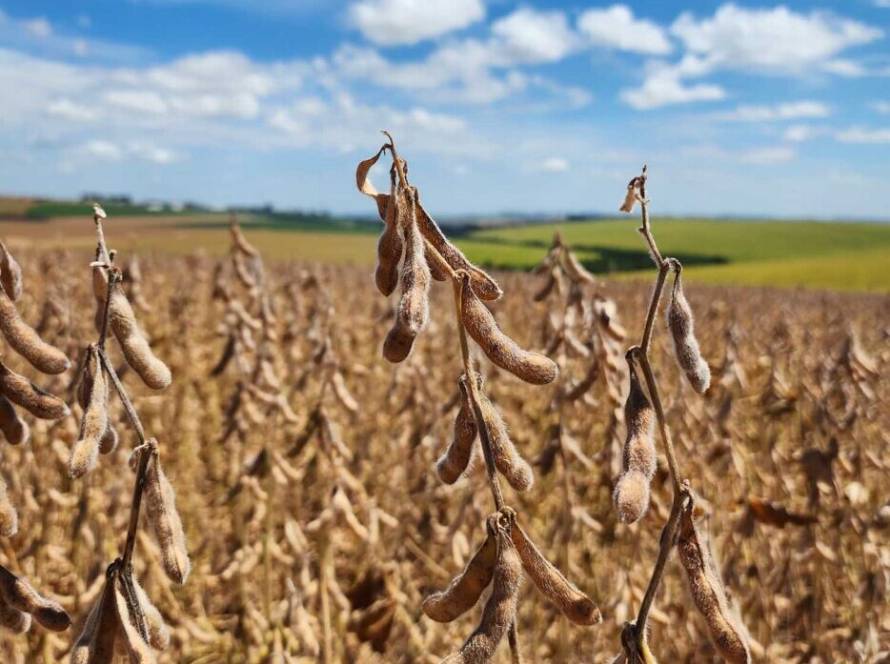
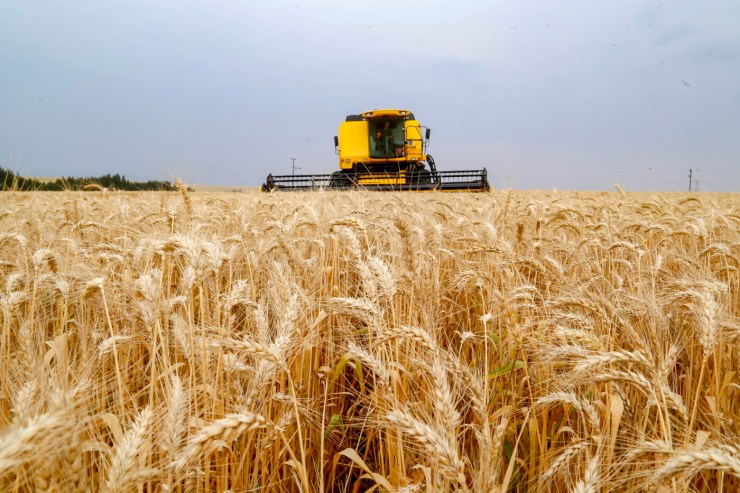
The vegetation index (VI) evolution charts for the main soybean and second-crop corn producing regions continue to indicate favorable crop development conditions in most areas. This positive result is observed even amidst an irregular distribution of rainfall across the country. According to the Agricultural Monitoring Bulletin (BMA), released by the National Supply Company (Conab), between March 1st and 21st, the highest rainfall volumes were recorded in the Brazilian North-Central region. While this rainfall restricted soybean harvesting in some areas, it benefited the development of first and second-crop plantings in the field.

Photo: Fernando Dias/Seapi
According to the Bulletin, in most of the Northern region, rainfall was regular and well distributed. Accumulated rainfall was below average in some areas, but even so, soil water storage remained stable, favoring the development of first and second crop harvests in practically the entire region. In Pará and Tocantins, there were isolated problems due to excessive rainfall during the soybean harvest. In Roraima, however, there was practically no precipitation, a normal situation for the period.
In the Northeast, the heaviest rainfall occurred at the beginning of the month in areas of Maranhão and Piauí, as well as parts of Bahia and Ceará, favoring crop development. In the semi-arid region, rainfall has not yet stabilized, keeping soil moisture low in some areas. In parts of Bahia, irregular rainfall combined with high temperatures caused water scarcity and prevented further progress in planting second-crop corn and beans in areas of the northeastern hinterland.
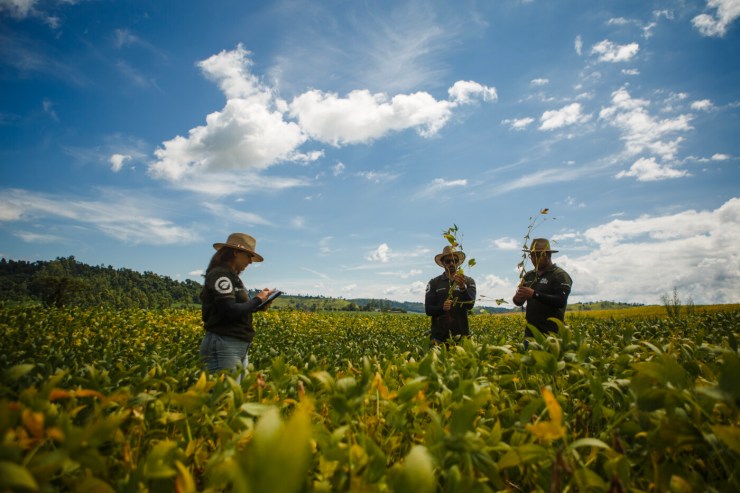
During the period analyzed, Conab also verified that in the Southern region, rainfall was irregular and with low accumulations, resulting in insufficient soil water storage for the development of second-crop corn in areas of Paraná, and soybeans in the fields of Santa Catarina and Rio Grande do Sul.

Photo: Jose Fernando Ogura
The Central-West region, the largest grain-producing area, experienced frequent rainfall in parts of Mato Grosso and Goiás, causing localized disruption to the soybean harvest. In Mato Grosso do Sul, the heaviest rainfall occurred in the second week of the month and was essential for replenishing soil moisture in the southwest of the state, in areas where the second-crop corn was already facing water scarcity.
In the Southeast region, there were good rainfall volumes in the second week of the month in the state of São Paulo and in parts of Minas Gerais and Rio de Janeiro. In the third week, the rains spread over the state of Minas Gerais and Espírito Santo, accumulating good volumes in the region.
Detailed analyses of the influence of climate on crop development in the country's main producing regions are in the March edition of [publication name]. Agricultural Monitoring Bulletin.