EN
EN  PT_BR
PT_BR 
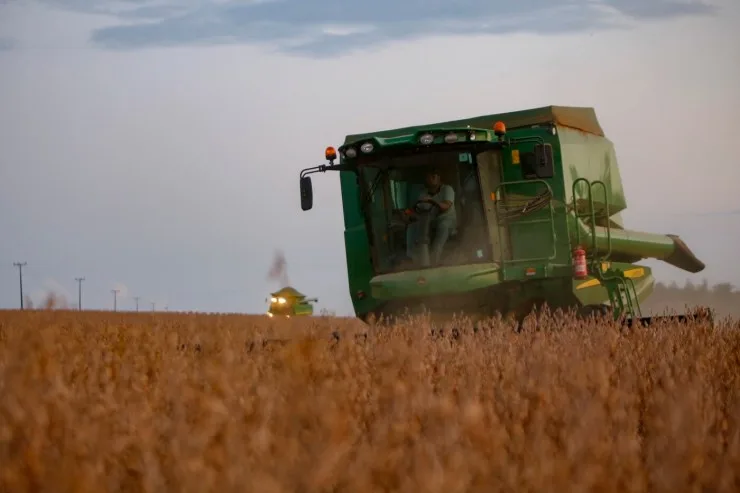
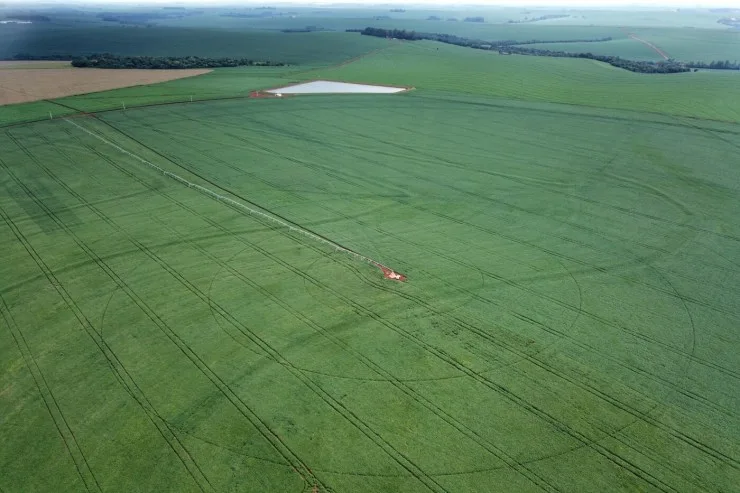
The 2026/27 North American crop season began with projections of increased soybean acreage, comfortable stocks, and favorable weather conditions for the start of planting. At the same time, in Brazil, the worsening terms of trade have slowed fertilizer purchases for the upcoming summer crop.
At the end of March, the United States Department of Agriculture (USDA) released its planting intentions report, based on interviews with producers. The survey indicates that the US is expected to plant 34.3 million hectares of soybeans in the 2026/27 crop year. This number was slightly below market expectations of 34.6 million hectares, but still represents an increase of 41% compared to the 2025/26 crop year.

In addition to the projected area, the USDA also released quarterly grain stock data. US reserves remain at a comfortable level, above that recorded in the same period last year, reinforcing a scenario of more ample supply.
In terms of climate, conditions are also considered positive for the start of planting. Although areas with some level of drought are slightly larger than in the previous year at this time, precipitation maps in the Midwest indicate good rainfall distribution in the coming weeks. The period between April and mid-May, which concentrates planting work, should have adequate rainfall volumes in the Grain Belt. Projections for June and July also point to well-distributed rainfall, which, if confirmed, could favor crop development.
In Brazil, the scenario is one of greater caution in the field of agricultural inputs. According to data from Itaú BBA Agro Consulting, the rise in fertilizer prices, influenced by the conflict in the Middle East and the worsening terms of trade, has slowed the pace of purchases for the 2026/27 crop. By the end of March, approximately 381 TP4T of fertilizers had been acquired, below the five-year average of 511 TP4T.