EN
EN  PT_BR
PT_BR 
The definition of planted area in the United States has once again directed expectations in the global grain market, with a direct impact on prices and commercial strategies. The Planting Intentions report released by the United States Department of Agriculture (USDA) for the 2026/27 crop year points to a significant change in the distribution between soybeans and corn, reflecting the recent price relationship between the commodities.
According to the agency, the area dedicated to soybeans should reach 84.7 million acres, an increase of 3.5 million acres compared to the previous cycle, when 81.2 million acres were sown, a rise of 4.3%.
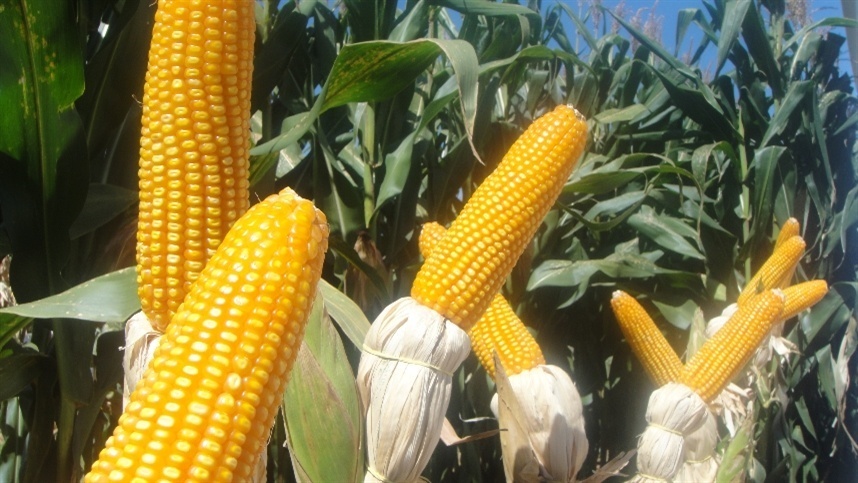
Conversely, corn planting is showing a decline. Projections indicate planting on 95.3 million acres, a reduction of 3.5 million acres compared to the 98.8 million acres recorded in the previous harvest, a drop of 3.51 TP4T. This movement signals a recovery in planted area motivated by more favorable relative margins for soybeans, a factor that tends to influence the overall balance of supply and demand throughout the next cycle.

The price relationship between soybeans and corn, coupled with instability in production costs, especially in energy and fertilizers, has influenced planting decisions in the United States. This environment increases the likelihood of adjustments between the initial projections in the Planting Intentions report and the actual figures that will be released in the Planted Area report, scheduled for the end of June.
For soybeans, potential production is estimated at 120.7 million tons, an increase of 4% compared to the 2025/26 crop. This volume could represent the second largest harvest in the historical series for the United States. Ending stocks are projected at 9.3 million tons, with a stock-to-use ratio close to 8%. At this level, equilibrium prices on the Chicago Board of Trade tend to be between US$10.80 and US$11.00 per bushel.
In the case of corn, production is projected at 405.9 million tons, a decrease of 6% compared to the previous cycle, but still among the largest ever recorded in the country. Ending stocks should reach 52.4 million tons, with a stock-to-use ratio around 13%, suggesting equilibrium prices between US$$ 4.00 and US$$ 4.10 per bushel in Chicago.

Rainfall begins to dictate the pace of the harvest.

Luiz Roque, Coordinator of Grain & Oilseed Market Intelligence at Hedgepoint Global Markets: “Thus, the speculative period regarding the North American climate market is officially open! Fasten your seatbelts!”
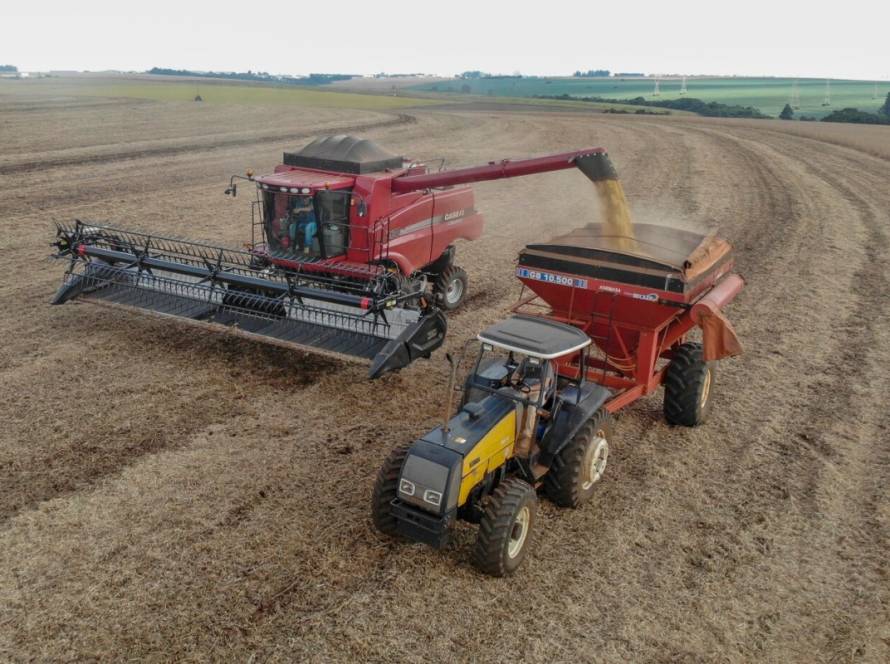
With the start of planting for the new North American crop, the market's focus turns to weather conditions, especially rainfall patterns, a determining factor in the progress of fieldwork and crop development.
Currently, climate maps indicate rainfall within the normal range or above average for the month of April in much of the producing belt, a scenario that tends to favor the progress of planting and adequate germination of the first sown areas, although any excess moisture deserves attention.
For the period between April and June, the forecast indicates predominantly normal rainfall conditions over most producing regions, which supports a favorable environment for crop development. However, areas in the western half of the agricultural belt may register below-average volumes, requiring closer monitoring.
Furthermore, the drought monitor indicates that states in the South and West are experiencing low soil moisture levels at this time, reinforcing the need for more regular rainfall in the coming weeks to ensure adequate conditions for crop development.
Climate market enters decisive phase
Despite a start to the harvest season with mostly favorable conditions, factors such as snow cover in northern regions and potential irregularities in rainfall could influence the pace of fieldwork over the coming months. "Thus, the speculative period regarding the North American weather market is officially open! Buckle up!", states Luiz Roque, Coordinator of Grain & Oilseed Market Intelligence at Hedgepoint Global Markets.