EN
EN  PT_BR
PT_BR 
Corn production in Brazil enters the 2025/26 harvest season under a scenario of increased pressure on costs, climate, and production efficiency. Present in human and animal food, in ethanol production, and in Brazilian exports, the cereal remains strategic for the national agribusiness, but requires increasingly technical management to maintain competitiveness in the field.

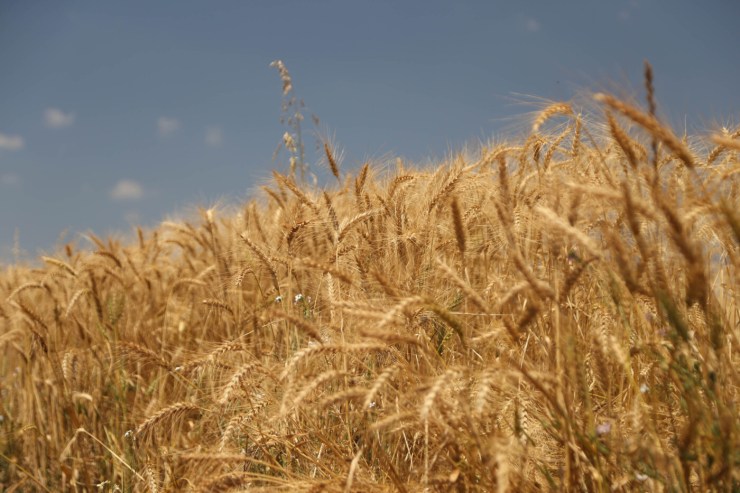
Photo: Aires Mariga
The National Supply Company (Conab) projects a harvest of 138.45 million tons this season, maintaining Brazil among the world's largest corn producers. The second crop, known as the "safrinha," continues to be the main contributor to the national volume, especially in the Central-West, Southeast, and Matopiba regions.
Despite the productive potential, experts warn that crop results begin to be defined long before planting, mainly due to the quality of soil preparation and the efficiency of nutritional management.
Soil gains prominence in crop planning.
With tighter margins and greater climate variability, practices related to soil conservation and structuring have become decisive in crop performance.

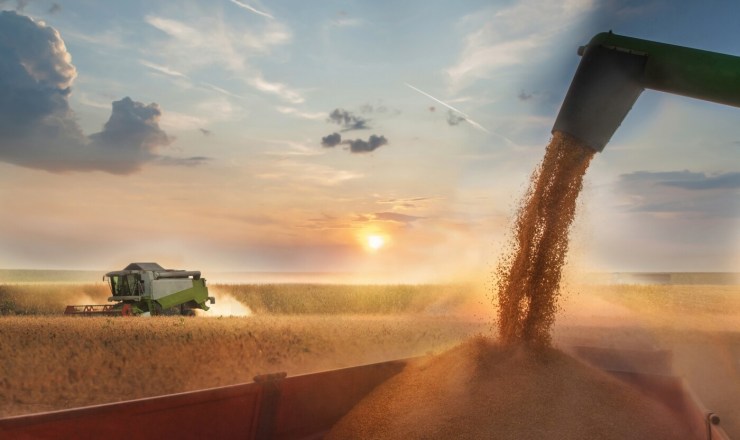
Photo: Shutterstock
Among the main technical recommendations are chemical and physical analysis of the soil, correction of acidity with lime, use of agricultural gypsum, maintenance of mulch, and crop rotation. These measures promote water retention, deeper root development, and better nutrient utilization.
According to agricultural engineer and businessman Leonardo Sodré, proper management reduces losses and increases plant efficiency during crop development. “Less leaching reduces nitrogen losses, which is critical for corn. The Stay Green technology keeps the leaves active for longer, increasing photosynthesis,” he explains.
According to him, anticipating some applications has also become strategic, especially in the off-season crop, where the operational window is shorter. "The Exclusive line offers early application via the ground, with greater compatibility, ideal for a tight application window in the off-season crop," he points out.
Precision fertilization and bio-inputs in the field
International fertilizer price volatility has also altered the behavior of farmers. Instead of increasing the volume applied, there is a growing demand for more efficient applications, guided by fertility maps and plot analysis.

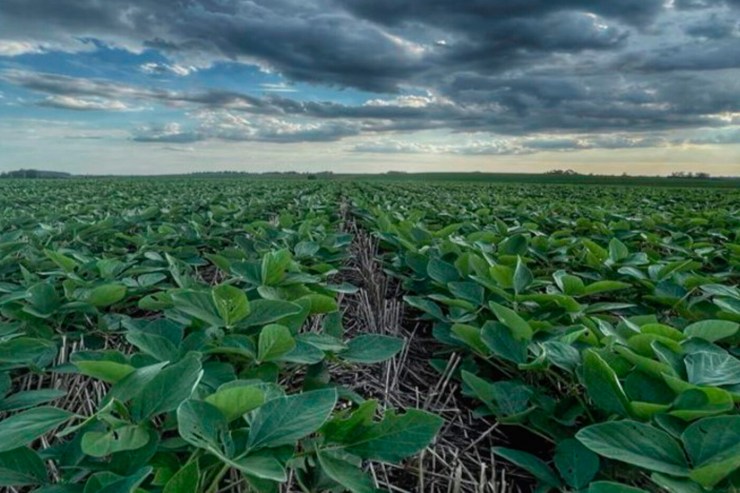
Photo: Disclosure
The practice of splitting nitrogen applications and adopting specific formulas according to the needs of the area are gaining ground on farms of different sizes.
At the same time, bio-inputs are increasingly involved in crop management. Inoculants, biopesticides, growth promoters, and phosphorus solubilizers have become part of strategies aimed at partially reducing dependence on conventional chemical products.
In addition to sustainability, biological products are used to improve initial vigor, nutrient absorption, and tolerance to climatic stresses. Agronomist Fellipe Parreira highlights that environmental factors continue to be one of the main challenges for the biological performance of crops. “Climatic adversities that can affect production include extreme temperatures, excess or scarcity of water in the soil, high salinity, and low pH values. This can reduce the activity of symbiotic bacteria and compromise the efficiency of biological nitrogen fixation,” he mentions.
According to him, the impacts also directly affect the formation of the nodules responsible for biological fixation.
"Rainfall deficits can directly interfere with the nodule formation process, harming crop productivity. Climatic conditions play an important role in the variability of results observed in different growing years," he adds.
Profitability of the second crop
In practice, the 2025/26 harvest shows a producer more attentive to operational and financial planning. Advance purchase of inputs, shared use of machinery, technical support from cooperatives, and climate monitoring through apps are already part of the routine of many farms.
 For small and medium-sized producers, the cost-benefit ratio of technologies and their integration with traditional management practices explain the advancement of these tools in the field.
In the off-season, however, the main point of attention remains the planting window after the soybean harvest. Delays in the schedule increase exposure to droughts, frosts, and productivity losses.
Given this scenario, experts believe that the competitiveness of the crop will increasingly depend on a combination of soil management, efficient nutrition, operational planning, and the adoption of sustainable technologies.